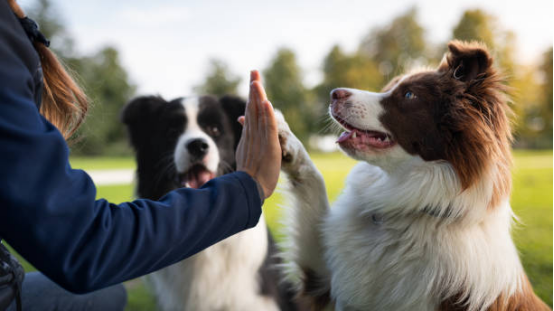
The Enigmatic Border Collie: Exploring Types, Colors, and Ancient Roots
Exploring the Many Faces of the Master Herder: Border Collie Types and Breeds
The Border Collie is universally recognized as one of the most intelligent and agile dog breeds, a testament to its centuries-old lineage as a supreme herding dog. While the term “Border Collie” often conjures a singular image, the breed encompasses a fascinating spectrum of types and variations, each subtly adapted for specific herding environments and tasks. Understanding these distinctions is key to appreciating the full breadth of this remarkable breed’s capabilities and heritage. These variations are not formal breed divisions but rather reflect different historical breeding lines and specialized working styles that have emerged over time.
The core of the Border Collie’s identity lies in its unparalleled working ability. Bred to manage livestock, particularly sheep, with minimal human intervention, they possess an innate understanding of animal behavior and a powerful instinct to control and direct. This drive is often channeled into various dog sports and activities today, showcasing their versatility beyond traditional herding.
The Working Border Collie: The Archetype of Agility and Intelligence
The quintessential Border Collie is the working type, meticulously bred for performance rather than mere aesthetics. These dogs are characterized by their intense focus, boundless energy, and a keen, almost telepathic connection with their handlers. Their physique is typically athletic and lean, built for endurance and quick, precise movements across varied terrain. The “eye,” a piercing stare used to control livestock, is a hallmark of this type. They are not just dogs; they are highly specialized partners in agricultural endeavors, demonstrating an exceptional capacity for problem-solving and independent decision-making.
Show Lines vs. Working Lines: A Tale of Two Herders
A significant distinction within the Border Collie community is the divergence between “show lines” and “working lines.” Working lines are primarily bred for their herding aptitude, emphasizing drive, intelligence, and physical stamina. These dogs often exhibit a more intense, focused demeanor and may have a less refined physical appearance by show standards. Their purpose is functional excellence in the field.
Conversely, show lines, while still retaining the breed’s inherent intelligence and trainability, are bred with conformation to breed standards in mind. They may appear more substantial, with a wider range of coat types and colors, and are generally calmer and more suited to a pet or companion role. While still capable of impressive feats, their primary breeding objective leans towards appearance and temperament suitable for the show ring and family life. This does not diminish their intelligence but rather shifts the emphasis of selection criteria.
Specialized Border Collie Variations: Beyond the Standard
Beyond the broad categories, certain historical or regional variations have emerged, each with its unique strengths. While not always recognized as separate breeds, these lines often represent specialized adaptations. For instance, some lines are renowned for their speed and agility in open fields, while others are adept at handling more stubborn or challenging livestock in confined spaces. These subtle differences are a testament to the breed’s long history of selective breeding for specific tasks.

Border Collies Coat Color Code: An In-depth Analysis of Color Secrets Behind the Genes
The captivating array of coat colors and patterns seen in Border Collies is a direct result of complex genetic interactions. While the classic black and white is most iconic, the breed boasts a stunning diversity, from solid colors to merles, and various combinations thereof. Understanding the genetic basis of these colors provides a deeper appreciation for the breed’s visual richness and the science behind their appearance. Each color variation is determined by specific gene pairs inherited from both parents.
The genetic code for coat color is intricate, involving multiple genes that influence pigment production, distribution, and dilution. These genes interact in predictable ways, allowing breeders to understand and even predict the potential coat colors of offspring. The primary genes responsible for many common canine coat colors are well-studied, and Border Collies exhibit variations of these.
The Black and White: The Iconic Standard
The most recognized Border Collie coloration is black and white. Genetically, this typically involves the B locus (black pigment) and the K locus (dominant black). A dog with at least one dominant black gene (K) will be black, and the presence of the white spotting gene (S) creates the characteristic patches. The distribution of white is influenced by other genes, leading to variations in the amount and placement of white markings, from minimal white on the chest and feet to extensive white patterns.
Red and White: A Warm Alternative
Red (often appearing as liver or brown) and white is another common and beloved coloration. This occurs when the B locus gene is homozygous recessive (bb), meaning the dog lacks the gene for black pigment and instead produces phaeomelanin, the pigment responsible for red and brown hues. The intensity of the red can vary, from a deep liver to a lighter, almost golden shade. Like black and white, the white spotting gene is responsible for the distribution of white markings.
Blue and White: A Diluted Beauty
Blue, a striking slate or grey color, is a dilution of black. This dilution is controlled by the D locus. A dog that is homozygous recessive at the D locus (dd) will have its black pigment diluted to blue. Similarly, red pigment (bb) can be diluted to a lighter, fawn-like color, often referred to as lilac or isabella. These diluted colors are genetically distinct from black and red and require specific gene combinations.
Merle: The Pattern of Complexity
The merle gene (M locus) is responsible for a beautiful, mottled pattern of lighter and darker patches. When a dog inherits one merle gene (Mm), it results in a merle pattern. For example, a blue merle has diluted black pigment in patches, while a red merle has diluted red pigment. It is crucial to note that breeding two merle dogs together (MM) is highly discouraged, as it can lead to severe health issues, including blindness and deafness, due to the extreme dilution of pigment.
Other Colorations and Patterns
Beyond these common variations, Border Collies can also exhibit other colors and patterns, such as:
- Sable: Where the hair shafts are tipped with black, giving a ‘sandy’ or ‘agouti’ appearance. This is controlled by the A locus.
- Brindle: While less common in purebred Border Collies and often a sign of crossbreeding, brindle involves tiger-like stripes and is controlled by the K locus.
- Tri-color: Typically black or red with tan points above the eyes, on the cheeks, and legs, along with white markings. This involves the presence of tan points (at, at) and the white spotting gene (S).
The interplay of these genes creates the diverse and visually stunning palette of Border Collie coats, making each dog a unique genetic masterpiece.

The Mexican Hairless Dog: Favored by the World of the Dead, Three Thousand Years of Reincarnation
The Xoloitzcuintli, commonly known as the Mexican Hairless Dog, is a breed steeped in ancient history and profound cultural significance. Its origins trace back over 3,000 years to pre-Hispanic Mexico, where it was revered not just as a companion but as a sacred animal, deeply entwined with mythology, spirituality, and even the afterlife. The breed’s unique hairless characteristic, coupled with its ancient lineage, sets it apart as one of the world’s most distinctive and historically rich canine breeds.
The Xoloitzcuintli’s name itself is derived from the Nahuatl language: “Xolotl,” the god of lightning, death, and evening star, and “itzcuintli,” meaning dog. This etymology underscores its sacred status and its association with the spiritual realm. The Aztecs and other Mesoamerican civilizations believed the Xoloitzcuintli played a vital role in guiding souls through the underworld, making them indispensable in funerary rituals and spiritual practices.
Ancient Origins and Cultural Reverence
Archaeological evidence, including ancient pottery and stone carvings, indicates the presence of hairless dogs in Mexico dating back to at least 1500 BCE. These dogs were highly valued by the Aztecs, Maya, Toltecs, and other indigenous peoples. They were considered gifts from the gods and were often sacrificed to accompany the deceased on their journey to the underworld. This practice highlights the profound belief in the Xoloitzcuintli’s spiritual connection and its perceived ability to bridge the gap between the living and the dead.
Beyond their spiritual roles, Xoloitzcuintlis served various practical purposes. Their body heat was utilized to warm homes and soothe ailments, leading to their use as “living hot water bottles.” They were also believed to have medicinal properties, with their skin sometimes used to treat certain conditions. Their intelligence and gentle nature made them excellent companions and protectors.
The Hairless Trait: A Genetic Marvel
The most striking feature of the Xoloitzcuintli is its lack of a coat. This hairlessness is caused by a dominant gene mutation. Interestingly, the breed exists in two distinct varieties: hairless and coated. The hairless variety is heterozygous for the hairless gene (carrying one copy of the gene), while the homozygous state (carrying two copies) is not viable and results in severe health problems. The coated variety, which has a full coat, is homozygous recessive for the hairless gene.
Despite the apparent absence of fur, hairless Xolos often have a small amount of hair on their heads, tails, and feet. Their skin is smooth and can range in color from black, slate, liver, to reddish-brown, and even spotted. This unique genetic trait has made the breed a subject of scientific interest, offering insights into the genetics of hairlessness in mammals.
The Xoloitzcuintli Today: A Resurgence of an Ancient Breed
After centuries of near extinction, the Xoloitzcuintli has experienced a revival, particularly in recent decades. Recognized by major kennel clubs, including the American Kennel Club (AKC) and the Fédération Cynologique Internationale (FCI), the breed is gaining popularity worldwide. Today, Xolos are cherished for their unique appearance, loyal nature, and hypoallergenic qualities, making them suitable for individuals with allergies.
They are known for being calm, intelligent, and affectionate, forming strong bonds with their families. While they may appear exotic, their temperament is generally gentle and even-tempered. Modern Xolos continue to embody the ancient spirit of their ancestors, bridging the gap between a storied past and a present-day appreciation for their singular charm and historical significance.

Understanding Border Collie Temperament and Training Needs
The exceptional intelligence and drive that define the Border Collie also translate into specific temperament traits and training requirements. These dogs are not suited for passive owners; they thrive on mental stimulation, physical exercise, and consistent, positive training. Their inherent desire to work and please, when properly channeled, makes them incredibly rewarding partners, but without adequate outlets, their intelligence can manifest as destructive behaviors or anxiety.
A Border Collie’s temperament is characterized by its intense focus, high energy levels, and deep sensitivity. They are often described as “velcro dogs” due to their strong attachment to their owners. This closeness means they can be prone to separation anxiety if left alone for extended periods without proper acclimatization and mental stimulation.
The Need for Mental Stimulation
Border Collies require significant mental engagement to prevent boredom and frustration. This goes beyond simple obedience training. Puzzle toys, scent work, agility training, and learning complex tricks are crucial for keeping their sharp minds occupied. Without sufficient mental challenges, they may resort to behaviors like excessive barking, chewing, or digging.
Consider incorporating activities such as:
- Nose Work: Hiding treats or toys and encouraging them to find them.
- Agility Courses: Building tunnels, jumps, and weave poles for them to navigate.
- Advanced Obedience: Teaching complex commands and sequences.
- Interactive Games: Games like “find the toy” or learning new commands daily.
Physical Exercise: A Daily Requirement
Beyond mental stimulation, Border Collies need ample daily physical exercise. This typically includes long walks, runs, games of fetch, or participating in dog sports. A bored and under-exercised Border Collie can become a handful, exhibiting restlessness and destructive tendencies. The amount of exercise required can vary, but generally, at least an hour or two of vigorous activity per day is recommended.
Effective exercise strategies include:
- Daily Walks/Runs: Brisk walks or runs that challenge their stamina.
- Herding Ball Games: Mimicking their natural herding instincts.
- Swimming: A low-impact but effective way to burn energy.
- Off-Leash Play: In safe, enclosed areas, allowing them to run freely.
Positive Reinforcement Training Methods
Border Collies respond exceptionally well to positive reinforcement training methods. They are eager to please and learn quickly, making them highly trainable. Harsh corrections or punishment can be counterproductive, leading to fear, anxiety, and a breakdown in trust. Instead, rewards-based training, using treats, praise, and play, is most effective.
Key principles for training Border Collies include:
- Consistency: Use the same commands and rules every time.
- Patience: Understand that learning takes time and repetition.
- Short, Frequent Sessions: Keep training sessions brief and engaging to maintain their attention.
- Socialization: Early and ongoing socialization is vital to ensure they are comfortable and well-behaved around other dogs and people.
Their intelligence makes them adept at understanding complex commands, but their sensitivity means that a supportive and encouraging training environment is paramount to fostering a well-adjusted and happy Border Collie.

Health Considerations and Lifespan of Xoloitzcuintli and Border Collies
While both the Xoloitzcuintli and the Border Collie are generally robust breeds, they each have specific health considerations and typical lifespans that potential owners should be aware of. Understanding these factors is crucial for providing the best possible care and ensuring a long, healthy life for these remarkable dogs.
Xoloitzcuintli Health and Lifespan
The Xoloitzcuintli is known for its remarkable longevity and general good health, often living between 12 to 15 years, and sometimes longer. Their hairless nature, while a defining characteristic, does come with certain health implications. Their skin is sensitive to sun exposure and can be prone to sunburn, requiring protection in sunny climates. They can also be susceptible to dental issues, particularly in the hairless variety, which is linked to the same gene responsible for hairlessness. Regular dental check-ups and care are essential.
Other potential health concerns, though less common, include:
- Skin Allergies: Some Xolos may develop skin sensitivities or allergies.
- Luxating Patellas: A condition where the kneecap dislocates.
- Epilepsy: A neurological disorder causing seizures.
Responsible breeding practices, including genetic testing, play a significant role in minimizing the incidence of these conditions within the breed.
Border Collie Health and Lifespan
Border Collies typically have a lifespan of 10 to 17 years, with many living well into their teens. They are generally healthy, but due to their active lifestyle and specific genetic predispositions, certain health issues are more common:
- Hip Dysplasia: A malformation of the hip joint that can lead to arthritis.
- Eye Conditions: Collie Eye Anomaly (CEA), progressive retinal atrophy (PRA), and cataracts can affect vision.
- Epilepsy: Similar to Xolos, Border Collies can also be prone to epilepsy.
- Osteochondritis Dissecans (OCD): A joint disorder affecting large breeds.
- Neuronal Ceroid Lipofuscinosis (NCL): A rare, fatal neurological disease.
Reputable breeders will screen their breeding stock for these conditions to help ensure the health of their puppies. Regular veterinary check-ups, a balanced diet, and appropriate exercise are vital for maintaining the health and well-being of Border Collies.

Frequently Asked Questions (FAQ)
- What are the main differences between Border Collie show lines and working lines?
- Show lines are bred primarily for conformation to breed standards, emphasizing appearance and a temperament suitable for family life and the show ring. Working lines are bred for exceptional herding ability, prioritizing intelligence, drive, stamina, and agility. While both are intelligent, working lines are typically more intense and focused on tasks.
- Are Border Collies good pets for first-time dog owners?
- Generally, Border Collies are not recommended for first-time dog owners. Their high intelligence, intense energy levels, and need for constant mental and physical stimulation require experienced handling and a significant time commitment. They can become anxious or destructive if their needs are not met.
- What is the significance of the Xoloitzcuintli’s hairlessness?
- The hairlessness of the Xoloitzcuintli is due to a dominant gene mutation. This trait has historical and cultural significance, as the breed was revered in ancient Mexico. The hairless variety, while unique, requires specific skin care, such as sun protection. The breed also exists in a coated variety.
- Can Xoloitzcuintli dogs be trained easily?
- Yes, Xoloitzcuintli dogs are known to be intelligent and highly trainable. They are sensitive and respond best to positive reinforcement methods. Their intelligence, combined with their desire to please their owners, makes them capable of learning a variety of commands and tasks.
- What are the most common health issues to watch for in Border Collies?
- Common health issues in Border Collies include hip dysplasia, various eye conditions like Collie Eye Anomaly (CEA) and progressive retinal atrophy (PRA), epilepsy, and Osteochondritis Dissecans (OCD). Responsible breeders screen for these conditions, and regular veterinary care is crucial.
Animal care note: This article is for general education and owner awareness only. It is not veterinary diagnosis, treatment, emergency guidance, nutrition planning, or professional training advice. For illness, injury, diet changes, medications, behavioral risk, or urgent symptoms, consult a licensed veterinarian or qualified animal-care professional.