Can I still keep a cat if I’m allergic to it? 10 cat breeds suitable for allergy sufferers
About 10% of the world’s population is allergic to pets, and the number of people who are allergic to cats is almost twice that of people who are allergic to dogs. Many people give up the idea of raising a cat because they are worried about allergic reactions. In fact, although no cat breed can completely avoid allergies, scientific research and cat-raising experience tell us that some cat breeds are indeed more suitable for people with allergies. This article will introduce in detail 10 cat breeds that are more friendly to people with allergies, as well as scientific maintenance suggestions to help you find a balance between allergies and cat love.
The truth about allergies: What exactly triggers an allergy to cats?
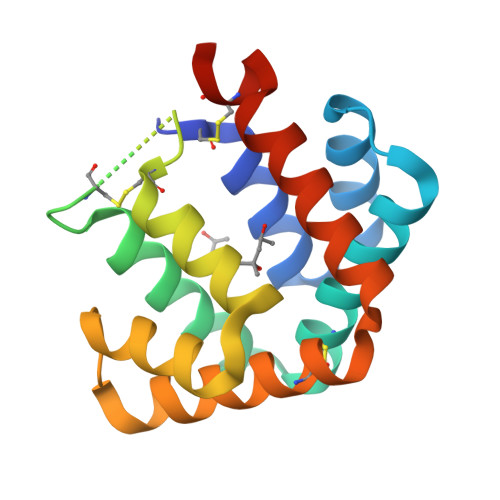
First, we need to figure out why cats cause allergies in some people. Many people mistakenly believe that cat hair itself is the culprit for allergies. In fact, the main cause of allergies is a protein called Fel d 1 contained in cat dander, saliva and urine. This protein can stimulate the human immune system to produce an allergic reaction.
Fel d 1 protein exists in the surface of cats’ skin and saliva. When cats comb themselves, they apply protein-containing saliva to their hair. As the hair falls off or decomposes, these allergens will spread into the air. Therefore, hair is only a carrier of allergens, not a direct allergen.
This explains why even “hairless cats” can cause allergic reactions. Therefore, when choosing a cat, in addition to paying attention to the length and type of hair, it is more important to pay attention to the amount of Fel d 1 protein produced by the cat.
Why Are Some Cats Better for Allergy Sufferers?
Scientific research shows that there are significant differences in the secretion of Fel d 1 protein between different cat breeds. Some cat breeds naturally produce less allergenic proteins, while their hair structure, hair loss and dander distribution also affect the spread of allergens. In addition, the living habits and behaviors of certain cats can also affect the concentration of allergens in the air.
Taking all these factors into consideration, the 10 cat breeds introduced below are considered to be “relatively hypoallergenic” breeds and are suitable for consideration by cat lovers with allergies.
Siamese cat: highly sociable, short-haired and low shedding
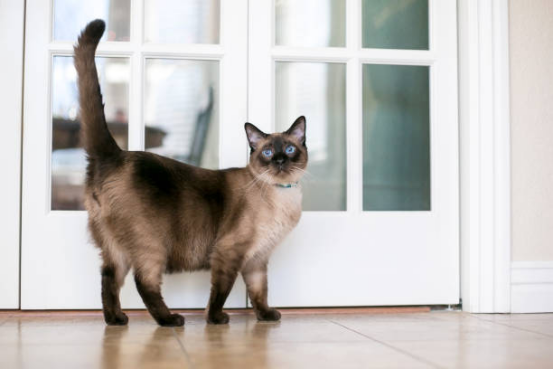
Siamese cats are known for their short, fine hair, which results in relatively low shedding, which helps reduce the spread of allergens. More importantly, Siamese cats secrete less Fel d 1 protein, which results in a lower induction of allergic reactions.
Siamese cats are very talkative, have a distinctive low voice, are outgoing and love to interact with people. They are very attached to family members and are very suitable for owners who like to communicate and socialize.
However, it should be noted that Siamese cats are active and require a lot of attention. If you like a quiet life, you may want to consider other breeds.
Parisian cats: elegant, long-haired, hypoallergenic pets
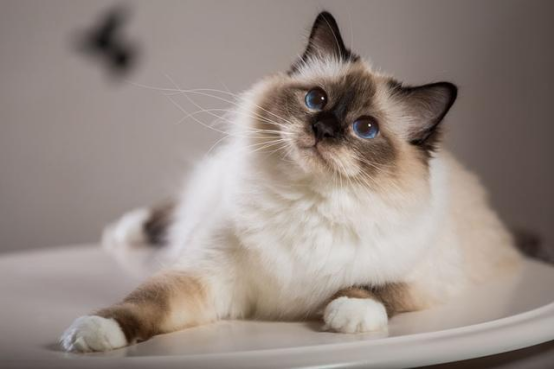
Parisian cats look similar to Siamese cats, but have a layer of soft long hair. However, their hair structure is special, with only a single layer of hair and no undercoat, so they do not shed much, reducing the accumulation of allergens in the environment.
Although long-haired cats are generally considered to be more prone to allergies, the hair characteristics of the Parisian cat break this stereotype. In addition, the Parisian cat is smart and affectionate, and likes to “chat” like Siamese cats, making it very suitable for families who like close interaction.
Oriental Shorthair: Low shedding, short hair, environmentally friendly
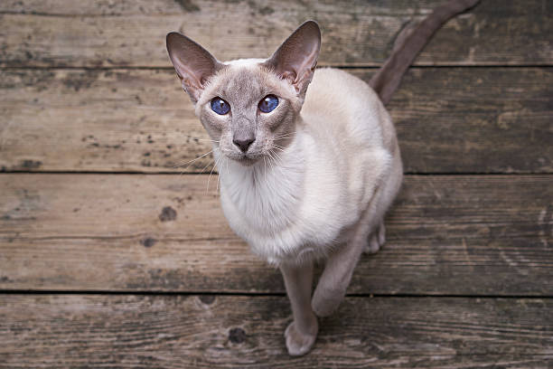
Oriental Shorthair cats have short hair that fits close to the body and shed less, which helps reduce the concentration of allergenic proteins in the air. They are a hybrid of Siamese cats and other short-haired breeds, have a warm personality, and like to interact with their owners.
As a relatively hypoallergenic breed, the Oriental Shorthair offers more options for people with allergies, especially those who like shorthair cats but want to avoid strong allergic reactions.
Javanese cat : a lovable companion with a fine, single coat
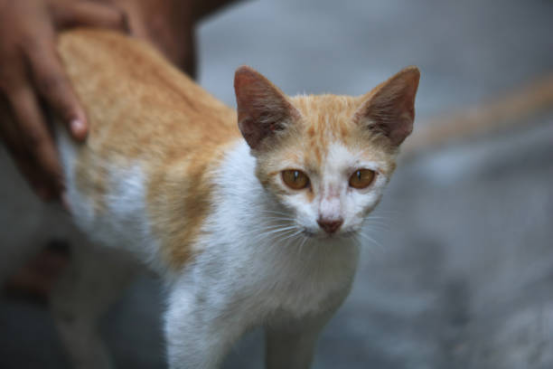
Javanese cats have a very fine, single-layer coat that sheds very little, which reduces the spread of allergenic proteins in the environment. They are also lively and curious, and enjoy participating in their owners’ daily lives.
Javanese cats are a good choice for people with allergies, but they require a lot of play and companionship, so they require an investment of time and energy.
Russian Blue Cat: The Hypoallergenic King of Double Coats
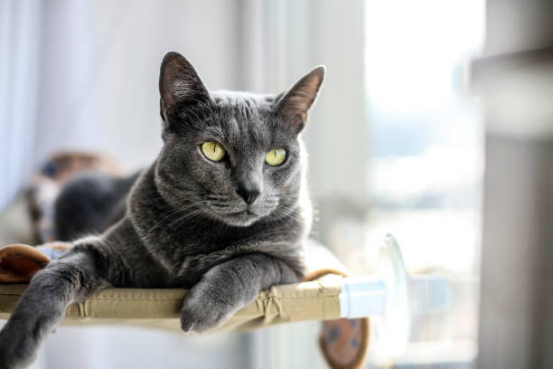
Despite having a double coat, Russian Blue cats have a unique hair arrangement and structure, and shed relatively little, which effectively controls the spread of their allergic proteins.
Russian Blue cats are gentle, intelligent and quiet, suitable for families who like calm cats. Their dense blue-gray fur is also very charming, and they are often called “noble cats”.
Cornish Rex vs. Devon Rex: Curly Coat Reduces Shedding
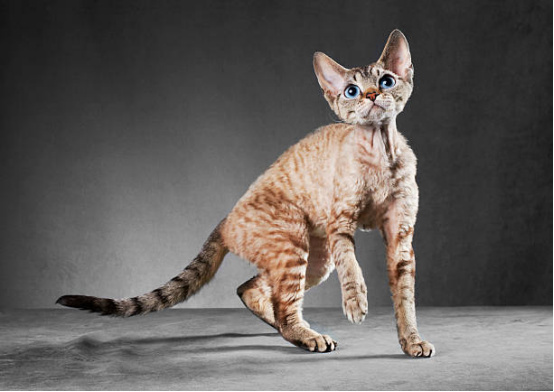
Both cats have distinctive wavy coats, shed less, and produce less dandruff. The Cornish Rex has very short hair, while the Devon Rex is known as an “alien cat” because of its unusual curly coat and large ears.
They all enjoy interacting with people and are suitable for cat owners who seek a unique appearance and have allergies.
The Selkirk Rex: A Gentle, Hypoallergenic Fluffy Cat
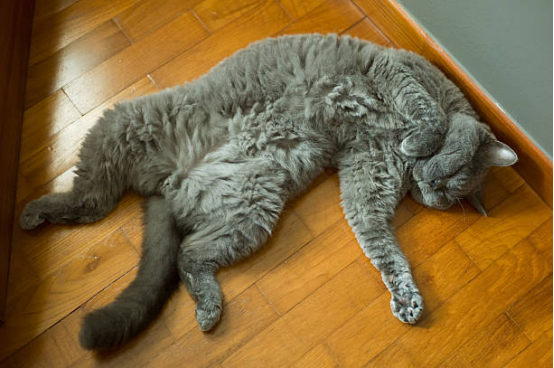
The Selkirk Rex has dense curly fur that doesn’t shed easily, so it’s less likely to cause allergies. They are gentle and like a quiet environment, making them a good choice for family pets.
While the hair may seem abundant, their depilatory properties and lower Fel d 1 secretion make them a friendly option for allergy sufferers.
Siberian cats: adventurers for those with mild allergies
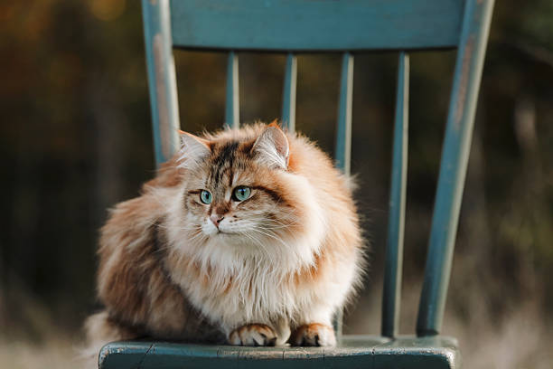
Siberian cats produce less Fel d 1 protein than many other breeds, making them suitable for people with mild allergies. They are active and like to explore their environment, making them curious family companions.
It should be noted that Siberian cats have longer hair and may require more frequent care.
Sphynx cat: unique hairlessness, suitable for allergy sufferers
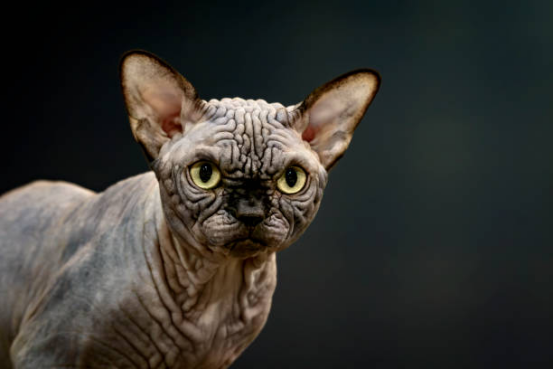
Sphynx cats are called “hairless cats”, but in fact their skin is covered with a layer of very fine and soft hair. This hair structure helps reduce hair loss and dandruff.
The body temperature of Sphynx cats is slightly higher than other cats, so owners need to pay extra attention to keeping them warm. They are warm and expressive, and are very loyal family members.
For allergy sufferers, the Sphynx cat is an attractive choice due to its minimal hair, but still requires regular bathing and skin care to stay healthy.
How to reduce the risk of allergies caused by owning a cat?
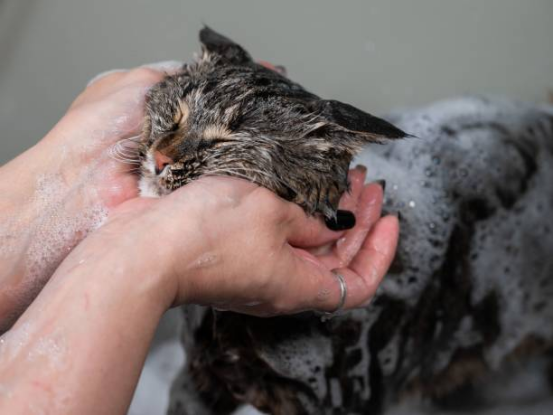
No matter which cat you choose, you can never completely avoid allergic reactions. The following steps can help control and reduce the level of allergens in your home:
Regular Grooming and Bathing : Grooming your cat weekly can remove shed hair and dander, while regular bathing helps control oil and dander accumulation.
Keep your home clean : Use a vacuum cleaner equipped with a HEPA filter to clean, especially floors and furniture, to reduce dust and allergens.
Avoid rugs and heavy curtains : These fabrics tend to collect dander, so easy-to-clean hard floors and simple curtains are recommended.
Create a pet-only area : Avoid cats from entering main resting areas such as bedrooms to reduce exposure to allergens.
Air purification equipment : Install an air purifier to help reduce allergens floating in the air.
Healthy diet and care : Keeping your cat healthy reduces skin problems and helps control allergens.
Personal experience : Before getting a cat, try to get in touch with as many target breeds as possible, observe the severity of your allergic reactions, and make a scientific decision.
Raising a cat is a lifelong responsibility. Choose a companion that suits you.
Having allergies doesn’t mean you have to give up your cat’s company. Understanding the mechanism of allergies, choosing a cat breed appropriately, and taking scientific care methods can help people with allergies enjoy the fun of raising a cat.
Everyone has different sensitivities to allergens. It is recommended to try more and consult before getting a cat to find a cat that suits your lifestyle and health condition.