Can Cats Get Autism? The Ultimate Guide to Atypical Feline Behavior
The Science Behind Feline Behavior and Autism
When observing a cat that exhibits intense focus on repetitive tasks, extreme sensitivity to touch, or a distinct lack of social engagement, many pet owners naturally wonder: can cats get autism? The definitive, scientific answer is no. Autism Spectrum Disorder (ASD) is a uniquely human developmental condition defined by specific diagnostic criteria in the DSM-5, which relates directly to human social communication, cognitive development, and neurological wiring.
However, the question itself is highly valid. Cats possess complex nervous systems and intricate psychological profiles. While they do not have the same prefrontal cortex development as humans—the area of the brain heavily associated with human autism—they can experience neurological and behavioral anomalies that look strikingly similar to ASD. Understanding the “why” behind these behaviors requires shifting our perspective from human psychology to feline ethology.

Common Feline Behaviors That Mimic Autism
Because cats cannot verbally communicate their internal experiences, we must rely on observing their outward actions. Several well-documented feline behaviors closely mirror the traits commonly associated with human autism, such as sensory processing sensitivities, strict adherence to routines, and atypical social interactions.
Sensory Processing Sensitivities
Just as some individuals with autism experience sensory overload, certain cats are hyper-reactive to environmental stimuli. A light stroke on the back might trigger a painful or overwhelming sensation for the cat, causing them to bite, hiss, or flee. They may also react strongly to specific sounds, such as the hum of a refrigerator or the crinkling of a plastic bag, which other cats would easily ignore.
Obsessive-Compulsive Disorder (OCD) in Cats
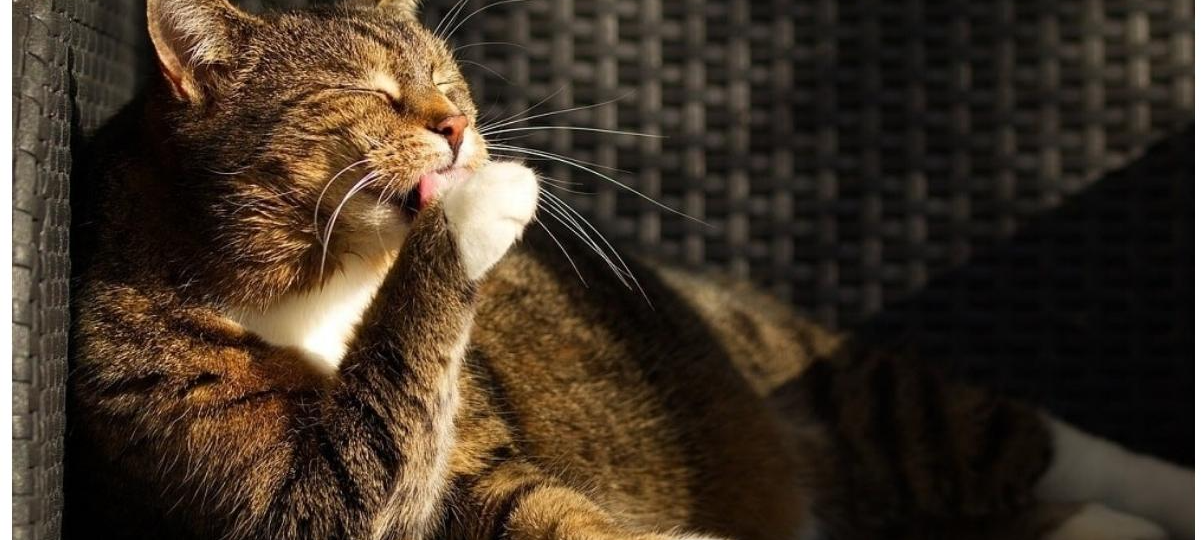
Repetitive, self-soothing behaviors are common in both human ASD and feline OCD. In cats, this often manifests as over-grooming (psychogenic alopecia), excessive vocalization, or pacing. These repetitive actions are usually a coping mechanism for underlying anxiety or stress, allowing the cat to exert control over their immediate environment.
Social Avoidance and Atypical Communication
While cats are generally more independent than dogs, excessive social withdrawal can be a red flag. A cat that consistently hides, avoids eye contact, or refuses to interact with both humans and other pets may be displaying signs of chronic anxiety or cognitive dysfunction, rather than an innate “autistic” personality.

Diagnostic Alternatives: What Is Actually Going On?
If your cat is displaying autism-like symptoms, it is crucial to consult a veterinarian to rule out underlying medical conditions. Many physiological issues can masquerade as behavioral or psychological quirks. Below is a breakdown of what might actually be happening when a cat exhibits atypical behaviors.
| Autism-Like Behavior Observed | Potential Feline Medical or Behavioral Diagnosis |
|---|---|
| Extreme sensitivity to touch; skin rippling | Feline Hyperesthesia Syndrome (FHS) or Arthritis |
| Repetitive pacing, over-grooming, or vocalizing | Feline Obsessive-Compulsive Disorder (OCD) or Anxiety |
| Staring blankly at walls; getting “stuck” in corners | Feline Cognitive Dysfunction (FCD) or Seizure Disorders |
| Sudden aggression or extreme social withdrawal | Chronic pain, Dental disease, or Hyperthyroidism |
Pro Tips for Managing Atypical Cat Behaviors
Once medical issues have been ruled out or addressed, managing a neurodivergent or highly anxious cat requires patience and environmental modification. By creating a tailored, low-stress environment, you can significantly improve your cat’s quality of life.
Expert Environmental Checklist
- Establish Strict Routines: Feed, play, and interact with your cat at the exact same times every day. Predictability drastically reduces feline anxiety.
- Create Safe Zones: Provide multiple high-up resting spots and enclosed hideaways where the cat can retreat when experiencing sensory overload.
- Utilize Pheromone Therapy: Plug-in diffusers that mimic the feline facial pheromone can create a baseline of calm in the household.
- Implement Respectful Boundaries: Never force physical affection. Allow the cat to initiate contact, and learn their specific body language cues that signal overstimulation (e.g., tail flicking, flattened ears).
Frequently Asked Questions (FAQ)
- Can a vet officially diagnose my cat with autism?
- No. Veterinarians do not use the term autism for felines. Instead, they will look for specific conditions like Feline Hyperesthesia Syndrome, anxiety disorders, or cognitive dysfunction that explain the atypical behaviors.
- Why does my cat stare at the wall for hours?
- While it looks like a sign of neurodivergence, staring at walls can be caused by hearing pests inside the walls, partial seizures, or Feline Cognitive Dysfunction (similar to dementia) in older cats.
- Is Feline Hyperesthesia Syndrome (FHS) the same as autism?
- No. FHS is a specific neurological condition characterized by rippling skin, sudden bursts of hyperactivity, and extreme sensitivity to touch along the spine. While it causes sensory overload similar to some autism traits, it is a distinct medical disorder.
- Can I use human anti-anxiety medication for my cat?
- Never give human medication to a cat without a veterinarian’s direct prescription and supervision. Vets can prescribe feline-safe doses of medications like fluoxetine or gabapentin to help manage severe anxiety or OCD.
Animal care note: This article is for general education and owner awareness only. It is not veterinary diagnosis, treatment, emergency guidance, nutrition planning, or professional training advice. For illness, injury, diet changes, medications, behavioral risk, or urgent symptoms, consult a licensed veterinarian or qualified animal-care professional.