The Ultimate Guide to Feline Health & Nutrition: Diet, Illness & Well-being
Understanding Feline Dietary Needs and Nutritional Foundations
Cats are obligate carnivores, a fundamental biological fact that dictates their unique nutritional requirements. Unlike omnivores or herbivores, their digestive systems are specifically adapted to process and thrive on a diet rich in animal-derived protein and fat. This evolutionary specialization means that their bodies require specific nutrients found almost exclusively in animal tissues, and they lack the metabolic pathways to efficiently utilize plant-based nutrients as primary energy sources or building blocks. Understanding these foundational needs is paramount for providing a diet that supports their overall health, energy levels, and disease prevention.
The Obligate Carnivore Diet: What It Truly Means
Being an obligate carnivore implies more than just a preference for meat; it signifies a biological necessity. Cats have a short digestive tract, optimized for rapid digestion of protein and fat, and a limited ability to digest complex carbohydrates. Their metabolism is geared towards gluconeogenesis from protein, meaning they constantly produce glucose from amino acids, even when carbohydrates are available. This is a critical distinction from other mammals and highlights why a high-protein, moderate-fat, and low-carbohydrate diet is ideal.
- High Protein Requirement: Cats require a significantly higher percentage of protein in their diet compared to dogs or humans. This protein provides essential amino acids, such as taurine, which is vital for heart function and vision and cannot be synthesized sufficiently by cats.
- Essential Fatty Acids: Animal fats provide essential fatty acids like arachidonic acid, which cats cannot synthesize from plant-based linoleic acid. These fats are crucial for skin and coat health, inflammation regulation, and cell membrane integrity.
- Vitamin A and Niacin: Unlike many species, cats cannot convert beta-carotene into Vitamin A, nor can they synthesize sufficient niacin (Vitamin B3) from tryptophan. They must obtain these directly from animal sources in their pre-formed active states.
Key Nutrients and Their Roles in Feline Health
Beyond macronutrients, specific micronutrients play indispensable roles in maintaining a cat’s health. A balanced diet ensures these are provided in adequate amounts.
- Taurine: As mentioned, taurine deficiency can lead to serious conditions like dilated cardiomyopathy (a severe heart disease) and central retinal degeneration (blindness). It is abundant in muscle meat, heart, and liver.
- Arginine: Essential for the urea cycle, which detoxifies ammonia. A deficiency can quickly lead to hyperammonemia, which is a life-threatening condition.
- B Vitamins: A full spectrum of B vitamins, including B1 (thiamine), B2 (riboflavin), B3 (niacin), B6 (pyridoxine), and B12 (cobalamin), are critical for energy metabolism, nerve function, and red blood cell production.
- Minerals: Calcium, phosphorus, magnesium, potassium, sodium, iron, zinc, copper, and selenium are all vital for bone health, nerve transmission, muscle function, and enzymatic processes. The balance between calcium and phosphorus is particularly crucial for skeletal health.

Addressing Common Cat Health Issues: The Role of Diet
Many common feline health problems, from urinary tract issues to obesity and dental disease, are profoundly influenced by diet. Recognizing the signs of distress and understanding how dietary choices can mitigate or exacerbate these conditions is a cornerstone of responsible cat ownership. A proactive approach to nutrition can often prevent the onset of serious illnesses or aid significantly in their management.
Urinary Tract Health: Recognizing Pain and Preventing FLUTD
Feline Lower Urinary Tract Disease (FLUTD) is a common and often painful condition encompassing various disorders affecting a cat’s bladder and urethra. Cats are masters at hiding pain, making it challenging for owners to detect early signs of suffering. However, subtle behavioral changes are often the first indicators.
Signs of Urinary Pain or FLUTD:
- Frequent trips to the litter box: Your cat may strain or spend an unusually long time in the litter box.
- Inappropriate urination: Urinating outside the litter box, often in cool, smooth places like bathtubs, sinks, or tile floors.
- Vocalization during urination: Crying or meowing while attempting to urinate.
- Licking the genital area: Excessive grooming of the urinary opening.
- Blood in urine: Visible pink or red tinge, though often microscopic.
- Changes in urine amount: Producing very small amounts of urine, or in severe cases, no urine at all (a medical emergency).
- Lethargy or irritability: General changes in temperament due to discomfort.
Dietary Strategies for Prevention and Management:
The primary dietary intervention for FLUTD, especially for conditions like Feline Idiopathic Cystitis (FIC) and struvite crystal formation, is increasing water intake and optimizing urine pH.
- Increased Water Intake:
- Wet Food: Switching from dry kibble to an exclusively wet food diet significantly boosts water consumption. Wet food typically contains 70-80% water, compared to 5-10% in dry food.
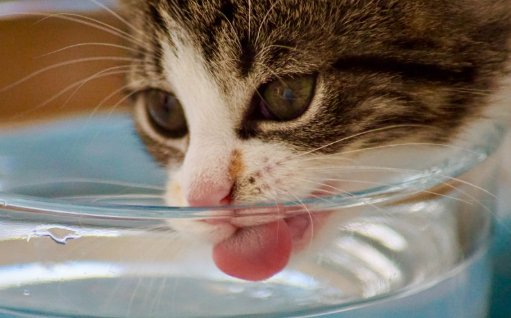
- Water Fountains: Many cats prefer running water, making pet fountains an excellent investment.
- Multiple Water Bowls: Place several bowls around the house, ensuring they are clean and refilled daily.
- Flavoring Water: A tiny splash of tuna juice (in water, not oil) or bone broth can entice some cats to drink more.
- Optimized Urine pH: Certain diets are formulated to acidify or alkalinize urine, depending on the type of crystals (e.g., struvite crystals thrive in alkaline urine, oxalate crystals in acidic urine). Consult a vet for specific recommendations.
- Low Magnesium Diet: For struvite crystal prevention, diets low in magnesium are often recommended.
Obesity: A Growing Epidemic and Its Health Ramifications
Obesity is the most common nutritional disorder in cats, affecting a significant portion of the feline population. It’s not merely an aesthetic concern but a serious health risk that predisposes cats to a myriad of other conditions.
Health Risks Associated with Obesity:
- Diabetes Mellitus: Overweight cats have a much higher risk of developing insulin resistance and Type 2 diabetes.
- Arthritis and Joint Pain: Excess weight puts significant strain on joints, leading to or exacerbating conditions like osteoarthritis.
- Urinary Tract Disease: Obese cats are more prone to FLUTD, potentially due to decreased water intake and reduced activity.
- Liver Disease: Hepatic lipidosis (fatty liver disease) is a life-threatening condition more common in obese cats, especially if they suddenly stop eating.
- Reduced Quality of Life: Obese cats often have lower energy, less mobility, and are less playful.
Dietary and Lifestyle Solutions:
- Portion Control: Accurately measure food portions based on your cat’s ideal weight and activity level, not their current weight. Consult your veterinarian for precise caloric needs.
- High-Protein, Low-Carbohydrate Diet: A diet rich in animal protein helps maintain muscle mass during weight loss and promotes satiety. Low carbohydrates reduce excess energy storage.
- Increased Fiber: Some weight-loss diets incorporate higher fiber to help cats feel full.
- Scheduled Feeding: Instead of free-feeding, offer meals at specific times. This allows for better monitoring of intake and helps regulate metabolism.
- Interactive Play: Encourage regular physical activity through play with toys, laser pointers, and climbing structures.

Debunking Grain-Free Cat Food: Myths, Truths, and Considerations
The “grain-free” pet food trend has surged in popularity, driven by marketing claims suggesting it’s healthier or more natural for cats. However, the science behind these claims is often misunderstood, and the implications for feline health can be complex. It’s crucial to separate marketing hype from scientific evidence to make informed dietary choices for your pet.
The Origins of the Grain-Free Trend and Common Misconceptions
The grain-free movement largely originated from human dietary trends (e.g., gluten-free, paleo) and the misconception that grains are common allergens for pets or are simply “filler” ingredients. This led to widespread adoption in the pet food industry, often with premium pricing.
Common Misconceptions:
- “Grains are fillers”: Grains like corn, wheat, and rice provide digestible carbohydrates, fiber, vitamins, and minerals. They are not inert fillers.
- “Cats can’t digest grains”: While cats are obligate carnivores, they can digest cooked grains in moderation. The issue is often the quantity and quality, not the presence itself.
- “Grains cause allergies”: Food allergies in cats are relatively rare, and when they do occur, they are most commonly to animal proteins (beef, dairy, fish, chicken) rather than grains.
The Truth About Grains in Feline Diets
While a cat’s natural diet in the wild would not include grains, domesticated cats have adapted to some degree. The concern with grains isn’t their mere presence, but rather their proportion and the overall nutritional balance of the diet.
- Digestibility: Properly processed and cooked grains are digestible for cats, providing a source of energy and fiber.
- Nutritional Contribution: Grains contribute essential nutrients. For example, brown rice provides B vitamins and magnesium, while oats offer soluble fiber.
- Fiber Content: Fiber from grains can aid in digestion, regulate blood sugar, and promote satiety, which can be beneficial for weight management.
Potential Concerns with Grain-Free Diets
While grain-free itself isn’t inherently bad, the ingredients used to replace grains can sometimes be problematic, or the overall formulation might be imbalanced. The most significant concern that emerged in recent years was the potential link between “Boutique, Exotic, and Grain-Free” (BEG) diets and dilated cardiomyopathy (DCM) in dogs, though the exact link and implications for cats are still under investigation.
- Legume and Potato Content: Many grain-free foods replace grains with high levels of legumes (peas, lentils, chickpeas) and potatoes/sweet potatoes. These ingredients can be high in carbohydrates and may interfere with the absorption of certain nutrients, potentially affecting taurine levels or other cardiac health markers.
- Taurine Deficiency: While not definitively proven for cats, some research in dogs suggests that certain grain-free formulations, particularly those high in legumes, might impact taurine metabolism, even if the diet contains adequate taurine. This is an area of ongoing scientific scrutiny.
- Nutritional Imbalance: A poorly formulated grain-free diet, like any poorly formulated diet, can lead to nutritional deficiencies or excesses. It’s the overall balance of ingredients that matters, not just the absence of grains.
Conclusion on Grain-Free: The decision to feed a grain-free diet should be based on a cat’s individual needs and veterinary advice, not on marketing claims. A high-quality cat food, whether it contains grains or not, will prioritize animal protein as the primary ingredient and be nutritionally balanced and complete. Always consult with a veterinarian or a board-certified veterinary nutritionist.

Crafting Wholesome Homemade Cat Food Recipes
Preparing homemade food for your cat can be a rewarding way to control ingredients and cater to specific dietary needs or sensitivities. However, it’s a practice that requires meticulous attention to nutritional balance. Simply feeding raw meat or table scraps can lead to severe nutrient deficiencies or excesses, which can be detrimental to a cat’s health over time. A balanced homemade diet must mimic the complexity of a complete commercial diet, providing all essential vitamins, minerals, and macronutrients in the correct proportions.
The Importance of Nutritional Balance in Homemade Diets
The biggest challenge with homemade cat food is ensuring it is nutritionally complete and balanced. Cats have specific and high requirements for certain nutrients, and deficiencies can develop silently over months, leading to serious health problems. It is highly recommended to consult with a board-certified veterinary nutritionist before embarking on a long-term homemade diet plan.
Key Considerations for Balance:
- Protein Source: Needs to be high-quality animal protein (chicken, turkey, beef, lamb, fish).
- Fat Content: Essential for energy and absorption of fat-soluble vitamins. Include a source of essential fatty acids (e.g., fish oil).
- Calcium and Phosphorus Ratio: Crucial for bone health, typically around 1:1 to 1.2:1. Meat alone is high in phosphorus and low in calcium, necessitating a calcium supplement.
- Essential Vitamins & Minerals: Must include a complete vitamin/mineral supplement specifically formulated for cats, or a variety of natural ingredients that provide these nutrients (e.g., liver for Vitamin A, B vitamins; kelp for iodine).
- Taurine Supplementation: Even if using muscle meat, additional taurine is often necessary, especially if cooking, as taurine can be lost during heat processing.
Basic Principles and Sample Ingredients for Balanced Recipes
A typical balanced homemade recipe often involves a combination of muscle meat, organ meat, bone meal or calcium supplement, and a vitamin/mineral blend, sometimes with a small amount of fiber or healthy fats.
General Components of a Homemade Cat Diet:
- Muscle Meat (80-85%): Lean cuts of chicken thigh, beef heart, turkey breast, lamb. Can be raw or lightly cooked.
- Organ Meat (5-10%): Liver (e.g., chicken or beef liver) is crucial for Vitamin A, but in moderation to prevent toxicity. Other organs like kidney can also be included.
- Bone Content or Calcium Supplement (5-10%): Finely ground raw bones (if safely sourced and prepared) or a calcium supplement like calcium carbonate or eggshell powder. This is vital to balance the high phosphorus in meat.
- Essential Fatty Acids: Fish oil (e.g., salmon oil) for Omega-3s (EPA/DHA).
- Vitamin/Mineral Supplement: A specifically formulated cat vitamin and mineral mix to ensure all micronutrient needs are met.
- Taurine: Powdered taurine supplement.
- Water: Ensure adequate hydration, especially if serving a drier consistency.
Example (Consult a Vet Nutritionist for precise ratios):
Basic Homemade Cat Food Base (Example - NOT a complete recipe without vet guidance):
- 2 lbs raw chicken thighs (boneless, skinless)
- 3.2 oz raw chicken liver
- 0.8 oz raw chicken heart
- 200 mg taurine powder
- 2000 mg calcium carbonate (or equivalent bone meal)
- 1000 mg fish oil
- Multivitamin for cats (as directed)
Preparation Steps (General Guideline):
- Finely grind or chop muscle meat, organ meat, and any bone content.
- Mix all ingredients thoroughly in a large bowl.
- Divide into daily portions and freeze. Thaw in the refrigerator before serving.
- Always serve at room temperature.
Safety Precautions:
- Hygiene: Practice strict food safety, especially when handling raw meat, to prevent bacterial contamination (e.g., Salmonella).
- Bone Safety: Never feed cooked bones, as they can splinter. Raw bones must be finely ground.
- Avoid Harmful Ingredients: Steer clear of onions, garlic, chocolate, grapes, raisins, xylitol, and excessive amounts of fish (especially canned tuna for humans, which lacks taurine and can be high in mercury).
- Gradual Transition: Introduce new foods slowly over 7-10 days to avoid digestive upset.

Identifying Your Cat’s Favorite Foods and Dietary Preferences
Cats can be notoriously picky eaters, and what one cat adores, another might turn its nose up at. Understanding your cat’s individual preferences, while still ensuring nutritional completeness, is key to keeping them happy and well-fed. Their preferences can be influenced by texture, flavor, temperature, and even the shape of the food. Observing their eating habits closely can provide valuable clues.
Factors Influencing Feline Food Preferences
Several elements contribute to a cat’s food preferences, some innate and some learned through experience.
- Texture: Cats often have strong preferences for certain textures – paté, shredded, gravy, chunky, crunchy kibble. Some prefer softer foods as they age or if they have dental issues.
- Flavor Profile: While all cats are carnivores, they can prefer specific protein sources (e.g., chicken, fish, turkey, beef). Some are drawn to stronger aromas, others to milder ones.
- Temperature: Many cats prefer food served at room temperature or slightly warmed, as this mimics the temperature of freshly caught prey and enhances aroma. Refrigerated food can be less appealing.
- Early Life Experiences: A cat’s diet during kittenhood can shape its preferences later in life. Exposure to a variety of foods early on can foster a more adventurous palate.
- Bowl Material and Location: Some cats dislike plastic bowls due to potential odors or “whisker fatigue.” Stainless steel or ceramic bowls are often preferred. The location of the food bowl (away from litter boxes, quiet area) also matters.
Strategies for Discovering and Catering to Your Cat’s Palate
Finding the perfect food for your cat may involve some trial and error, but a systematic approach can help. Always make dietary changes gradually to avoid digestive upset.
- Offer Variety (Within Reason): If your cat isn’t prone to digestive issues, offering a rotation of different high-quality wet foods with varying textures and protein sources can help identify favorites and prevent boredom. Avoid changing too frequently, which can cause stress.
- Observe Closely: Pay attention to which foods they finish enthusiastically, which they pick at, and which they ignore. Note the specific ingredients or textures they seem to favor.
- Temperature Adjustment: If serving refrigerated wet food, try warming it slightly in the microwave (ensure no hot spots) or by adding a little warm water.
- Hydration Boosters: For cats that prefer dry food but need more moisture, consider adding water or low-sodium bone broth to their kibble.
- Limited Ingredient Diets: If your cat has sensitivities, a veterinarian might recommend a limited ingredient diet to pinpoint specific triggers. Once triggers are identified, you can experiment with other novel protein sources.
- Avoid “Free-Feeding” if Picky: Leaving food out all day can make cats less enthusiastic about mealtime. Scheduled meals (e.g., twice a day) can encourage them to eat more readily.
- Consult Your Vet: If your cat is consistently refusing food, losing weight, or showing signs of illness, a veterinary check-up is essential to rule out underlying health issues.
Table: Common Cat Food Preferences (Generalizations)
| Preference Factor | Common Feline Choices | Notes |
|---|---|---|
| Protein Source | Chicken, Turkey, Fish (tuna, salmon), Beef, Lamb | Individual variation is high; fish can be highly palatable but should not be the sole protein source due to potential for mercury and thiamine deficiency. |
| Texture (Wet Food) | Pâté, Shredded in gravy, Chunks in gravy | Many cats prefer smooth pâtés or foods with rich gravy. |
| Texture (Dry Food) | Small kibble, Crunchy pieces | Size and crunch can influence acceptance. |
| Temperature | Room temperature or slightly warm | Enhances aroma and palatability. |
| Bowl Type | Ceramic, Stainless steel | Less likely to retain odors or cause whisker fatigue than plastic. |

Holistic Approaches to Feline Well-being and Longevity
Achieving optimal feline health extends beyond just diet; it encompasses a holistic approach that integrates nutrition with environmental enrichment, stress reduction, regular veterinary care, and appropriate exercise. By addressing all facets of a cat’s life, owners can significantly contribute to their longevity and overall quality of life, preventing both physical and behavioral issues.
Beyond the Bowl: Environmental Enrichment and Stress Reduction
A cat’s environment plays a crucial role in its physical and mental health. A stimulating and secure environment can reduce stress, prevent boredom, and encourage natural behaviors.
- Vertical Space: Cats thrive on verticality. Provide cat trees, shelves, and window perches for climbing, observing, and resting safely.
- Scratching Posts: Offer a variety of scratching surfaces (cardboard, sisal, carpet; vertical and horizontal) to satisfy their natural urge to scratch, which maintains claw health and marks territory.
- Interactive Toys: Engage your cat with toys that mimic prey (feather wands, laser pointers, puzzle feeders). Rotate toys to maintain interest.
- Safe Outdoor Access (or “Catio”): If safe outdoor access isn’t possible, consider a “catio” (enclosed outdoor patio) to allow them to experience fresh air and sensory stimulation without risks.
- Litter Box Management: Provide enough litter boxes (rule of thumb: number of cats + 1), keep them meticulously clean, and place them in quiet, accessible locations. Different types of litter can also be offered.
- Routine and Predictability: Cats are creatures of habit. Maintaining a consistent feeding, play, and interaction schedule can reduce anxiety.
- Pheromone Diffusers: For highly anxious cats or multi-cat households, feline pheromone diffusers (e.g., Feliway) can help create a calmer environment.
The Indispensable Role of Regular Veterinary Care
Preventative veterinary care is critical for early detection and management of health issues, often before they become severe. This includes more than just vaccinations.
- Annual Check-ups: Even seemingly healthy cats should have annual veterinary examinations, which include a physical exam, dental check, and often blood work. These can uncover hidden diseases in their early stages.
- Vaccinations: Essential for protecting against common feline diseases like rabies, feline distemper, calicivirus, and rhinotracheitis.
- Parasite Control: Regular deworming and flea/tick prevention are crucial, even for indoor cats.
- Dental Health: Periodontal disease is rampant in cats. Regular dental check-ups, professional cleanings under anesthesia, and at-home dental care (brushing, dental treats) are vital.
- Weight Monitoring: Veterinarians can help establish and monitor a healthy weight plan, especially for overweight or obese cats.
Exercise and Mental Stimulation for a Fulfilling Life
Physical activity and mental engagement are just as important for cats as they are for humans. They help maintain a healthy weight, build muscle, and prevent behavioral problems stemming from boredom.
- Scheduled Play Sessions: Dedicate 10-15 minutes, two or three times a day, to interactive play. This mimics hunting behavior and provides an outlet for their energy.
- Puzzle Feeders: These toys dispense food as your cat interacts with them, turning mealtime into a mental and physical challenge. This slows down eating and provides enrichment.
- Training: Cats can be trained! Teaching simple commands or tricks using positive reinforcement can be a fun way to bond and stimulate their minds.
- Leash Training: For some adventurous cats, leash training can offer supervised outdoor exploration and new sensory experiences.

Conclusion: Nurturing a Healthy and Happy Feline Companion
The journey to ensure a cat’s optimal health and longevity is multifaceted, rooted deeply in understanding their unique biological needs and extending to the comprehensive care provided throughout their lives. From recognizing the foundational requirements of an obligate carnivore diet to navigating the complexities of modern pet food trends, and from preventing common ailments like urinary pain to fostering a stimulating environment, every decision an owner makes contributes to their feline companion’s well-being.
By prioritizing a nutritionally balanced diet—whether high-quality commercial food or carefully formulated homemade meals—and combining it with vigilant observation for signs of distress, regular veterinary check-ups, ample environmental enrichment, and consistent mental and physical stimulation, we equip our cats with the best possible foundation for a long, vibrant, and joyful life. The investment in understanding and catering to these needs is an investment in the profound bond we share with these remarkable animals, ensuring they not only survive but truly thrive under our care.
Frequently Asked Questions (FAQ)
- Q1: How can I tell if my cat is in urinary pain, especially since they hide discomfort so well?
- Cats are indeed stoic, but subtle signs of urinary pain or FLUTD often include frequent trips to the litter box with little to no urine output, straining while urinating, urinating outside the litter box (especially on cool surfaces), excessive licking of the genital area, crying or vocalizing during urination, or blood in the urine. Any of these signs warrant immediate veterinary attention, as urinary blockages can be life-threatening.
- Q2: Is grain-free cat food truly better for my cat’s health, or is it just a marketing trend?
- The belief that grain-free food is inherently superior for cats is largely a marketing trend stemming from human dietary fads. While cats are obligate carnivores, properly processed grains in moderate amounts are digestible and can provide beneficial nutrients and fiber. The primary concern with some grain-free diets lies in the ingredients used to replace grains (e
Animal care note: This article is for general education and owner awareness only. It is not veterinary diagnosis, treatment, emergency guidance, nutrition planning, or professional training advice. For illness, injury, diet changes, medications, behavioral risk, or urgent symptoms, consult a licensed veterinarian or qualified animal-care professional.