The Ultimate Guide to Cats and Babies: Debunking Myths and Ensuring Safety
The arrival of a new baby is a monumental life event, but for cat owners, it often comes with a barrage of unsolicited advice and outdated warnings. For centuries, domestic cats have been the subject of folklore and misinformation, particularly regarding their interactions with infants. From the “breath-stealing” myth to exaggerated fears of zoonotic diseases, these misconceptions can create unnecessary stress for expectant parents.
However, scientific research and modern veterinary behavioral science tell a different story. When managed with preparation and common sense, the bond between a child and a cat can be incredibly beneficial, fostering empathy and even strengthening the child’s immune system. This guide serves as a pillar of truth, deconstructing myths and providing actionable strategies for a harmonious multi-species home.
Debunking the Most Persistent Myths About Cats and Babies
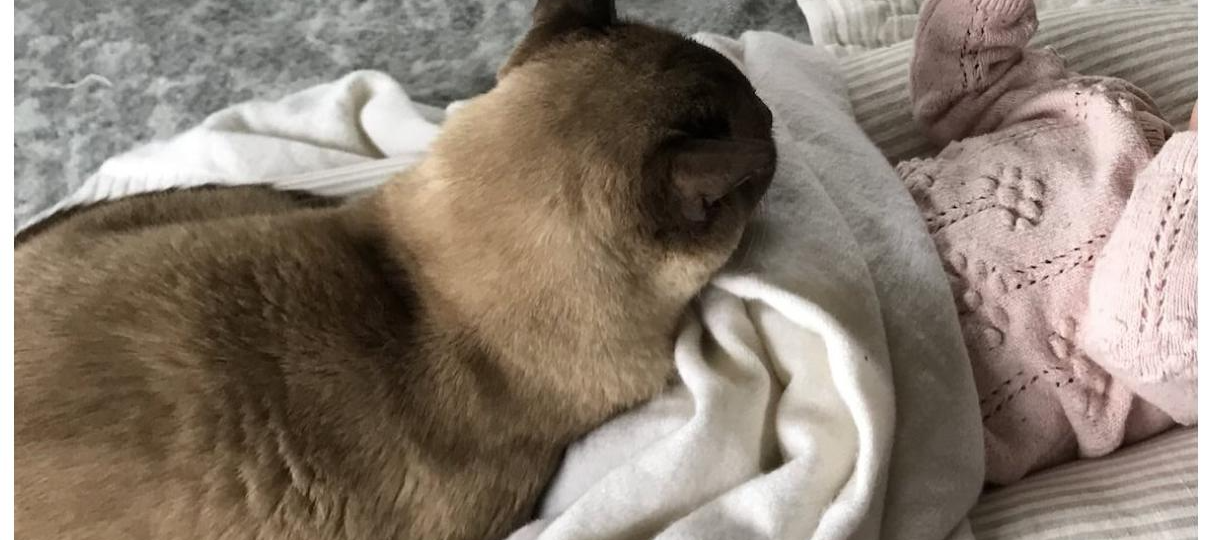
Perhaps the most enduring and frightening myth is that cats will “steal a baby’s breath” or intentionally smother them. This superstition likely originated from a time when SIDS (Sudden Infant Death Syndrome) was poorly understood. Cats are drawn to cribs not by a desire to harm, but by the warmth of the bedding and the milky scent of the infant. While safety precautions are necessary, the idea of a predatory “breath-stealing” feline is biologically impossible.
The Jealousy Narrative
Another common misconception is that cats are inherently “jealous” and will lash out at a new baby to reclaim their territory. In reality, cats are creatures of habit. What humans interpret as jealousy is usually stress caused by sudden changes in routine, new smells, and loud noises. If the cat’s environment is managed correctly, “jealousy” rarely manifests as aggression.
| Common Myth | Scientific Reality |
|---|---|
| Cats steal a baby’s breath. | Cats seek warmth; they have no physiological way or instinct to steal breath. |
| Cats are naturally aggressive toward infants. | Cats are generally cautious or indifferent; aggression is usually a fear response to change. |
| Pregnant women must get rid of their cats. | With proper hygiene and litter box management, the risk of disease is negligible. |

The Science of Toxoplasmosis: Risks and Realities
Toxoplasmosis is a parasitic infection caused by *Toxoplasma gondii*. While it is true that the parasite can be harmful to a developing fetus, the narrative that pregnant women cannot live with cats is an oversimplification. Cats usually only shed the parasite once in their lives for a short period after eating infected raw meat or prey.
How Transmission Actually Occurs
Human infection most commonly occurs through the consumption of undercooked meat or unwashed vegetables, rather than direct contact with a pet cat. To contract it from a cat, a person would essentially need to ingest oocysts from cat feces that have been sitting in a litter box for more than 24 hours.
- Task Delegation: Have another family member clean the litter box daily during the pregnancy.
- Hygiene Protocol: If you must clean the box, wear gloves and wash hands thoroughly immediately afterward.
- Indoor Safety: Keep cats indoors and avoid feeding them raw meat to prevent them from contracting the parasite in the first place.

Strategic Preparation: Introducing Your Cat to a New Baby
Success begins months before the baby arrives. The goal is to make the baby’s presence a “non-event” for the cat by gradually introducing the sights, sounds, and smells associated with an infant.
Scent and Sound Desensitization
Start by playing recordings of baby cries at low volumes, gradually increasing the sound as your cat remains calm. Bring home a blanket the baby has used in the hospital before the baby arrives, allowing the cat to investigate the scent in a positive environment paired with treats.
Environmental Adjustments
If you plan to restrict the cat from the nursery, install a screen door or baby gate months in advance. This allows the cat to see and hear what is happening inside without feeling completely excluded from the family’s activities.
Expert Advice: The “Positive Association” Rule
Never punish your cat for being curious about baby gear. Instead, use “counter-conditioning.” When the cat sniffs the stroller or the crib, give them a high-value treat. You want the cat to associate the baby’s belongings—and eventually the baby itself—with the best things in life.
Essential Safety Protocols for Babies and Cats
While the risks are often exaggerated, safety remains paramount. Supervision is the golden rule of pet and child interactions. Even the most docile cat can react unpredictably if a toddler pulls a tail or corners them.
Creating Safe Retreats
Ensure your cat has vertical space—like cat trees or shelves—where they can escape the reach of a crawling baby. A cat that feels it has an “exit strategy” is far less likely to resort to defensive scratching or biting.
Hygiene and Health Maintenance
Keep your cat’s claws trimmed to prevent accidental scratches. Maintain a strict flea and parasite prevention schedule, as infants have developing immune systems and are more susceptible to skin irritations or secondary infections from pet parasites.
Frequently Asked Questions (FAQ)
- Is it safe for a cat to sleep in the same room as a newborn?
- While having the cat in the room is generally fine, they should not have access to the crib. Use a crib tent or keep the cat out of the bedroom during unsupervised sleep to prevent the cat from accidentally snuggling too close to the baby’s face.
- Should I rehome my cat if they hiss at the baby?
- A hiss is a communication of discomfort, not necessarily a sign of aggression. It means the cat needs more space. Consult a certified feline behaviorist to create a slow re-introduction plan before considering rehoming.
- Can babies be allergic to cats from birth?
- While babies can develop allergies, some studies suggest that early exposure to pets can actually reduce the risk of developing asthma and allergies later in life by priming the immune system.
- How do I handle a cat that starts urinating outside the box after the baby arrives?
- This is a classic sign of stress or a change in territory. Ensure the litter box is in a quiet area where the baby cannot reach, and use pheromone diffusers (like Feliway) to help calm the cat’s anxiety.
- What is the best way to introduce the baby to the cat for the first time?
- Keep the first meeting calm and short. Hold the baby and let the cat sniff the baby’s feet while an assistant gives the cat treats. Never force the interaction; let the cat approach at its own pace.
Animal care note: This article is for general education and owner awareness only. It is not veterinary diagnosis, treatment, emergency guidance, nutrition planning, or professional training advice. For illness, injury, diet changes, medications, behavioral risk, or urgent symptoms, consult a licensed veterinarian or qualified animal-care professional.