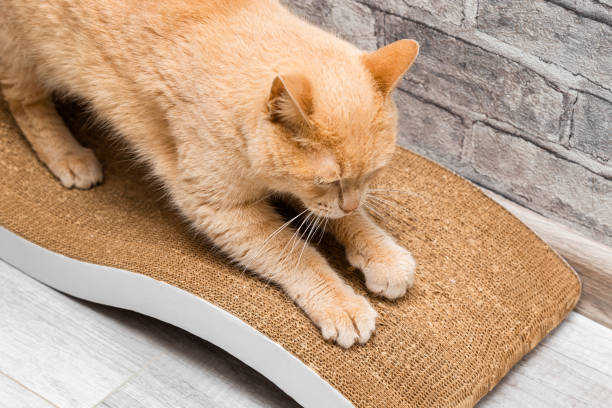
Sisal vs. Cardboard Cat Scratchers: The Ultimate Guide
Scratching is a fundamental, non-negotiable instinct for cats. It’s not a bad habit or a malicious act aimed at destroying your favorite sofa; it’s a vital part of their physical and emotional well-being. This behavior serves multiple purposes: it helps them shed the dead outer layer of their claws, marks their territory with visual signs and scents from glands in their paws, and provides a full-body stretch that keeps their muscles toned. Providing a dedicated and appropriate outlet for this instinct is one of the most important responsibilities of a cat owner. Without a proper scratching surface, cats will inevitably turn to furniture, carpets, and drapes. The market offers a vast array of options, but the two most dominant materials are corrugated cardboard and sisal fabric. This guide provides a comprehensive deep dive into both materials, comparing their features, benefits, and drawbacks to help you choose the perfect solution for your feline friend.
Deep Dive into Corrugated Cardboard Scratchers
Corrugated cardboard scratchers have surged in popularity due to their affordability and the undeniable attraction they hold for cats. These scratchers are made from layers of glued, rippled paper, creating a texture that felines find immensely satisfying. They come in an incredible variety of shapes and sizes, from simple flat pads to intricate, lounge-style designs.
What Makes Cardboard Irresistible to Cats?
The appeal of cardboard is multi-sensory. The texture allows a cat’s claws to sink in easily, providing a satisfying shredding experience that mimics the sensation of tearing into softer bark or other natural materials. The sound it makes—a pleasing ripping noise—can also be highly stimulating. Furthermore, as cats scratch, they leave behind their scent, turning the cardboard pad into a familiar and comforting piece of their territory. Many cardboard scratchers also come infused with catnip, which acts as a powerful initial attractant, encouraging even hesitant cats to investigate and engage with the new object.
The Key Advantages of Cardboard Scratchers
Choosing cardboard comes with a distinct set of benefits for both the cat and the owner. Understanding these advantages is key to determining if it’s the right fit for your household.
- Cost-Effectiveness: Cardboard scratchers are typically very inexpensive. This low price point allows owners to purchase multiple scratchers and place them in various locations around the home, increasing the likelihood that a cat will choose them over furniture.
- Versatility in Design: The malleability of cardboard allows for endless creativity. You can find them as flat mats, angled ramps, cubes, and even elaborate “loungers” that double as a resting spot. This variety helps accommodate cats who prefer to scratch on horizontal or inclined surfaces.
- Lightweight and Portable: Their light weight makes them easy to move around the house to find the perfect spot your cat prefers. This is also advantageous for trying out different locations to redirect scratching behavior.
- Eco-Friendly and Recyclable: Most corrugated cardboard scratchers are made from recycled materials and are fully recyclable themselves once they are worn out, making them a more environmentally conscious choice.
The Inevitable Downsides of Cardboard
Despite their appeal, cardboard scratchers are not without their faults. The primary drawback is their lack of durability. An enthusiastic cat can shred a cardboard scratcher to pieces in a matter of weeks, or sometimes even days. This leads to the second major issue: the mess. As the cardboard is torn apart, it leaves behind a blizzard of tiny paper bits that can spread throughout the house, requiring frequent cleanup. This short lifespan means they need to be replaced regularly, which, over time, can add up in cost.

Exploring the Durability of Sisal Scratching Boards
Sisal is often considered the gold standard for cat scratching surfaces, prized for its exceptional toughness and texture. Sisal is a stiff, natural fiber derived from the Agave sisalana plant. This fiber is woven into a rough fabric or wrapped tightly into a rope, creating a surface that is incredibly resilient and perfect for serious claw maintenance.
Why Sisal Mimics a Cat’s Natural Scratching Environment
The primary appeal of sisal is how closely it mimics the texture of tree bark, a cat’s preferred scratching post in the wild. This rough, unyielding surface provides the perfect resistance for a cat to dig its claws in deep. This action is crucial for effectively removing the dead outer sheaths of their claws, keeping them sharp and healthy. The sturdiness of sisal posts also allows cats to get a full-body stretch, engaging the muscles in their back, shoulders, and legs.
The Long-Term Benefits of Investing in Sisal
While the initial investment in a sisal product is higher than cardboard, it offers significant long-term value and benefits for feline health.
- Exceptional Durability: Sisal is built to last. A high-quality, well-constructed sisal scratching post can withstand years of daily use from even the most aggressive scratchers, making it a far more permanent solution than cardboard.
- Promotes Healthy Claw Shedding: The coarse texture is highly effective at snagging and removing the loose, dead claw husks. This is a critical aspect of claw health that softer surfaces may not address as effectively.
- Variety of Forms: While most commonly associated with vertical posts, sisal is also available in scratching mats, ramps, and integrated into larger cat trees. This allows owners to cater to cats who prefer vertical, horizontal, or angled scratching.
- Less Mess: Unlike cardboard, sisal does not disintegrate into tiny pieces. While it will eventually show wear and fray, it does not create the same level of daily mess, making it a cleaner option for tidy households.
Potential Drawbacks of Sisal Scratchers
The main deterrent for many cat owners is the higher initial cost. A quality sisal post or cat tree can be a significant purchase compared to a cheap cardboard pad. Additionally, many sisal products, especially large posts and trees, can be heavy and bulky, taking up more space and being less portable than their cardboard counterparts. Some cats may also have a texture preference and might initially reject the roughness of sisal if they are accustomed to softer surfaces like carpet or cardboard.

Head-to-Head Comparison: Cardboard vs. Sisal
To make the best decision, it’s helpful to see a direct comparison of the two materials across the most important criteria. Different factors will hold more weight depending on your budget, your cat’s preferences, and your tolerance for cleaning.
A Detailed Breakdown of Key Attributes
The choice between sisal and cardboard often comes down to a trade-off between cost and longevity. Below is a table that summarizes their core differences to provide a clear, at-a-glance overview.
| Feature | Corrugated Cardboard | Sisal Fabric/Rope |
|---|---|---|
| Durability | Low. Wears out quickly and needs frequent replacement. | High. Very resilient and can last for years. |
| Initial Cost | Very low. Highly affordable. | Moderate to high. A bigger upfront investment. |
| Long-Term Cost | Can become expensive over time due to constant replacement. | More cost-effective in the long run due to its long lifespan. |
| Mess & Cleanup | High. Creates a significant amount of paper debris. | Low. Does not disintegrate; may fray over time but is not messy. |
| Texture Appeal | Very high. Satisfyingly shreddable and easy for claws to sink into. | High. Mimics tree bark, excellent for claw health and stretching. |
| Variety | Excellent. Available in many creative shapes, including loungers. | Good. Primarily found on posts, trees, and mats. |
| Eco-Friendliness | Generally high. Often made from and is recyclable. | Good. It is a natural, biodegradable plant fiber. |

Choosing the Right Scratcher for Your Cat and Home
The ultimate goal is to find a scratcher that your cat will use consistently. This often involves some observation and experimentation. Simply buying the most expensive option doesn’t guarantee success; the best choice aligns with your cat’s innate preferences and your household’s practical needs.
Assessing Your Cat’s Scratching Habits
Pay close attention to how and where your cat scratches. Do they stretch upwards against the arm of the sofa? A tall, sturdy vertical sisal post would be a perfect match. Do they tend to scratch the flat surface of a rug or the corner of a carpeted stair? A horizontal cardboard pad or a flat sisal mat would likely be more appealing. Some cats prefer to scratch on an incline, making angled cardboard or sisal ramps an ideal solution. A cat’s preference can be influenced by what they were exposed to as kittens, so observing their current habits is your best clue.
The “Best of Both Worlds” Strategy: Providing Variety
You don’t have to choose just one. In fact, the most effective strategy is often to provide a variety of scratching surfaces. Placing an inexpensive cardboard scratcher in one room and a durable sisal post in another gives your cat options and enriches their environment. This variety caters to their changing moods and provides different textural experiences. Having multiple scratching stations also reinforces the idea that there are many acceptable places to scratch, none of which are your furniture. This approach combines the affordability and immediate appeal of cardboard with the durability and long-term value of sisal, creating a comprehensive scratching solution for your home.
Frequently Asked Questions (FAQ)
- Q1: How do I get my cat to use a new scratching board?
- Place the new scratcher near an area your cat already likes to scratch or in a central part of the house where they spend a lot of time. Sprinkle catnip on it to attract them. You can also use a favorite toy to play with them on and around the scratcher. Positively reinforce any interaction with praise or a treat. Never force their paws onto the scratcher, as this can create a negative association.
- Q2: Is the mess from cardboard scratchers harmful to cats if they ingest it?
- In general, the small paper bits from a cardboard scratcher are non-toxic and not harmful if a small amount is accidentally ingested. Most cats will simply bat the pieces around. However, if you notice your cat is deliberately eating large quantities of cardboard, it’s best to switch to a sisal scratcher and consult your veterinarian to rule out any underlying issues like pica.
- Q3: How often should I replace a cardboard scratching board?
- This depends entirely on your cat’s usage. For a single, moderate scratcher, a board might last a few months. For a multi-cat household or a very enthusiastic scratcher, it might need to be replaced every few weeks. You should replace it once the center is completely shredded and your cat can no longer get a satisfying scratch from the surface.
- Q4: Why is my cat ignoring the new sisal post and still using the furniture?
- There could be several reasons. The post might be too wobbly; cats need a very sturdy base to feel secure when stretching and scratching. It might also be in the wrong location. Try moving it next to the piece of furniture they are targeting. You can also make the furniture less appealing by using double-sided sticky tape or a citrus-scented spray (which cats dislike) on the targeted area, while making the post more attractive with catnip.
- Q5: Can I have both sisal and cardboard scratchers?
- Absolutely! Providing a variety of scratching substrates and orientations (vertical, horizontal, angled) is the best way to enrich your cat’s environment and ensure their scratching needs are fully met. This increases the chances they will use the designated objects and leave your furniture alone. It’s a highly recommended strategy for any cat owner.