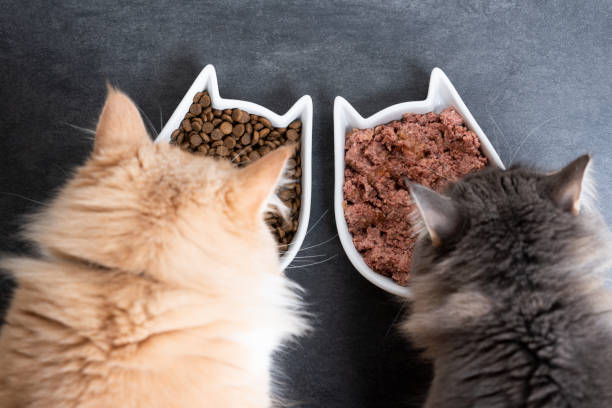
The Ultimate Guide to Homemade Cat Food: Nutrition Across All Life Stages
Understanding Feline Nutritional Requirements
Cats are obligate carnivores, meaning their biological systems are hardwired to derive nutrients primarily from animal-based proteins. Unlike omnivores, cats require specific amino acids—most notably taurine—which are found almost exclusively in muscle meat. When transitioning to a homemade diet, it is critical to understand that a “balanced” meal is not merely about protein, but about the precise ratio of amino acids, essential fatty acids, vitamins, and minerals that support metabolic function at every life stage.
The Importance of Taurine and Arginine
Deficiencies in essential amino acids can lead to severe health complications. Taurine deficiency, for instance, is linked to dilated cardiomyopathy and retinal degeneration. Arginine is equally vital for the urea cycle, which prevents hyperammonemia in cats.
- Muscle Meat: Must constitute the bulk of the diet (70-80%).
- Organ Meats: Essential for Vitamin A and trace minerals; heart and liver are staples.
- Bone/Calcium Sources: Required to balance the phosphorus content found in meat.

Tailoring Recipes for Different Life Stages
The caloric and nutritional density of cat food must evolve as the cat ages. A kitten requires significantly higher energy and calcium levels to support rapid growth and skeletal development, whereas a senior cat may require lower phosphorus levels to protect kidney function and higher-quality, easily digestible proteins to combat muscle atrophy.
Kitten Development Phase
Kittens have small stomachs but high metabolic rates. They require frequent, nutrient-dense meals. Homemade recipes for kittens should include a higher fat percentage and increased calcium-to-phosphorus ratios to ensure bone density.
Senior Cat Maintenance
Senior cats often face challenges like dental disease, decreased metabolic rate, and chronic kidney disease (CKD). Homemade diets for seniors should prioritize high-biological-value protein that is low in inflammatory markers and easily broken down by the digestive system.

Strategies for the Picky Eater
Transitioning a cat to a homemade diet can be met with resistance, especially if they are accustomed to the texture and flavor enhancers of commercial kibble. The “picky eater” phenomenon is often a result of texture preference or a cat’s innate suspiciousness toward new food types. Patience and gradual implementation are the cornerstones of success.
Transition Techniques
- The Topper Method: Start by mixing a small amount of the homemade recipe with their current wet food. Gradually increase the homemade ratio over 7-10 days.
- Temperature Adjustment: Slightly warming the food to mimic the body temperature of prey can stimulate a cat’s appetite.
- Texture Modification: Some cats prefer pate-like consistency, while others prefer chunks. Adjust your preparation (grinding vs. slicing) to see what your cat prefers.

Safety and Storage Protocols
Homemade cat food is highly perishable. Without the preservatives found in commercial canned food, you must implement strict hygiene standards to prevent bacterial contamination such as Salmonella or E. coli. Always source human-grade ingredients and maintain a clean environment during preparation.
Best Practices for Batch Cooking
| Storage Method | Duration | Notes |
|---|---|---|
| Refrigeration | 2-3 Days | Store in airtight glass containers. |
| Freezing | Up to 3 Months | Portion into daily servings before freezing. |
| Thawing | Overnight | Thaw in the fridge, never at room temperature. |
Frequently Asked Questions (FAQ)
- Q1: Can I just feed my cat plain chicken breast?
- No. Plain chicken breast is deficient in calcium, taurine, and essential fatty acids. A homemade diet must be balanced with specific supplements and organ meats to prevent long-term nutritional deficiencies.
- Q2: How do I know if my homemade recipe is balanced?
- Consult with a veterinary nutritionist to analyze your specific recipe. You should use a nutrient-calculating software or follow recipes developed by professionals to ensure your cat meets AAFCO guidelines.
- Q3: Why is my senior cat losing weight on a homemade diet?
- Weight loss in senior cats can indicate an underlying metabolic issue or that the food is not calorie-dense enough. Ensure the fat content is appropriate for their age and consult your vet to rule out hyperthyroidism or kidney issues.
- Q4: Is raw meat safe for my cat?
- While many homemade diets utilize raw ingredients, there is a risk of pathogens. If you are uncomfortable with raw, you can lightly cook the meat (steaming or poaching) to reduce bacterial risks without destroying all heat-sensitive nutrients.
Animal care note: This article is for general education and owner awareness only. It is not veterinary diagnosis, treatment, emergency guidance, nutrition planning, or professional training advice. For illness, injury, diet changes, medications, behavioral risk, or urgent symptoms, consult a licensed veterinarian or qualified animal-care professional.