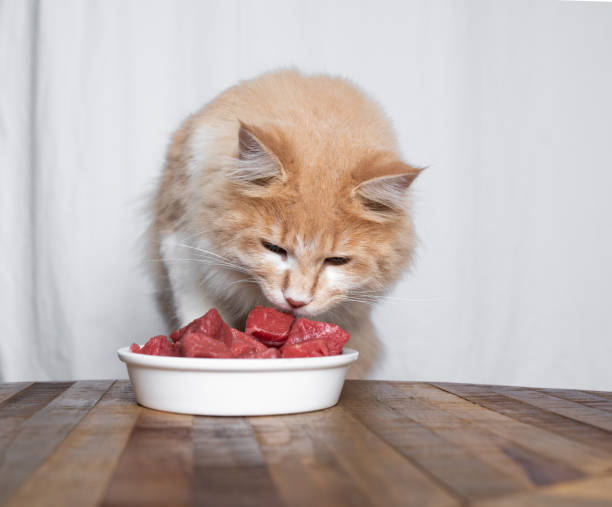
The Ultimate Guide to Homemade Cat Nutrition and Chicken Recipes
Understanding Feline Nutritional Requirements
Cats are obligate carnivores, meaning their biological systems are specifically evolved to derive essential nutrients from animal tissue. Unlike omnivores, cats require specific amino acids—most notably taurine—which are found almost exclusively in meat proteins. When transitioning to homemade cat food, it is imperative to move beyond mere “feeding” and focus on precise macronutrient balancing.
The Role of Protein and Taurine
Protein is the primary energy source for cats. A deficiency in high-quality animal protein can lead to severe health complications, including dilated cardiomyopathy and retinal degeneration. Homemade diets must prioritize:
- Muscle Meat: The foundation of the diet, providing the necessary amino acid profile.
- Organ Meats: Essential for natural Vitamin A and B-complex vitamins.
- Bone Content or Supplements: Crucial for maintaining the correct calcium-to-phosphorus ratio, which is often neglected in home-cooked meals.

Essential Chicken Recipes for Optimal Health
Chicken is an excellent, highly digestible protein source for most cats. When preparing chicken, the focus should be on minimal processing and avoiding toxic additives like onions, garlic, or excessive salt. Below is a framework for a balanced chicken-based meal.
Preparation Guidelines for Chicken
Whether you choose to steam, bake, or poach, ensure the meat is thoroughly cooked but not stripped of its moisture. Retaining natural juices is vital for feline hydration.
| Component | Purpose | Recommended Percentage |
|---|---|---|
| Boneless Chicken Breast/Thigh | Primary Protein | 70-80% |
| Chicken Liver/Hearts | Micronutrients | 10-15% |
| Supplements (Taurine/Calcium) | Bio-balance | 5-10% |

Advanced Strategies for Homemade Cat Cuisine
Palatability and consistency are the biggest hurdles in homemade feline nutrition. If a cat refuses a new diet, it is often due to texture or the absence of natural scent profiles. Advanced home-cooks utilize rotational feeding to ensure a broad spectrum of nutrients and to prevent the development of food allergies.
Managing Transitions and Palatability
- Gradual Introduction: Always mix homemade food with the current diet over a 7-10 day period to avoid digestive distress.
- Temperature Control: Cats prefer food served at body temperature. Slightly warming the meal can release aromatic compounds that trigger the appetite.
- Texture Adjustments: Some cats prefer finely minced textures while others enjoy chunks. Adjust the grind size based on your cat’s preference.
Frequently Asked Questions (FAQ)
- Q1: Is it safe to feed my cat only chicken?
- No. While chicken is an excellent protein, it lacks certain vitamins, minerals, and fatty acids like Omega-3s. A complete diet must include organ meats, calcium sources, and specific supplements to be nutritionally adequate.
- Q2: Can I use cooked bones in my homemade recipes?
- Absolutely not. Cooked bones become brittle and can splinter, causing internal punctures or intestinal blockages. Always use bone meal or pulverized eggshells as a calcium source if not using raw, soft bones.
- Q3: How do I store homemade cat food for maximum freshness?
- Homemade food should be portioned and frozen immediately after cooling. Thaw portions in the refrigerator overnight. Do not leave fresh food out at room temperature for more than 30 minutes to prevent bacterial growth.
- Q4: Why is taurine so critical for my cat?
- Taurine is an essential amino acid that cats cannot synthesize in sufficient quantities. Deficiency leads to irreversible heart and eye damage. Since heat processing can degrade taurine, it is often recommended to add a taurine supplement to cooked meals.
Animal care note: This article is for general education and owner awareness only. It is not veterinary diagnosis, treatment, emergency guidance, nutrition planning, or professional training advice. For illness, injury, diet changes, medications, behavioral risk, or urgent symptoms, consult a licensed veterinarian or qualified animal-care professional.