
Dog breeds and precautions to be cautious when living with cats
Personality Differences Between Dogs and Cats
Dogs and cats differ significantly in personality and behavior. Some dogs are naturally docile and friendly, and can coexist peacefully with cats; however, certain breeds, due to their strong prey instincts, may find sharing a living space with a cat challenging. Before deciding to adopt a new pet, it’s essential to assess your existing pet’s personality and potential interactions.
Factors that influence the coexistence of dogs and cats include breed characteristics, individual personality, early socialization experience, postnatal training, and environmental management. Before adopting a dog, communicating with a professional or animal shelter staff will help you understand each dog’s specific circumstances, including whether they have had contact with cats and how they get along with cats, so you can make a safer choice.
Overview of High-Risk Products
The following dog breeds are generally more difficult to get along with cats. This list is based on general breed characteristics, not necessarily individual dog personalities, as individual dogs can vary greatly.
American Pitbull
The American Pit Bull Terrier, with its muscular build and square head, appears imposing, yet is generally affectionate and enjoys the company of family members. Historically, Pit Bulls were trained for dog fighting, even battling large animals. While dog fighting is illegal in modern times, their natural hunting instincts remain strong. Without adequate socialization and training, Pit Bulls may exhibit chasing or aggressive behavior toward cats. Therefore, these dogs are best suited to families that provide them with plenty of activity and companionship.
Staffordshire Bull Terrier
The Staffordshire Bull Terrier is a well-muscled, relatively docile dog that enjoys being around people and participating in various activities. However, its instinct to chase small animals is still pronounced. Inadequately trained and socialized Staffordshire Bull Terriers may view cats as predatory, so caution is advised when interacting with them.
Greyhound (spiritual dog)
Greyhounds are known for their slender build and high running speed, reaching speeds of around 70 kilometers per hour. While they may appear relaxed and even nap at home, their innate hunting instincts remain. Greyhounds have a strong desire to chase small animals, making them difficult to coexist harmoniously with cats, especially without specialized training.
Schnauzer
Schnauzers, available in miniature, standard, and giant sizes, are known for their intelligence, playfulness, and alertness. While often suitable as guard dogs, their protectiveness and pursuit instincts around small animals can cause cats to feel threatened. Without proper socialization, Schnauzers may become hostile or nervous around cats in the home.
Jack Russell Terrier
Originally bred to hunt foxes, the Jack Russell Terrier is naturally lively and athletic. However, they tend to be less friendly toward cats than they are toward humans, and their strong prey drive may lead them to view cats as targets for pursuit. Even with training, this breed’s hunting instincts must be carefully managed around cats.
Weimaraner
With their silver-gray coat and bright blue eyes, the Weimaraner is intelligent and active. Their origins as a hunter of large game such as deer and wild boar have given them a strong hunting instinct. In a home environment, without proper training or socialization, Weimaraners may develop a compulsion to chase cats.
Australian Cattle Dog
The Australian Cattle Dog (Blue Crane) is naturally energetic and intelligent, originally bred to herd cattle and sheep. Their strong work drive and prey instincts make it difficult for them to coexist peacefully with cats without extensive socialization and training. Unless they are raised with cats from a young age, the potential for conflict is high.
Siberian Husky
Huskies are classic working dogs, known for their endurance and stamina. They are friendly and get along well with other dogs, but they have a strong instinct for chasing small animals. Huskies that haven’t been socialized early on may view cats as prey, so caution is advised when sharing their living space with cats.
Samoyed
Samoyeds are known for their docile, friendly nature and high energy, with their signature smile making them a memorable sight. However, they have a strong hunting instinct and may chase small animals. A poorly socialized or poorly trained Samoyed can be at risk when living with cats.
Beagle
Beagles are gentle and friendly, often bonding with family members. As hounds, their hunting instincts remain, and they may chase cats. Their personality and training will influence their interactions with cats.
Principles of safe coexistence
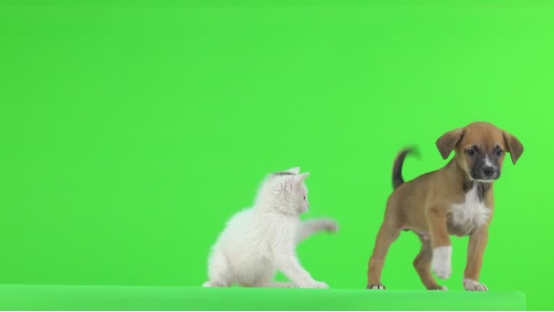
While the breeds mentioned above present potential risks, the success of dog and cat cohabitation is not entirely dependent on breed. The following strategies can help reduce the risk of conflict:
Early socialization training : Exposing dogs to different types of animals starting in puppyhood can help reduce aggressive tendencies toward cats.
Gradual introduction : When first introducing a cat and dog, use isolation and observation, gradually increasing the amount of interaction time and ensuring both parties have escape and refuge spaces.
Positive reinforcement : Use rewards and treats to encourage calm or friendly behavior around cats, rather than punitive tactics.
Individual assessment : Consider each dog’s personality, early experiences, and training, rather than relying solely on breed characteristics.
Professional consultation : Communicate with shelter staff or pet behavior experts before adopting to get personalized advice.
Summarize
The coexistence of dogs and cats depends on many factors, including breed characteristics, individual personality, socialization experience, and owner management skills. Some breeds have strong prey instincts and may struggle to coexist peacefully with cats without adequate training and guidance. However, through scientific methods, gradual introduction, and positive reinforcement, many potential conflicts can be effectively managed.
When considering adding a new pet to your family, fully assessing the individual differences between your existing pet and the potential adopter is key to ensuring a safe and harmonious coexistence. Pet adoption is not only an emotional commitment but also requires rational and professional guidance to create a safe and happy home environment for each animal.