Exotic Shorthair: A comprehensive guide to the gentle and graceful “lazy Persian cat”
introduce
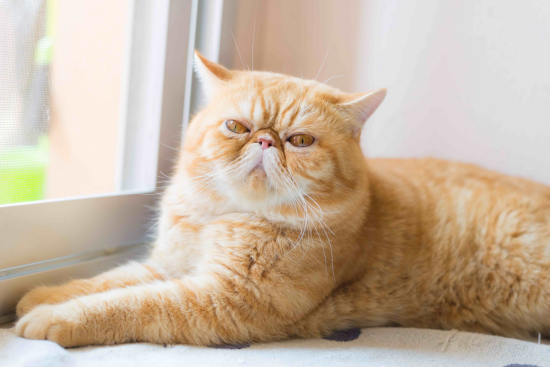
Exotic shorthair cats, often nicknamed “lazy Persian cats”, are favored by cat lovers because they combine the classic appearance of Persian cats with the easy-to-care characteristics of short hair. Their round faces, dense fur, lazy and friendly personalities make countless families regard them as ideal pets. This article will analyze the appearance characteristics, personality habits, health conditions and care points of Exotic Shorthair cats from multiple perspectives to help you fully understand this charming cat breed.
Origin and appearance of the Exotic Shorthair
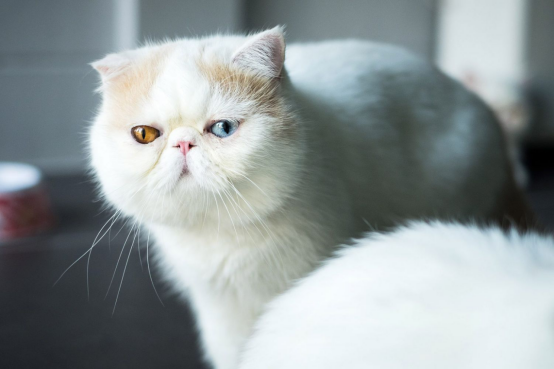
The origin of the Exotic Shorthair can be traced back to the 1950s, when the breeding goal was to create a new breed that had the appearance and docile personality of the Persian cat, but with short hair for easy care. Through the crossbreeding of Persian cats with breeds such as the American Shorthair, the Exotic Shorthair gradually took shape, inheriting the iconic round face, large eyes and wide neck of the Persian cat.
The coat of this cat is double-layered, with soft and shiny outer hair and dense undercoat, giving them a “fluffy pompom” appearance. The coat color is rich and varied, with common colors such as white, blue, cream, silver gray, tortoise shell, and tabby. The eye color often matches the coat color, such as blue, green, and copper, and the pupil is large and round, adding a lot of charm.
Exotic Shorthair cats are easily recognizable for their flat face, low-bridged nose, short, wide nose and large, round eyes, a unique appearance that also brings some respiratory health challenges.
Personality: Gentle, friendly and energetic
Exotic Shorthair cats are known for their gentleness and affection. They love to quietly accompany their owners, like to snuggle up on their laps to enjoy caressing and warmth, showing a soft side that makes people feel sympathetic.
However, they are not always quiet “couch cats”. Exotic Shorthair cats can be very active at the right time, chasing toys, participating in family activities, and especially showing strong curiosity and desire to explore when they are kittens. As adults, their activity level will decrease, but they still maintain their interest in playing.
They are highly attached to their family, love to interact with people, and often follow their owners around the house, showing companionship qualities similar to dogs. Many owners report that Exotic Shorthair cats can sense their owners’ emotions and provide emotional comfort.
Hair Care and Seasonal Hair Removal
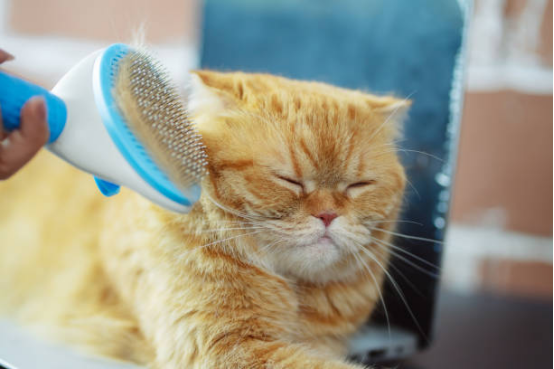
Although Exotic Shorthair cats have shorter hair than Persians, they still have a thick double coat, which means that they will shed significantly during the change of seasons. The shedding peaks in spring and fall, and owners need to comb their hair more frequently to prevent tangles and reduce stray hair in the home.
Generally, it is recommended to comb your dog’s hair at least twice a week, and it can be increased to daily during the shedding season. Combing not only keeps the hair shiny, but also helps promote blood circulation and skin health. In addition, check the skin regularly to prevent skin inflammation caused by tangles.
Compared with Persian cats, Exotic Shorthair cats are easier to care for and are more suitable for families who don’t want to spend a lot of time combing their fur.
Respiratory challenges and heat response
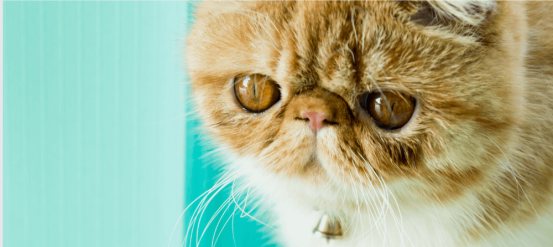
The typical flat face of the Exotic Shorthair cat narrows their breathing passages, increasing the risk of respiratory diseases. This “brachycephalic” deformity makes it difficult for them to dissipate heat, making them more susceptible to problems such as heat stroke due to high temperatures.
In hot weather, Exotic Shorthair cats may show symptoms of rapid breathing, laziness, and reluctance to exercise. Owners should try to avoid exposing them to high temperatures and provide air conditioning, fans, or cooling pads to ensure a cool and comfortable living environment.
In addition, adequate drinking water is also very important. Keeping the water bowl clean and always having fresh water will encourage them to drink more water, which will help maintain body temperature balance and kidney health.
Health Risks: Polycystic Kidney Disease (PKD)
Polycystic Kidney Disease (PKD) is a hereditary disease common in Persian cats and their close relatives. Exotic Shorthair cats, due to their Persian ancestry, are at a significantly higher risk than the general cat breed.
The main manifestation of PKD is the formation of multiple fluid cysts in the kidneys. As time goes by, the cysts compress normal kidney tissue, causing the kidney function to gradually decline. In the late stage, it can cause uremia, which is a serious threat to the cat’s life.
Although there is currently no cure for PKD, early diagnosis can be achieved through genetic testing, and many responsible breeders screen parent cats to prevent the disease from being passed on to offspring. If a cat is diagnosed with the disease, a veterinarian can use medication and dietary management to slow the deterioration of kidney function.
Separation anxiety: Cats can also feel lonely
Many people mistakenly believe that cats are independent and do not need much companionship, but Exotic Shorthair cats are very prone to separation anxiety due to their high dependence on their owners.
When left alone for a long time, they may show destructive behavior, excessive barking, and even abnormal excretion. Prevention methods include establishing a regular schedule, providing enough toys and rich environmental stimulation, and using interactive games to distract attention.
In extreme cases, your veterinarian may recommend medication to help relieve anxiety.
Activities and socializing: a family-friendly companion
Unlike some cat breeds, Exotic Shorthair cats are not good at jumping and climbing, preferring to move on the ground and chasing toy balls and stuffed animals when playing. This behavior makes them ideal companions for the elderly and children, reducing the risk of injury.
They are also suitable for multi-pet households and can coexist peacefully with other cats and dogs. When introducing new pets, it should be done gradually, allowing Exotic Shorthair cats to gradually adapt to each other’s presence and avoid conflicts.
Adulthood: A gentle companion to slow maturation
Exotic Shorthair cats mature slower than most cat breeds, usually taking about two years to fully mature. Although they mature later physically, they show good exploration and learning abilities in the early stages.
This slow maturity makes them more dependent on the company and guidance of their owners in their early years, and the raising process requires more patience and care.
Feeding suggestions and life tips
Diet management : Choose high-quality, nutritionally balanced cat food, pay attention to kidney health, and avoid obesity.
Regular health check-ups : including eye cleaning, respiratory system examination, PKD gene testing, etc.
Environmental enrichment : Provide climbing frames, toys and hiding spaces to stimulate the cat’s desire to explore and exercise.
Climate control : Make sure your home is at a comfortable temperature, avoiding being too hot or too cold.
Emotional companionship : Provide adequate attention and interaction to reduce loneliness and anxiety.
Are you ready to meet this gentle furry friend?
Exotic Shorthair cats not only have charming appearance, but also win the hearts of countless cat lovers with their gentle and friendly personality. They are lazy and lively at the same time, independent and eager for company, making them an ideal pet choice for many families.
If you want a beautiful cat that is relatively easy to keep, the Exotic Shorthair is an excellent breed to consider. Of course, any pet requires patience and responsibility to ensure that they have a healthy, loving home.