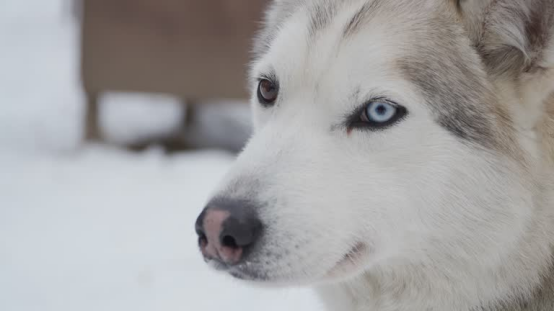
Decoding Dog Behavior and the Moral World of Canines
The Evolutionary Roots of Canine Morality
The concept of morality is often viewed as a strictly human construct, yet extensive scientific observation into canine behavior reveals a complex, instinctual code of conduct that governs how dogs interact with the world. This moral framework is deeply embedded in their evolutionary history. Long before dogs were domesticated to share our homes and lives, their ancestors relied on intricate social structures to survive. Within these early packs, a primal sense of fairness, cooperation, and empathy was not merely a philosophical luxury, but a biological necessity. To understand the moral world of dogs, we must first recognize that their behaviors are driven by a sophisticated blend of genetic programming and learned social adaptations.
Modern behavioral science indicates that dogs possess a foundational sense of right and wrong, largely dictated by their need to maintain social harmony. When a dog displays what we interpret as “guilt” or “apology” after breaking a rule, they are actually demonstrating appeasement behaviors designed to de-escalate tension and restore peace within their social unit. This is a direct translation of wild pack dynamics into the modern domestic environment.
Empathy and the Concept of Fairness
One of the most profound discoveries in canine psychology is the measurable presence of empathy and a rudimentary understanding of inequity. Researchers have conducted numerous trials demonstrating that dogs can recognize when they are being treated unfairly compared to their peers. This sense of equity is a critical pillar of their moral world.
- Inequity Aversion: Studies show that if two dogs are asked to perform the same trick, but only one receives a high-value reward, the unrewarded dog will eventually cease cooperating. This demonstrates a clear, instinctual boundary regarding fairness.
- Emotional Contagion: Dogs exhibit a phenomenon known as emotional contagion, where they mirror the stress or joy of their human companions and fellow canines. This biological empathy allows them to respond to our emotional states with remarkable accuracy.
- Conflict Resolution: After a scuffle or misunderstanding, dogs instinctively engage in reconciliation behaviors such as play-bowing, licking, or sharing space, highlighting an innate drive to repair fractured relationships.
These empathetic responses are not merely trained tricks; they are hardwired survival mechanisms. A pack that cannot resolve internal conflicts or distribute resources equitably is destined to fail. By bringing dogs into our homes, we have effectively become their new pack, and they apply these same ancient moral codes to their interactions with us.

Decoding the Human-Dog Bond: How Dogs View Their Owners
A central question that has captivated pet owners and scientists alike is how dogs truly perceive the humans in their lives. Do they see us as strange, furless dogs, as masters, or as something entirely different? Advanced neuroimaging studies, particularly functional MRI (fMRI) scans of awake, unrestrained dogs, have provided groundbreaking insights into the canine brain. The data conclusively shows that dogs do not merely tolerate humans for food and shelter; they view us as their primary family unit and process human interaction through the same neural pathways associated with maternal love and deep emotional attachment.
When a dog smells its owner, the “reward center” of its brain—the caudate nucleus—lights up more significantly than it does for any other stimulus, including high-value food or the scent of other familiar dogs. This olfactory processing proves that dogs prioritize their human connections on a profound, neurological level.
Attachment Theory and the “Toddler” Dynamic
Psychologists often draw parallels between the human-canine bond and the relationship between a human parent and a toddler. Dogs exhibit what is known in psychology as a “secure base effect.” This means they use their primary human caregiver as a safe haven from which to explore the world, returning to them for comfort when faced with novel or frightening situations.
| Behavioral Marker | Human Toddler Reaction | Domestic Dog Reaction |
|---|---|---|
| Separation Anxiety | Distress when parent leaves the room. | Pacing, vocalization, or distress when owner departs. |
| Stranger Danger | Seeks parent’s physical proximity when meeting strangers. | Retreats behind owner or looks to owner for cues before approaching. |
| Reunion Joy | Elevated heart rate, smiling, reaching out upon return. | Tail wagging, jumping, licking, and vocalizing upon owner’s return. |
| Referential Looking | Looks at parent’s face to gauge reaction to a new object. | Makes direct eye contact with owner to solve a puzzle or assess a threat. |
This table illustrates the striking behavioral overlap between human children and dogs. Unlike wolves, who mature to become entirely independent problem solvers, domestic dogs have evolved to remain in a state of perpetual dependence, actively seeking human guidance. They do not view us as “alpha wolves” to be overthrown, but rather as parental figures and trusted partners.

Instincts vs. Learned Codes of Conduct
The daily life of a domestic dog is a constant balancing act between their primal instincts and the arbitrary rules imposed by human society. What we consider “bad behavior”—such as digging, chewing, or resource guarding—are often perfectly natural canine activities that clash with our domestic expectations. To bridge this gap, dogs must learn and internalize a complex code of conduct. This learning process is heavily reliant on how effectively humans communicate boundaries and rewards.
Understanding the difference between an instinctual drive and a learned behavior is crucial for effective training. Instincts cannot be entirely erased; they must be redirected. For example, a dog bred for herding will naturally want to chase moving objects. A successful code of conduct does not punish the dog for this instinct, but rather channels it into an acceptable outlet, such as a game of fetch or a structured agility course.
The Mechanics of Positive Reinforcement
Scientific interpretation of canine learning strongly advocates for positive reinforcement as the most effective method for establishing a moral code of conduct. When a dog is rewarded for a desired behavior, the neural pathways associated with that action are strengthened. Over time, the dog internalizes these human-imposed rules not out of fear, but because they associate compliance with positive outcomes and social harmony.
- Timing and Consistency: For a dog to associate a behavior with a consequence, the reward (or redirection) must occur within seconds of the action. Consistency across all human family members is required to solidify the code of conduct.
- High-Value Currency: Dogs operate on an economy of resources. Understanding what your specific dog values most—whether it is a food treat, a squeaky toy, or physical affection—is essential for motivating them to learn complex rules.
- Environmental Management: Setting a dog up for success involves managing their environment to prevent instinctual failures. If a dog is instinctually driven to chew, providing appropriate chew toys prevents the “immoral” act of destroying furniture.
By respecting their biological drives and utilizing scientifically backed training methods, we help dogs navigate our complex human world. They learn to suppress certain impulses not because they understand the monetary value of a chewed shoe, but because they value the social cohesion and rewards that come with following the pack’s code of conduct.

Practical Applications for Behavioral Harmony
Synthesizing our understanding of canine morality, instinctual drives, and the profound attachment dogs feel toward us allows for a much more harmonious coexistence. The ultimate goal of decoding dog behavior is to apply these scientific insights to our daily routines, thereby reducing friction and elevating the well-being of both the dog and the owner. This requires a shift in perspective: moving away from an adversarial “dominance” mindset and moving toward a cooperative, communicative partnership.
When we recognize that a dog’s actions are rooted in their interpretation of the world, we become better leaders. We stop viewing a fearful, reactive dog as “stubborn” and start seeing them as an animal seeking safety. This paradigm shift dictates how we handle everything from leash walking to introducing our dogs to new environments.
Advanced Communication Strategies
To truly connect with a dog, humans must learn to speak their language. Dogs are masters of non-verbal communication, constantly reading our micro-expressions, posture, and tone of voice. In return, they offer a wealth of information through their own body language.
By observing the subtle cues of a dog’s physical state, owners can intervene before an instinctual reaction overrides a learned code of conduct. For instance, a tightly closed mouth, whale eye (showing the whites of the eyes), and a stiffened tail are clear indicators of escalating stress. Recognizing these signs allows the owner to remove the dog from the stressor, reinforcing the owner’s role as a reliable, protective parental figure. Conversely, a relaxed, open mouth with a loose, wagging body signifies a state of comfort and receptivity to learning. Mastering this bi-directional communication is the pinnacle of the human-canine relationship.
Frequently Asked Questions (FAQ)
- Do dogs actually feel guilt when they do something wrong?
- No, scientific studies indicate that the “guilty look” (cowering, averting eyes, pinned ears) is actually an appeasement behavior. The dog is reacting to the owner’s current angry tone or body language, attempting to de-escalate the perceived threat, rather than expressing complex cognitive guilt over a past action.
- How do dogs choose their “favorite” person in a household?
- Dogs typically bond most strongly with the person who provides the most consistent positive reinforcement, clear communication, and quality time. While feeding is a factor, dogs often prioritize the human who engages in play, training, and offers a secure emotional base, aligning with attachment theory.
- Can a dog’s instinctual behavior be completely trained out of them?
- Instincts, such as a high prey drive or herding instinct, are genetically hardwired and cannot be entirely erased. However, they can be successfully managed and redirected through consistent training, providing the dog with an appropriate, sanctioned outlet for their natural biological urges.
- Why does my dog follow me everywhere, even to the bathroom?
- This behavior stems from their pack mentality and the “secure base effect.” Your dog views you as their primary source of safety and social interaction. Following you is a way to monitor the pack’s movements, ensure their own security, and maximize opportunities for bonding and resources.
- Do dogs understand the concept of fairness?
- Yes, research shows dogs possess a basic understanding of inequity. If they observe another dog receiving a better reward for the same task, they will often become frustrated and stop cooperating. This highlights an evolutionary moral code necessary for maintaining harmony within a social group.
Animal care note: This article is for general education and owner awareness only. It is not veterinary diagnosis, treatment, emergency guidance, nutrition planning, or professional training advice. For illness, injury, diet changes, medications, behavioral risk, or urgent symptoms, consult a licensed veterinarian or qualified animal-care professional.