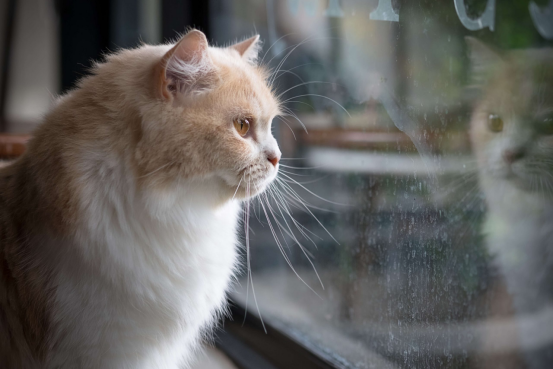
Decoding Feline Behavior: Loneliness, Purring, and Vision
Do Cats Feel Lonely When Left Alone?
Contrary to the long-standing myth that cats are entirely solitary creatures who thrive on independence, modern ethology suggests that domestic cats are social animals capable of forming deep, meaningful bonds with their human companions. Understanding whether a cat feels lonely requires looking beyond mere presence and evaluating the quality of social interaction.
Signs of Feline Loneliness
- Behavioral Changes: Increased vocalization, such as excessive meowing or howling, often signals distress when an owner leaves.
- Destructive Habits: Scratching furniture or urinating outside the litter box can be manifestations of separation-related anxiety.
- Clinginess: A cat that follows you from room to room upon your return may be compensating for the lack of social stimulation during your absence.

The Science and Meaning of the Purring Sound
The purr is perhaps the most enigmatic sound in the animal kingdom. While commonly associated with contentment, it is a multi-faceted tool used for communication and self-regulation. Cats produce this low-frequency sound through the rhythmic contraction of their laryngeal and diaphragmatic muscles.
Why Do Cats Purr?
The functionality of the purr extends far beyond simple happiness. It serves as a biological mechanism for healing and stress management.
- Self-Soothing: Cats often purr when they are injured or frightened to calm their own nervous system.
- Communication: Kittens purr to signal their location and well-being to their mothers.
- Healing Frequencies: Studies suggest the frequency of a cat’s purr (between 25 and 150 Hertz) can actually improve bone density and promote tissue repair.

The Extraordinary Mechanics of Cat Eyes
A cat’s vision is a marvel of evolutionary adaptation, optimized for crepuscular hunting. Their ability to track movement in near-total darkness is dictated by unique anatomical structures within the eye, most notably the tapetum lucidum.
Key Visual Advantages
| Feature | Biological Function |
|---|---|
| Tapetum Lucidum | Reflects light back through the retina to enhance low-light vision. |
| Vertical Pupils | Allows for precise control over light intake and depth perception. |
| High Rod-to-Cone Ratio | Provides superior motion detection compared to human vision. |
While cats possess fewer cones than humans—meaning their color perception is limited to a spectrum of blues and grays—their peripheral vision and sensitivity to movement are significantly more acute, allowing them to detect the slightest shifts in their environment.
Frequently Asked Questions (FAQ)
- Q1: Can I leave my cat alone for the whole day?
- Most cats can handle an eight-hour workday alone, provided they have environmental enrichment like toys, scratching posts, and window views. However, kittens and highly social breeds may struggle more than others.
- Q2: Is my cat purring because they are in pain?
- Yes, it is possible. If your cat is purring while exhibiting signs of distress, hiding, or refusing food, the purring is likely a self-soothing mechanism used to cope with pain or discomfort.
- Q3: Can cats see in absolute darkness?
- No. Cats require at least a small amount of ambient light to see. In total darkness, they rely on their whiskers and acute sense of hearing to navigate their surroundings.
- Q4: Why do my cat’s eyes glow in the dark?
- This is caused by the tapetum lucidum, a reflective layer of tissue located behind the retina. When light hits the eye, it reflects back out, causing the “glowing” effect.
Animal care note: This article is for general education and owner awareness only. It is not veterinary diagnosis, treatment, emergency guidance, nutrition planning, or professional training advice. For illness, injury, diet changes, medications, behavioral risk, or urgent symptoms, consult a licensed veterinarian or qualified animal-care professional.