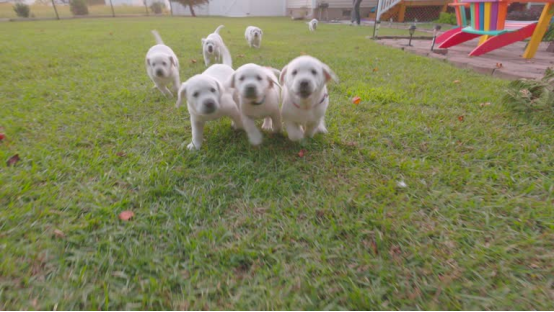
Genius Puppy: The Ultimate Guide to Early Cognitive Development and Complex Skills Training
The Science of Early Puppy Cognitive Development
Understanding the inner workings of a puppy’s brain is the first step toward raising a highly intelligent dog. Just like human infants, puppies are born with brains that are essentially blank slates, highly receptive to environmental stimuli.
The concept of canine neuroplasticity refers to the brain’s ability to form and reorganize synaptic connections, especially in response to learning or experience. During the first few months of life, a puppy’s neuroplasticity is at its absolute peak. This means the experiences they have, the challenges they face, and the environments they explore directly physically shape their brain architecture.
The Critical Socialization Window
Between the ages of 3 and 16 weeks, puppies go through a critical period of cognitive development. During this time, they are forming their baseline understanding of the world.
Exposing them to novel sights, sounds, textures, and problem-solving scenarios during this window prevents fear-based behaviors later in life and builds a resilient, adaptable nervous system. A puppy that learns how to learn early on will grasp complex commands much faster as an adult.

Foundational Milestones in Puppy Brain Growth
To effectively train a genius puppy, you must align your training expectations with their natural developmental milestones. Pushing a puppy too hard before their brain is ready can lead to frustration, while under-stimulating them can waste valuable learning potential.
Neonatal and Transitional Stages (0-4 Weeks)
In the earliest weeks, cognitive development is driven by sensory awakening. Puppies begin to open their eyes and ears, processing primary stimuli. Early Neurological Stimulation (ENS), which involves brief thermal and tactile stimulation, has been shown to improve cardiovascular performance and stress tolerance.
The Toddler Stage (4-8 Weeks)
At this stage, puppies learn basic cause and effect. They begin to understand that their actions have consequences, primarily through interactions with their littermates and mother. Bite inhibition and basic social cues are the primary cognitive achievements here.
The Sponge Stage (8-16 Weeks)
This is the golden era of puppy training. The brain is rapidly expanding. This is the exact time to introduce foundational obedience, name recognition, and basic problem-solving puzzles to build their confidence.
Transitioning to Complex Skills Training
Once the foundational milestones are met, you can transition from basic obedience to complex skills training. Complex skills require the dog to perform multi-step behaviors, differentiate between objects, or solve a puzzle to achieve a reward.
Behavior Chaining
Behavior chaining is a psychological concept where a complex task is broken down into smaller, manageable steps. Each step acts as a cue for the next, culminating in a final reward.
For example, teaching a dog to “fetch a specific toy and put it in a box” involves three distinct behaviors: identifying the toy, picking it up, and releasing it in a targeted location. You must train each behavior backward (backchaining) to ensure the highest success rate.
Pro Tips for Complex Training
- Keep sessions strictly under 10 minutes to prevent mental fatigue.
- Use high-value, novel treats that the puppy only gets during cognitive training.
- Always end on a successful repetition to build the puppy’s confidence.
- If the puppy fails twice in a row, lower the criteria to an easier step immediately.
Advanced Cognitive Exercises and Games
To truly elevate your puppy’s intelligence, you must move beyond standard sit-and-stay commands. Environmental enrichment and interactive games force the dog to use their brain in ways that mimic natural foraging and problem-solving.
Object Differentiation
Dogs have the cognitive capacity to learn the names of hundreds of different toys. Start with two visually distinct toys. Reward the puppy for touching the correct toy when named. This builds vocabulary and advanced auditory processing skills.
Scent Work and Foraging
A dog’s olfactory bulb is vastly superior to a human’s. Engaging their nose engages a massive portion of their brain. Hiding treats around the room or using a snuffle mat forces the puppy to process complex scent data, which is highly mentally taxing and deeply satisfying for them.
| Training Technique | Cognitive Benefit | Ideal Age to Start |
|---|---|---|
| Early Neurological Stimulation (ENS) | Improves stress tolerance and immune system | 3-16 Days |
| Interactive Puzzle Toys | Develops independent problem-solving skills | 8+ Weeks |
| Behavior Shaping | Encourages creative thinking and operant conditioning | 10+ Weeks |
| Scent Work / Nosework | Engages olfactory processing and deep focus | 12+ Weeks |
Frequently Asked Questions (FAQ)
- How much cognitive training does a puppy need daily?
- Mental fatigue sets in quickly for young dogs. Aim for 2 to 3 short sessions per day, lasting no longer than 5 to 10 minutes each. Mental stimulation is often more exhausting than physical exercise.
- Can a puppy be too young to start complex skills?
- Yes. Before 8 weeks, a puppy’s attention span and physical coordination are limited. Focus on socialization and environmental exposure first, gradually introducing multi-step complex skills around 12 to 16 weeks.
- What is the difference between luring and shaping?
- Luring involves guiding the puppy into a position using a treat in front of their nose. Shaping requires the puppy to offer behaviors independently, and you click or reward when they get closer to the desired goal. Shaping builds much higher cognitive intelligence.
- Why does my puppy suddenly seem to forget everything during training?
- This is common during fear periods or adolescence (around 5-8 months). Their brain is undergoing massive hormonal and structural changes. Be patient, lower your criteria, and reinforce foundational basics until this phase passes.
- Are expensive puzzle toys necessary for cognitive development?
- Not at all. While commercial puzzle toys are great, you can achieve the same cognitive benefits using rolled-up towels with treats inside, muffin tins covered with tennis balls, or simple cardboard boxes.
Animal care note: This article is for general education and owner awareness only. It is not veterinary diagnosis, treatment, emergency guidance, nutrition planning, or professional training advice. For illness, injury, diet changes, medications, behavioral risk, or urgent symptoms, consult a licensed veterinarian or qualified animal-care professional.