The Complete Guide to Decoding Cat Behavior and Communication
Understanding Feline Activity Cycles and Energy Bursts
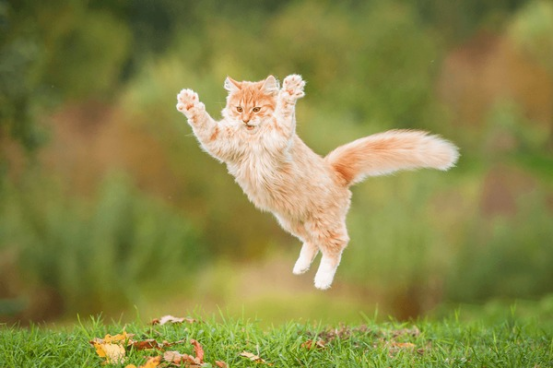
Many cat owners are familiar with the phenomenon often called the “midnight zoomies” or Twilight Run Syndrome. Scientifically, this relates to a cat’s crepuscular nature. Unlike humans, who are diurnal, or many predators that are strictly nocturnal, cats are most active during the twilight hours of dawn and dusk.
The Mechanism Behind the Midnight Run
When your cat races through the house at 3:00 AM, they are often responding to an evolutionary instinct to hunt when prey is most active. Even in domestic environments, this biological clock persists, resulting in bursts of high-intensity activity.
- Energy Expenditure: Cats store energy throughout the day via long naps; the “zoomies” are a natural release of pent-up kinetic energy.
- Environmental Stimuli: Shadows, dust motes, or distant sounds can trigger a hunting reflex, even if there is no actual prey present.

Decoding the Secret Language of Cat Tails and Body Signals
The tail is the most expressive barometer of a cat’s emotional state. Understanding the subtle shifts in tail movement can prevent misunderstandings between you and your pet.
Tail Positioning and Emotional Context
A tail held high with a slight hook at the end is a sign of confidence and friendly greeting. Conversely, a puffed-up tail indicates fear or aggression, serving as a defensive mechanism to make the cat appear larger to perceived threats.
| Tail Position | Emotional Meaning |
|---|---|
| Held High (Hooked) | Contentment and friendliness |
| Low/Tucked | Fear or submission |
| Twitching/Lashing | Irritation or high excitement |

Social Mapping Through Pheromones and Rubbing
When your cat rubs their cheeks against your legs, furniture, or doorframes, they are not just showing affection—they are constructing a social map. This behavior, known as bunting, deposits pheromones from specialized glands on their face.
Why Pheromone Marking Matters
By marking their territory, cats create a “scent signature” that provides them with a sense of security and familiarity. This olfactory map helps them identify what belongs to their “safe zone.”
The Role of Interspecies Communication
The slow blink is another vital part of this social mapping. By slowly closing and opening their eyes, cats signal to you that they are not a threat, essentially offering a sign of trust that is a cornerstone of feline-human bonding.

Environmental Preferences and Instinctive Habits
Cats are vertical creatures. Their preference for high vantage points—such as the top of a refrigerator or a high cat tree—is rooted in the need to scan for predators and potential prey. It is a position of safety and control.
Common Quirks Explained
- Paw-dipping in Water: Some cats paw at water because they struggle to gauge the water level due to their whiskers hitting the bowl, or they are simply playing with the reflection.
- Burying Food: This is a vestigial instinct to hide the scent of their meal from larger predators or to save it for later.
- Staring at the Air: Cats have superior senses; they are likely tracking movement or sounds (like insects or air currents) that are invisible or inaudible to human ears.
Frequently Asked Questions (FAQ)
- Q1: Why does my cat sleep on my head?
- Cats seek out the warmest parts of your body. Since body heat escapes through the head, it serves as a cozy, secure spot that also allows them to monitor your movements, reinforcing the bond of trust.
- Q2: Why do cats put their toys in the water bowl?
- This is often a “caching” behavior. In the wild, cats may bring prey to a safe place. By putting toys in the water, they may be protecting their “kill” or simply using the bowl as a convenient, stationary storage point.
- Q3: Why do cats stick their bums in the air when petted?
- This is a sign of extreme comfort and trust. It exposes their scent glands and is a remnant of social grooming rituals where cats would present their hindquarters to trusted members of their colony.
- Q4: Why does my cat howl at night?
- Howling can be a sign of boredom, an attempt to locate you in the dark, or in older cats, it can indicate cognitive dysfunction or sensory decline. If it persists, a vet check is recommended.
Animal care note: This article is for general education and owner awareness only. It is not veterinary diagnosis, treatment, emergency guidance, nutrition planning, or professional training advice. For illness, injury, diet changes, medications, behavioral risk, or urgent symptoms, consult a licensed veterinarian or qualified animal-care professional.