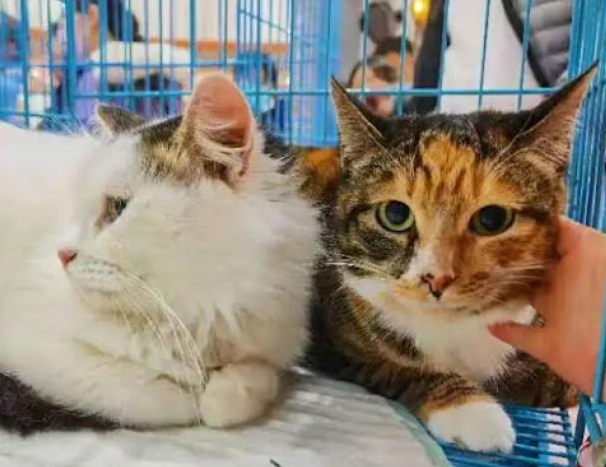
The Multifaceted World of Pet Ownership: A Comprehensive Guide
In today’s world, the role of a pet has evolved dramatically. They are no longer just animals that share our living space; they are cherished family members, silent confidants, and active participants in our daily lives. The human-animal bond has deepened, creating a complex and beautiful tapestry of emotional, social, and even economic interactions. This guide explores the multifaceted world of modern pet ownership, examining how these furry, scaled, or feathered companions influence everything from our personal ethics and home security to our romantic prospects and the global economy. We will delve into the critical choice of adoption, the surprising ways pets protect us, their ability to connect us with others, their integration into our most sacred traditions, and the massive industry that has grown around their well-being.
The Ethical Choice: Why Adoption is a Life-Changing Act
When deciding to bring a pet into your life, the first and most impactful choice is how you acquire them. The “adopt, don’t shop” movement is more than a catchy phrase; it’s a powerful ethical stance that directly addresses a global crisis of animal overpopulation and mistreatment. Choosing adoption from a shelter or rescue organization is an act of compassion that reverberates far beyond your own home.
Combating the Overpopulation Crisis
Millions of healthy, adoptable animals are euthanized in shelters every year simply because there are not enough homes for them. This tragic reality is a direct result of overpopulation, fueled by irresponsible breeding. By adopting, you provide a loving home to a deserving animal, directly reducing the number of pets in shelters. This single decision helps alleviate the strain on overcrowded facilities, allowing them to dedicate their limited resources to other animals in desperate need.
The Hidden Horrors of Puppy Mills
Purchasing a pet from a pet store or an online seller often means unknowingly supporting the cruel industry of puppy mills and commercial breeding facilities. In these places, animals are treated as commodities, kept in inhumane conditions with minimal medical care, and forced to breed relentlessly. Adopting a pet ensures your money does not fund this cycle of abuse. It sends a clear message to the market that you value animal welfare over pedigree papers or designer breeds.
Benefits for the Adopter: Health and Socialization
Contrary to common misconceptions, shelter pets are not “damaged goods.” Many are surrendered due to owner life changes like a move, divorce, or financial hardship. Rescue organizations often provide comprehensive behavioral assessments, and many pets come already house-trained and socialized. Furthermore, adoption fees are a fraction of the cost of buying from a breeder and typically include spaying/neutering, initial vaccinations, and microchipping, representing a significant financial saving.
The Ripple Effect: Saving More Than One Life
Perhaps the most profound aspect of adoption is its ripple effect. When you adopt one animal, you do more than just save its life. You create an open space at the shelter, enabling them to rescue another animal from the streets or a high-kill facility. Your single act of kindness changes the fate of multiple animals, creating a chain reaction of compassion that is essential to solving the pet homelessness crisis.

Beyond Companionship: Pets as Guardians of the Home
While we cherish pets for their affection and companionship, many also serve a vital, often overlooked role: as vigilant guardians of our homes. Their innate senses and territorial instincts make them a powerful and effective deterrent against potential intruders. This protective quality goes far beyond simple affection, providing a tangible layer of security for families.
The Psychology of Deterrence
The mere presence of a dog is often enough to make a potential burglar think twice. Studies and anecdotal evidence from law enforcement consistently show that homes with dogs are less likely to be targeted. Intruders seek easy, low-risk targets. The possibility of encountering a barking, territorial animal introduces a significant, unpredictable risk that most are unwilling to take. The sound of a dog can draw unwanted attention from neighbors, making a quiet entry impossible.
The Built-in Alarm System: A Pet’s Sensory Advantage
Pets, particularly dogs, possess sensory abilities far superior to our own. Their acute hearing can detect unusual sounds like footsteps on the gravel or the turning of a doorknob long before a human would notice. Their keen sense of smell can identify an unfamiliar person’s scent. When they sense a potential threat, their immediate reaction—a bark, a growl, or even just agitated behavior—serves as an instantaneous and reliable alarm system, alerting the household to danger far more effectively than any electronic device.
More Than Just Barking: The Protective Instinct
The guarding role of a pet is not limited to their bark. Many pets form deep bonds with their human families and develop a strong protective instinct. This instinct drives them to physically place themselves between their owner and a perceived threat or to act in a way that actively discourages an intruder from proceeding. This loyalty-driven protection is a priceless form of security that no technology can replicate.

The Social Magnet: How Pets Enhance Our Relationships
Beyond the home, pets have a remarkable ability to enrich our social lives and even improve our romantic prospects. Owning a pet can subtly signal positive personality traits and create natural opportunities for human connection, making pet owners appear more approachable and attractive to potential partners.
Demonstrating Key Character Traits
Caring for a living creature is a significant commitment. The daily responsibilities of feeding, walking, grooming, and providing veterinary care showcase a person’s capacity for nurturing, responsibility, and long-term commitment. These are highly desirable traits in a partner. Seeing someone interact lovingly with their pet provides a genuine glimpse into their compassionate and empathetic nature, suggesting they can extend that same care and patience to a human relationship.
Natural Icebreakers and Conversation Starters
Pets are fantastic social lubricants. Walking a dog in a park, visiting a pet-friendly café, or even posting photos of a cat online can create effortless opportunities for interaction. A shared love for animals is a powerful common ground. It’s much easier to strike up a conversation with a stranger by asking about their dog than it is to make a cold approach. These pet-facilitated interactions feel more organic and less pressured, fostering genuine connections.
A Window into a Person’s True Nature
How a person treats an animal can be incredibly revealing. Observing their patience, kindness, and sense of responsibility towards their pet offers an unfiltered look at their character. This insight can help in assessing compatibility with a potential partner. A person who is attentive and caring towards their animal companion is likely to bring those same qualities to a relationship, attracting partners who value those very traits.

Furry Family Members: The Role of Pets in Celebrations and Traditions
As pets have become more integrated into the family unit, their presence is increasingly central to our most cherished traditions and celebrations. They are no longer relegated to the background during holidays and special occasions; instead, they are active participants that enhance the joy and strengthen family bonds.
Integrating Pets into Holiday Rituals
Families are finding creative and heartwarming ways to include their pets in traditional celebrations. This can range from dressing them in festive costumes for Halloween to including them in the annual Christmas card photo. Many owners now buy special holiday-themed treats or toys for their pets, ensuring they have a “gift” to open with the rest of the family. These small acts of inclusion reinforce the pet’s status as a beloved family member and make the festivities feel more complete.
Strengthening Family Bonds Through Shared Experiences
The shared experience of caring for and celebrating with a pet can bring a family closer together. A pet’s playful antics during a holiday gathering can break the ice, provide a source of shared laughter, and create a positive, relaxed atmosphere. Taking a dog for a family walk on Thanksgiving morning or watching a cat play with wrapping paper on Christmas day become shared memories that strengthen the collective family identity. These moments create a unique and joyful dynamic that centers around the non-judgmental love of an animal.
Creating Lasting Memories with Animal Companions
The photos, videos, and stories that emerge from including pets in our celebrations become treasured parts of our family history. Looking back at pictures of a beloved dog “helping” to open presents or a cat sleeping under the Christmas tree evokes powerful feelings of nostalgia and love. These memories underscore the significant emotional role that pets play in our lives, marking the passage of time and the enduring nature of the human-animal bond.

The Booming Pet Economy: A Trillion-Yuan Industry of Love
The deep emotional connection we have with our pets has fueled one of the most rapidly growing sectors of the global economy. The “pet economy,” a vast ecosystem of products and services, has expanded into a trillion-dollar industry, driven by owners’ willingness to spend significantly on the health, comfort, and happiness of their animal companions.
The “Humanization” Trend: Driving Premium Spending
The single most significant driver of the pet economy is the trend of pet humanization. Owners increasingly view their pets as children or full-fledged family members, and their purchasing decisions reflect this mindset. This has led to a dramatic shift from basic necessities to premium and luxury goods. People are no longer just buying generic pet food; they are investing in organic, grain-free, or specialized veterinary diets. This extends to every aspect of pet care, from orthopedic beds and high-tech toys to professional grooming and pet-friendly travel.
Key Sectors of the Pet Market
The pet economy is remarkably diverse, encompassing a wide range of industries that cater to every conceivable need of a pet and its owner. Key sectors include:
- Pet Food & Treats: This is the largest segment, with a growing emphasis on health, wellness, and natural ingredients.
- Veterinary Care: This includes routine check-ups, emergency services, advanced surgical procedures, and preventative medicine.
- Supplies & Accessories: A broad category covering everything from leashes, collars, and toys to clothing, bedding, and travel carriers.
- Services: This dynamic sector includes grooming, boarding, training, dog walking, and pet-sitting services.
- Pet Tech: A rapidly emerging area featuring GPS trackers, automated feeders, pet cameras, and health monitoring devices.
The Economic Impact and Future Growth Projections
The economic impact of the pet industry is substantial, creating jobs and driving innovation. The market has proven to be remarkably resilient, often withstanding economic downturns as owners prioritize spending on their pets. Projections show continued strong growth, fueled by rising pet ownership rates globally and the deepening humanization trend. As our bond with our pets continues to strengthen, so too will the economy that supports their well-being.
Frequently Asked Questions (FAQ)
- Q1: Besides saving a life, what are the main benefits of adopting a pet from a shelter?
- Adopting from a shelter offers numerous benefits. Financially, adoption fees are much lower than breeder prices and usually cover initial costs like spaying/neutering, vaccinations, and microchipping. Behaviorally, you often get a pet with a known history and personality, and many are already house-trained. Ethically, you are actively fighting against the cruel puppy mill industry and helping to solve the pet overpopulation crisis.
- Q2: Can pets other than dogs be effective for home security?
- While dogs are most commonly associated with home security, other pets can also act as deterrents. For example, some birds like geese are notoriously territorial and loud, making excellent “watch-birds.” Even a cat visible in a window can deter some burglars who may worry it could make noise or cause a commotion. The key element is any animal’s ability to create unexpected noise or movement that disrupts an intruder’s plan for a quiet entry.
- Q3: How does owning a pet genuinely reflect on a person’s character in a dating context?
- Owning a pet demonstrates a person’s ability to commit to long-term care and responsibility. It shows they are capable of nurturing and empathy, as they must be attuned to the needs of another being. The way a person interacts with their pet—with patience, kindness, and affection—provides a genuine, unguarded look into their core personality, which are all attractive qualities for a potential high-quality partner.
- Q4: What is “pet humanization” and how does it drive the pet economy?
- Pet humanization is the trend of treating pets as integral members of the family, often with human-like status. This emotional shift is the primary engine of the pet economy. Because owners see their pets as “fur babies,” they are willing to spend more on premium products and services that they believe will enhance their pet’s quality of life. This includes high-end food, advanced medical care, luxury accessories, and specialized services, transforming the market from one of basic needs to one of discretionary, love-driven spending.
- Q5: What are some simple ways to include my pet in family celebrations?
- Inclusion can be simple and fun. You can purchase or make a pet-safe festive meal so they can “dine” with the family. Involve them in activities like a family walk or gentle playtime. A new toy or treat can serve as their “gift” during gift exchanges. Lastly, be sure to include them in family photos to capture the memory. Always prioritize your pet’s safety and comfort, ensuring they have a quiet space to retreat to if the festivities become overwhelming.