
The Ultimate Dog Kennel Guide: From Buying and Building to Maintenance
A dog kennel is far more than a simple shelter; it is a foundational element of a dog’s well-being and security. For a dog, a kennel replicates a natural den, providing a private, safe space where they can retreat, rest, and feel protected from the outside world. This sense of security is crucial for their mental health, helping to significantly relieve anxiety and stress. Whether you are buying a pre-made model, embarking on a DIY project, or simply upgrading your current setup, understanding the key principles behind choosing, building, and maintaining a kennel is essential. This guide provides an exhaustive breakdown of every consideration, from material selection and sizing to waterproofing, cleaning, and even integrating smart technology.
We will explore the nuances of different kennel types, including robust outdoor structures, convenient portable carriers for travel, and insulated shelters for harsh weather. By delving into cost analysis, construction techniques, and maintenance schedules, you will gain the expertise needed to provide a five-star mansion that ensures your furry family member is safe, comfortable, and happy.
Choosing the Right Kennel: A Comprehensive Buying Guide
Selecting the perfect kennel is the first and most critical step. The ideal choice depends on your dog’s size, breed, temperament, and the primary use of the kennel. A mismatch in any of these areas can lead to discomfort, anxiety, or a kennel that is quickly destroyed. Before making a purchase, a thorough evaluation of your specific needs is required.
How to Determine the Correct Size
Sizing is paramount for comfort and safety. A kennel that is too small will be cramped and uncomfortable, while one that is too large will not provide the cozy, den-like security dogs crave. In a cavernous space, a dog may use one end for sleeping and the other for urination, which complicates house training. The rule of thumb is that the kennel should be just large enough for your dog to stand up, turn around, and lie down comfortably in a natural position. To get the right measurements:
- Length: Measure your dog from the tip of their nose to the base of their tail. Add 2-4 inches to this measurement.
- Height: Measure your dog from the top of their head to the floor while they are sitting or standing. Add 2-4 inches to this measurement.
For puppies, it’s wise to purchase a kennel sized for their expected adult size but use a divider to reduce the space initially. This prevents accidents and allows the kennel to grow with them.
Material Matters: Wood, Plastic, Metal, and Fabric
The material of the kennel impacts its durability, weight, insulation, and ease of cleaning. Each has distinct advantages and disadvantages.
- Plastic Kennels: These are lightweight, affordable, and easy to clean. Their molded design offers good protection from the elements and they are often airline-approved for travel. However, they can crack under impact and may offer less ventilation than wire models.
- Metal (Wire) Kennels: Offering excellent ventilation and visibility, wire kennels are a popular choice for indoor use and training. They are durable and often collapsible for easy storage. Their downside is a lack of protection from weather, making them unsuitable as primary outdoor shelters without modification.
- Wooden Kennels: Wood is an excellent natural insulator, keeping the kennel warmer in winter and cooler in summer. Aesthetically, wooden dog houses often look the best in a backyard. However, they are heavy, more difficult to clean, and can be chewed by destructive dogs. Wood also requires treatment to prevent rot and insect damage.
- Fabric (Soft-Sided) Kennels: These are the ultimate portable solution. They are extremely lightweight and fold down compactly, making them perfect for travel, car rides, and temporary housing. Their main drawback is a lack of durability; they are not suitable for aggressive chewers or for use as a primary long-term shelter.
Outdoor vs. Portable Kennels
The intended location and purpose will dictate your choice. Outdoor kennels must be built to withstand the elements. Look for features like a slanted, waterproof roof, an elevated floor to prevent moisture from seeping in, and durable, weather-treated materials. Insulation is a key factor for regions with extreme temperatures. In contrast, portable kennels prioritize low weight and ease of transport. They need to be well-ventilated for safety during travel and secure enough to prevent escapes in unfamiliar environments.
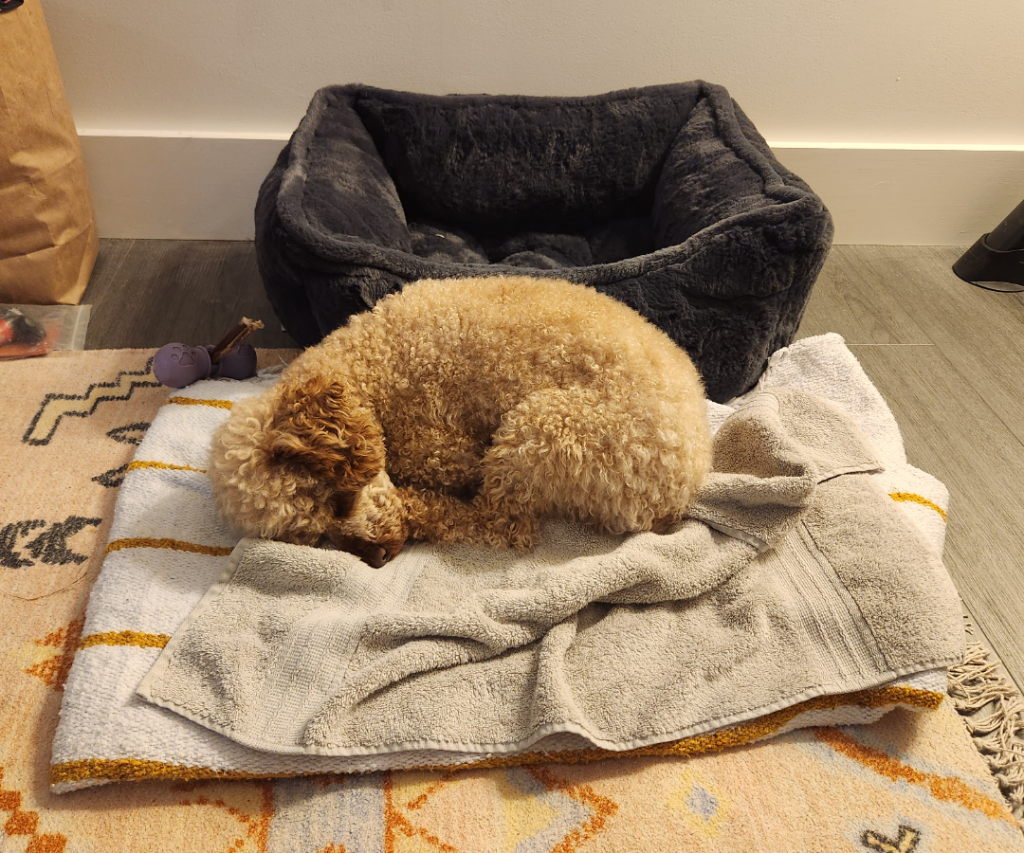
Building Your Own DIY Dog Kennel: A Step-by-Step Approach
For those with a bit of handy-work skill, building a DIY dog kennel offers complete customization over size, materials, and features. You can create a “five-star mansion” perfectly tailored to your dog’s needs and your backyard’s aesthetic. This is an especially valuable option for providing shelter for stray animals or for owners who want specific features not found in commercial products.
Essential Tools and Materials
Before you begin, gather the necessary supplies. A basic project will typically require:
- Tools: Tape measure, pencil, circular saw, drill with various bits, level, and a staple gun.
- Lumber: Pressure-treated lumber for the base frame to resist rot, and standard plywood or cedar for the walls and roof.
- Fasteners: Weather-resistant screws and nails.
- Roofing: Asphalt shingles or corrugated metal for waterproofing.
- Insulation: Foam board insulation for walls and ceiling, especially for winter shelters.
- Finishing: Pet-safe paint or sealant to protect the wood.
Weatherproofing for All Seasons
A durable outdoor kennel must protect your dog from rain, wind, heat, and cold. Effective weatherproofing is non-negotiable.
- Waterproofing: Ensure the roof is slanted to allow water runoff and is covered with a reliable roofing material. The entire structure should be raised a few inches off the ground on a solid base to prevent water from pooling underneath and seeping into the floor.
- Insulation: For cold climates, insulating the walls, floor, and ceiling is crucial. Use rigid foam board insulation cut to fit between the wall studs. This creates a thermal barrier that traps the dog’s body heat inside during winter.
- Ventilation: Proper airflow is just as important as insulation. It prevents the interior from becoming stuffy in the summer and helps control moisture and condensation in the winter, which can lead to mold and mildew. Install small, covered vents near the top of the walls to allow air to circulate without creating a draft.

Cost Analysis: Budgeting for Your Dog’s Mansion
The cost of a dog kennel can range dramatically, from a simple plastic crate to a luxurious, custom-built “mansion.” Understanding the price points and what you get for your money is key to making a smart investment in your pet’s comfort and safety.
Breakdown of Pre-Built Kennel Costs
The market for pre-built kennels is diverse, with options to fit nearly any budget. The price is primarily influenced by size, material, and features.
- Basic Kennels ($50 – $150): This range typically includes basic plastic crates and simple wire kennels. They are functional for indoor use, training, and occasional travel but lack durability and weather protection for outdoor use.
- Mid-Range Kennels ($150 – $400): In this tier, you’ll find higher-quality plastic models, more robust wire kennels with dividers, and entry-level wooden dog houses. These are suitable for most general purposes and offer a good balance of price and quality.
- Luxury Kennels ($400+): High-end models include large, insulated wooden houses, heavy-duty outdoor runs, and kennels with designer aesthetics or integrated features like porches or windows. These are built for longevity and maximum comfort.
Estimating the Cost of a DIY Project
Building a kennel yourself can be a cost-effective alternative, especially if you want features found in high-end models. The primary expenses will be lumber, roofing materials, and insulation. A simple, well-built wooden kennel can often be constructed for $150 – $300 in materials. The final cost depends heavily on the size of the structure and the quality of the materials you choose. A “smart house” with added electronics for heating or monitoring will increase the budget significantly.
Long-Term Value and Hidden Costs
When budgeting, consider the long-term value. A cheap, poorly made kennel may need to be replaced in a year or two, making a more expensive, durable option cheaper in the long run. Also, factor in potential hidden costs, such as bedding, toys for the kennel, and any pet-safe wood sealant or paint required for maintenance.

Advanced Features and Smart Kennel Innovations
For the truly dedicated pet parent, the modern dog kennel can be equipped with technology and features that rival a human home. These “smart” houses provide unparalleled comfort, safety, and convenience, especially for owners who are away from home for extended periods.
Climate Control: Heating and Cooling
Maintaining a comfortable temperature is one of the biggest challenges for outdoor kennels. Advanced solutions can solve this problem.
- Heating: Safe heating options include kennel-specific heating pads that are pressure-activated and have chew-proof cords, or wall-mounted radiant heaters that gently warm the space without creating hot spots that could burn your pet.
- Cooling: In hot climates, a simple fan can provide air circulation. For more advanced cooling, kennel air conditioning units are available. Ensuring good ventilation and providing plenty of shade are also critical non-tech solutions.
Monitoring and Security
Technology allows you to keep an eye on your pet from anywhere. A pet camera installed inside or near the kennel can provide a live video feed to your smartphone. Some cameras even offer two-way audio, allowing you to talk to your dog, or treat-dispensing capabilities. For security, smart locks on a kennel run can provide peace of mind, ensuring your pet is secure in your yard.
Automated Feeders and Waterers
Automated systems can dispense pre-portioned meals at scheduled times, ensuring your dog is fed on time even if you’re running late. Likewise, automated waterers can connect to a hose and keep a fresh supply of water available at all times, which is especially important during hot weather.
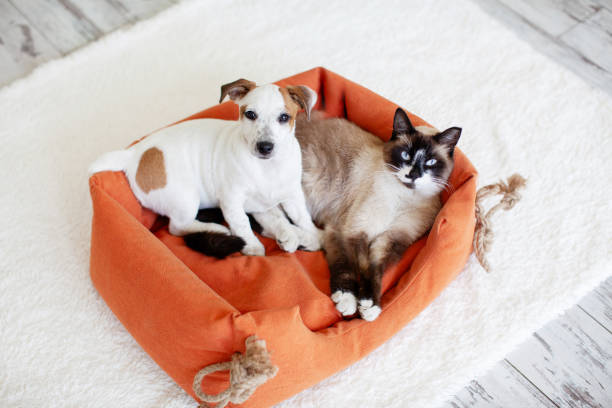
Essential Kennel Maintenance and Cleaning
A kennel can quickly become a source of odor and bacteria if not cleaned regularly. Proper hygiene is essential for your dog’s health and for keeping your home or yard smelling fresh. Even the laziest person can follow a simple schedule to keep the kennel in pristine condition.
Developing a Regular Cleaning Schedule
Consistency is key. Breaking down tasks into daily, weekly, and monthly chores makes the process manageable.
- Daily: Remove any solid waste, leftover food, and check the water bowl. Give bedding a quick shake-out to remove hair and debris.
- Weekly: This is the time for a more thorough cleaning. Remove all bedding and wash it. Scrub the interior surfaces of the kennel with a pet-safe cleaner. Rinse thoroughly and allow it to dry completely before putting the bedding back in.
- Monthly: Conduct a deep clean and a structural inspection. For outdoor kennels, check the roof for leaks, ensure the base is still solid, and look for any signs of chewing or damage that needs repair. This is also a good time to reapply any pet-safe sealant if needed.
Choosing Safe and Effective Cleaning Products
It is critical to use cleaning products that are non-toxic to dogs. Many common household cleaners contain chemicals that can be harmful if ingested or inhaled by pets. Look for cleaners specifically formulated for pet environments, or use a simple, effective solution of vinegar and water. A solution of one part vinegar to one part water is excellent for disinfecting and deodorizing surfaces safely.
Keeping the Kennel Dry and Comfortable
A damp kennel is a breeding ground for mold, mildew, and bacteria, and it can be unhealthy for your dog. Ensure the kennel is placed in a well-drained area. An elevated floor is the best defense against ground moisture. Check regularly for leaks and ensure there is adequate ventilation to allow moisture from your dog’s breath to escape. Providing comfortable, clean, and dry bedding like cedar shavings (which repel fleas) or a washable dog bed will complete their comfortable paradise.
Frequently Asked Questions (FAQ)
- How do I get my dog to like their kennel?
- Introduce the kennel gradually and create positive associations. Never use the kennel as a form of punishment. Place comfortable bedding, special toys, and treats inside. Start by feeding your dog their meals in the kennel with the door open. Gradually increase the time they spend inside with the door closed, starting with just a few minutes. This process, known as crate training, helps the dog see the kennel as their personal, safe den.
- What is the best material for an outdoor dog kennel?
- For most climates, wood is an excellent choice due to its natural insulation properties, which help keep the interior cooler in summer and warmer in winter. Cedar is a particularly good option as it is naturally resistant to rot and insects. However, it must be sealed to prevent chewing and water damage. For very wet climates or for dogs who are heavy chewers, a heavy-duty molded plastic or insulated metal kennel may be a more durable, low-maintenance option.
- How can I prevent my dog’s kennel from becoming damp?
- Preventing dampness involves a multi-pronged approach. First, ensure the kennel is elevated off the ground by at least 2-4 inches to prevent moisture from the ground from seeping in. Second, make sure the roof is waterproof and slanted for proper drainage. Third, provide adequate ventilation with small, covered vents to allow moisture to escape. Finally, place the kennel in a well-drained area of your yard, not in a low spot where water collects.
- Are wire kennels safe for dogs?
- Yes, wire kennels are generally very safe when used correctly. They provide excellent ventilation and allow the dog to see its surroundings, which can reduce anxiety for some pets. However, it’s important to ensure there are no sharp edges and that the bar spacing is appropriate for your dog’s size to prevent their paws or collar from getting stuck. Do not leave a collar on your dog when they are in any type of kennel to prevent a choking hazard.
- How often should I replace my dog’s kennel bedding?
- Kennel bedding should be washed at least once a week to control odors, bacteria, and allergens. The bedding itself should be replaced when it shows significant signs of wear and tear, such as rips, holes, or flattened padding that no longer provides adequate support. For heavy chewers, inspect bedding daily for damage to prevent them from ingesting stuffing or fabric.
Animal care note: This article is for general education and owner awareness only. It is not veterinary diagnosis, treatment, emergency guidance, nutrition planning, or professional training advice. For illness, injury, diet changes, medications, behavioral risk, or urgent symptoms, consult a licensed veterinarian or qualified animal-care professional.