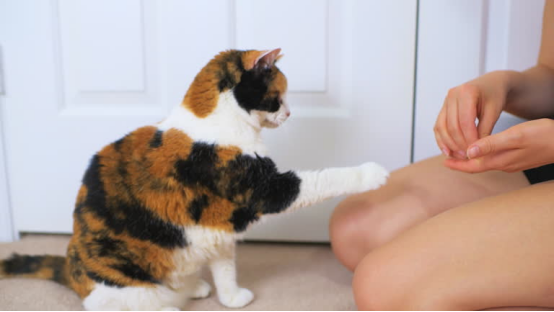
The Ultimate Guide to Choosing Your First Cat: Breeds, Behavior, and Bonding
The Ultimate Guide to Choosing Your First Cat
Embarking on the journey of cat ownership is a transformative experience that brings immense joy, companionship, and a touch of delightful chaos into your home. However, for novice cat owners, the initial selection process is often fraught with anxiety. The fundamental challenge lies not just in deciding to adopt, but in identifying a feline whose temperament aligns seamlessly with a beginner’s lifestyle. A mismatch in energy levels or affection requirements can lead to frustration for both the human and the animal. Therefore, understanding the intricate balance between genetic predispositions—often dictated by breed—and individual behavioral cues is paramount to fostering a lifelong, harmonious bond.
This comprehensive guide bridges the gap between theoretical breed knowledge and practical behavioral assessment. We will not only explore the top three cat breeds universally recommended for first-time owners due to their docile and forgiving natures, but we will also delve deeply into the micro-behaviors that reveal a cat’s true personality. By examining physical indicators such as tail positioning and belly exposure, and by understanding the profound impact of a kitten’s family background, you will be equipped with the analytical tools of a seasoned feline behaviorist. Your goal is to find a good-natured, clingy companion, and this blueprint will lead you directly to them.

Top Three Cat Breeds Recommended for Beginners
While mixed-breed domestic cats can make phenomenal pets, purebred cats offer a degree of predictability in size, coat type, and, most importantly, temperament. For someone who has never lived with a cat, predictability is a highly valuable asset. The following three breeds have been meticulously selected based on their historical track record of adaptability, low aggression, and high affection levels, making them the undisputed champions for novice owners.
The Ragdoll: The Ultimate Lap Cat
The Ragdoll is arguably the most famous breed for individuals seeking a deeply affectionate, “dog-like” feline companion. Named for their endearing tendency to go completely limp when picked up, Ragdolls are the epitome of relaxation. They possess a striking appearance, characterized by piercing blue eyes and a semi-longhair, color-point coat. However, it is their exceptionally gentle and trusting nature that truly sets them apart.
Ragdolls thrive on human interaction and will actively seek out their owners, often following them from room to room. They are not known for high-energy acrobatics; instead, they prefer to lounge on the sofa beside—or directly on top of—their favorite humans. Because of their incredibly docile nature, they are generally fantastic with children and other pets. However, this same trusting demeanor means they lack basic defensive instincts, making it absolutely critical that Ragdolls are kept strictly as indoor cats to ensure their safety.
The British Shorthair: Independent Yet Affectionate
If you desire a cat that is loving but slightly less demanding of constant physical contact than the Ragdoll, the British Shorthair is an impeccable choice. Known for their dense, plush coats and round, “teddy bear” faces, these cats exude a quiet dignity. They are incredibly easygoing and adapt well to various living situations, including apartments and homes with working professionals who may be absent during the day.
The British Shorthair’s affection is expressed subtly. They may not always demand to be in your lap, but they will consistently choose to be in the same room as you, quietly observing family activities. They are remarkably patient and rarely vocal, preferring to communicate through soft chirps and purrs. Their short, dense coat requires minimal grooming compared to longhaired breeds, consisting mostly of a weekly brush to remove loose fur, making their physical maintenance highly manageable for a beginner.
The American Shorthair: Adaptable and Playful
The American Shorthair represents the perfect middle ground between the extreme docility of the Ragdoll and the quiet independence of the British Shorthair. Originally bred as working cats to keep ships and farms free of rodents, today’s American Shorthair retains a robust, healthy constitution and a playful, inquisitive spirit. They are moderately active, enjoying interactive play sessions with feather wands and laser pointers, which provides an excellent bonding opportunity for new owners.
What makes the American Shorthair exceptional for novices is their incredible adaptability. They integrate seamlessly into bustling households, tolerate routine changes well, and are generally bold and confident. When it comes to affection, they are highly social and enjoy cuddling on their own terms. They are not overly needy, yet they form deep, enduring bonds with their human families.
To help you synthesize this information, the following table provides a quick comparative analysis of these three highly recommended beginner breeds across key ownership metrics:
| Breed | Activity Level | Grooming Needs | Clinginess / Affection Level | Best Suited For |
|---|---|---|---|---|
| Ragdoll | Low | Moderate (Requires regular brushing) | Extremely High | Owners seeking a constant, cuddly companion. |
| British Shorthair | Low to Moderate | Low (Weekly brushing) | Moderate (Prefers proximity over laps) | Busy professionals or those wanting a quiet, undemanding pet. |
| American Shorthair | Moderate | Low (Minimal maintenance) | High (Playful and social) | Active households and families with children. |

Decoding Feline Body Language: The Tail Indicator
While selecting a specific breed provides a baseline for temperament, evaluating the individual cat is the true test of a successful match. Cats communicate volumes through their body language, and for a novice seeking a good-natured and clingy companion, the tail is the most reliable barometer of a feline’s emotional state. When you first interact with a potential new cat, observing their tail can instantly tell you if they are open to your affection or if they are feeling defensive.
The Upright Question Mark Tail
When a cat approaches you with its tail held high in the air, with a slight curve or “hook” at the very tip (resembling a question mark), you are witnessing the universal feline sign of a friendly greeting. This posture indicates that the cat is confident, curious, and actively inviting interaction. A cat that frequently displays this tail position when you enter the room is demonstrating a naturally outgoing and affectionate disposition. For a beginner, this is the green light to gently offer your hand for a sniff and initiate petting.
- Contextual Clues: Look for the upright tail accompanied by a relaxed body posture and forward-facing ears.
- Interaction Strategy: Lower yourself to the cat’s level to appear less intimidating, and allow them to close the final distance between you.
The Wrapping Tail
A highly clingy and affectionate cat will often use its tail as a physical extension of its embrace. If a cat walks past your legs and deliberately wraps its tail around your calf or ankle, it is an act of claiming and deep affection. This behavior, often accompanied by figure-eight rubbing against your legs, deposits pheromones from the cat’s scent glands onto you, effectively marking you as their safe and beloved territory. A cat that exhibits tail-wrapping early in your acquaintance is highly likely to develop into a devoted, velcro-like companion.
Conversely, a tail that is tucked tightly between the hind legs indicates severe fear and anxiety, while a tail that is rapidly thrashing or thumping against the floor is a clear warning of overstimulation or aggression. Novice owners should generally avoid cats displaying these negative tail signs during initial meetings, as rehabilitating a fearful or aggressive cat requires advanced behavioral modification skills.

The Belly Test: Assessing Trust and Vulnerability
In the wild, a cat’s abdomen is its most vulnerable area, housing all of its vital organs. Therefore, exposing the belly is an act that goes against all of a feline’s natural survival instincts. In a domestic setting, a cat’s willingness to expose its belly to a human is the ultimate litmus test for deep-seated trust and a good-natured temperament. Understanding how to interpret and react to belly exposure is crucial for a novice owner.
Voluntary Belly Exposure
When you are observing a cat, perhaps at a shelter or a breeder’s home, pay close attention to how they rest. A cat that comfortably rolls onto its back, splaying its legs and fully exposing its belly while in your presence, is demonstrating an incredibly high level of comfort. This behavior signals that the cat feels entirely safe in its environment and does not perceive you as a threat. Cats that frequently sleep or lounge in this position are generally relaxed, easygoing, and highly receptive to human bonding.
The Touch Reaction: Differentiating Trust from a Trap
It is a common misconception among beginners that an exposed belly is an automatic invitation for a belly rub, akin to a dog. This is often not the case. For many cats, exposing the belly is simply a display of trust, not a request for physical contact in that specific area. If you attempt to pet the belly and the cat immediately wraps its front paws around your arm, kicks with its back legs, or lightly bites, it is engaging in play-aggression or expressing discomfort with the vulnerability of the touch.
However, if you are seeking a truly “clingy” and exceptionally good-natured cat, look for the rare feline that not only exposes its belly but actually leans into a gentle belly rub, purring loudly and stretching further. A cat that tolerates and enjoys abdominal petting possesses a remarkably docile and trusting genetic makeup, making them an absolute treasure for a first-time owner.

The Impact of Family Background and Early Socialization
While breed characteristics and immediate body language are vital pieces of the puzzle, a cat’s core temperament is fundamentally forged during its earliest weeks of life. The interplay between genetics (inherited from the parents) and environment (early socialization) creates the foundation for whether a cat will be aloof and fearful or good-natured and clingy. Novice owners must learn to investigate a kitten’s family background before making a commitment.
Evaluating the Mother Cat’s Temperament
Genetics play an undeniable role in a cat’s disposition. If you are adopting from a breeder or a rescue where the mother cat (the queen) is present, observing her behavior is the most accurate crystal ball you have for predicting the kittens’ future personalities. A mother cat who is friendly, approaches strangers with a raised tail, and enjoys being petted will pass these confident, pro-social genetic traits down to her offspring.
Furthermore, kittens learn by observing their mother. If the queen acts fearfully, hisses, or hides when humans approach, her kittens will internalize that humans are a source of danger. Even if a kitten from a fearful mother is handled frequently, overcoming that initial learned anxiety can be a lifelong challenge. Therefore, prioritizing a kitten born to a visibly affectionate and relaxed mother is a critical step for a beginner.
The Critical Socialization Window
Beyond genetics, the period between two and seven weeks of age is known as the “critical socialization window” for felines. During this brief timeframe, a kitten’s brain is highly elastic and open to forming positive associations with new stimuli. A kitten that is gently and frequently handled by various humans during this window will grow up to view human interaction as a normal, highly rewarding part of life.
- Questions to Ask: When speaking to a breeder or foster parent, explicitly ask how often the kittens are handled. Are they raised in an isolated room, or in the center of a bustling household where they are exposed to normal domestic noises like vacuums, televisions, and conversation?
- The Clingy Outcome: Kittens raised “underfoot” in a loving, interactive environment are exponentially more likely to develop into the clingy, affectionate lap cats that novice owners desire. They have learned from infancy that humans are the source of food, warmth, and comfort.

Essential Preparation and Bonding Strategies
Once you have utilized your knowledge of breeds, body language, and family background to select the perfect, good-natured cat, the final phase of the journey begins: bringing them home. The transition to a new environment is inherently stressful for any feline, regardless of how confident they are. For a novice owner, setting up the right environment and employing patient bonding strategies will ensure that the cat’s inherent clingy and affectionate nature is fully realized in their new home.
Creating a Welcoming Safe Space
Never give a new cat free roam of the entire house immediately. This sensory overload can cause even the bravest cat to retreat under a bed and refuse to come out. Instead, prepare a dedicated “safe room” (such as a spare bedroom or a quiet bathroom) equipped with their litter box, food, water, a scratching post, and comfortable hiding spots. This confined space allows the cat to map their immediate territory and feel secure before facing the vastness of the rest of the home.
Spend time in this safe room doing quiet activities. Sit on the floor and read a book or gently scroll on your phone. The goal is to let the cat approach you on their own terms. By being a calm, non-threatening presence, you allow the cat’s natural curiosity and desire for affection to override their initial apprehension.
The 3-3-3 Rule of Adoption
Novice owners must internalize the “3-3-3 Rule,” which outlines the standard adjustment period for a new cat. Understanding this timeline prevents unrealistic expectations and frustration.
- First 3 Days: The cat will likely feel overwhelmed and may hide, refuse to eat, or act completely out of character. This is normal. Do not force interaction.
- First 3 Weeks: The cat begins to settle in, realizing they are safe. They will start exploring the wider house, figuring out your routine, and showing flashes of their true personality. This is when you will start seeing those upright tails and requests for attention.
- First 3 Months: The cat is now fully integrated into your home. They have established trust, claimed their favorite sleeping spots, and the deep, clingy bond you carefully selected them for will be in full bloom.
Frequently Asked Questions (FAQ)
- Q1: Can an older shelter cat become a clingy and affectionate companion, or should a novice only adopt kittens?
- Older shelter cats can make exceptionally clingy and wonderful companions for novices! In fact, adult cats have fully formed personalities, so what you see is what you get. If an adult cat at a shelter comes to the front of the cage, rubs against the bars, and purrs when you pet them, they are highly likely to remain that affectionate in your home. Kittens, while adorable, are unpredictable as they mature. Adopting an adult cat removes the guesswork from temperament assessment.
- Q2: Are male or female cats generally more affectionate and good-natured?
- While individual personality always trumps gender, there is a widespread consensus among breeders and behaviorists that neutered male cats tend to be slightly more easygoing, goofy, and overtly affectionate (“clingy”) than spayed females. Females are often described as deeply loyal to their chosen person but can sometimes be more independent or “moody.” However, both genders can make phenomenal pets if properly socialized.
- Q3: How long does it take for a new cat to show its true personality?
- As outlined by the 3-3-3 rule, it typically takes a full three months for a cat to completely decompress and reveal their true, uninhibited personality. A cat that seems slightly aloof or timid during the first week may blossom into a total lap cat once they feel 100% secure in their territory and trust their new owner implicitly. Patience is the most critical tool for a novice owner.
- Q4: What should I do if the breed I chose isn’t acting as affectionate as the descriptions promised?
- First, evaluate their health; sudden behavioral changes or lethargy can indicate an underlying medical issue. If health is cleared, assess the environment. Is the cat receiving enough mental stimulation? Are there loud noises or other pets causing chronic stress? Remember that breed descriptions are generalizations, not guarantees. Focus on building trust through interactive play (like feather wands) and positive reinforcement with high-value treats to encourage their affectionate side to emerge at their own pace.
Animal care note: This article is for general education and owner awareness only. It is not veterinary diagnosis, treatment, emergency guidance, nutrition planning, or professional training advice. For illness, injury, diet changes, medications, behavioral risk, or urgent symptoms, consult a licensed veterinarian or qualified animal-care professional.