
The Ultimate Guide to Comprehensive Dog Care and Health
Introduction to Responsible Dog Ownership
Bringing a dog into your home is a profound commitment that extends beyond providing food and shelter. It encompasses understanding their unique needs, ensuring their physical and mental well-being, and integrating them as a valued member of your family. Responsible dog ownership begins with thorough preparation and continues with consistent, informed care throughout their life stages. This foundational understanding is crucial for preventing common issues and building a strong, loving bond. Recognizing the scope of this responsibility, from daily routines to emergency preparedness, sets the stage for a fulfilling relationship for both pet and owner.
The Commitment of Canine Companionship
Owning a dog means dedicating time, resources, and emotional energy. This commitment involves daily walks, training sessions, regular veterinary check-ups, and providing a safe, stimulating environment. Beyond the tangible aspects, it’s about being present, offering affection, and understanding their non-verbal cues. The emotional investment fosters loyalty and companionship that enriches human lives immeasurably.
- Time Investment: Daily exercise, training, playtime, and grooming are non-negotiable aspects of dog care. Puppies and high-energy breeds demand significantly more time.
- Financial Responsibility: Costs include food, veterinary care (vaccinations, deworming, emergencies), grooming, toys, bedding, and potential training classes.
- Emotional Dedication: Dogs thrive on companionship and routine. Neglect can lead to behavioral problems and distress.

Choosing Your Canine Companion & Optimal Nutrition
The decision to get a dog should be carefully considered, as it impacts many years of your life. Selecting the right breed or mix involves evaluating your lifestyle, living situation, and capacity for care. Once a dog joins your family, providing optimal nutrition becomes paramount, directly influencing their growth, energy levels, immune system, and overall longevity. Navigating the vast array of dog food options requires an understanding of ingredients, dietary needs, and how to tailor meals to your dog’s specific age, activity level, and health status.
Selecting the Right Dog for Your Lifestyle
Choosing a dog is not just about cuteness; it’s about compatibility. A mismatch can lead to stress for both the dog and the owner. Factors such as energy levels, grooming requirements, trainability, and temperament vary significantly across breeds and individual dogs. For instance, a high-energy breed like a Border Collie may not be suitable for an apartment dweller with a sedentary lifestyle, whereas a more laid-back breed like a Basset Hound might fit perfectly.
- Consider Your Living Space: Large breeds need more room; active dogs need outdoor access or frequent walks.
- Evaluate Your Activity Level: Match the dog’s energy to yours. A couch potato shouldn’t adopt a marathon runner.
- Assess Time Commitment: Puppies and certain breeds require extensive training and socialization. Long-haired breeds need regular grooming.
- Research Breed Temperament: Some breeds are naturally more independent, others more prone to separation anxiety. Consider family dynamics, especially if children or other pets are present.
- Adoption vs. Breeder: Both offer wonderful companions. Shelters often have mixed breeds with unique personalities, while reputable breeders can provide insights into specific breed traits and health histories.
Navigating the World of Dog Food: A Guide to Optimal Nutrition
The adage “you are what you eat” applies equally to dogs. High-quality nutrition is the cornerstone of good health, directly impacting everything from coat shine to organ function. With countless brands and formulations available, selecting the best dog food can feel overwhelming. It’s crucial to look beyond marketing claims and focus on ingredient quality and nutritional balance.
Understanding Dog Food Ingredients and Types
A truly nutritious dog food will list a high-quality animal protein (e.g., chicken, beef, lamb, fish) as the first ingredient. Avoid foods with excessive fillers, artificial colors, flavors, or preservatives. Understanding different food types can also help tailor your choice.
- Dry Kibble: Convenient and often cost-effective, good for dental health. Look for nutrient-dense options.
- Wet Food (Canned): Higher moisture content, palatable for picky eaters, but often more expensive and less concentrated.
- Semi-Moist Food: Often higher in sugar and salt, generally not recommended as a primary diet.
- Raw Food (BARF – Biologically Appropriate Raw Food): Advocates believe it mimics ancestral diets. Requires careful handling to prevent bacterial contamination and must be nutritionally balanced, often with veterinary guidance.
- Fresh/Human-Grade Food: Cooked food prepared with human-grade ingredients. Can be highly nutritious but also more expensive and requires careful formulation.
Key Nutrients and Considerations
Beyond protein, dogs need a balanced intake of fats, carbohydrates, vitamins, and minerals. The specific ratios can vary based on life stage and health.
- Protein: Essential for muscle development and repair. Animal-based proteins are generally superior.
- Fats: Provide concentrated energy, support skin and coat health, and aid in vitamin absorption. Omega-3 and Omega-6 fatty acids are crucial.
- Carbohydrates: Provide energy. Complex carbohydrates from whole grains, vegetables, and fruits are preferable.
- Vitamins & Minerals: Support various bodily functions, from bone health to immune response.
- Age-Specific Formulas: Puppies need higher calories and specific nutrient ratios for growth. Adult dogs require maintenance formulas. Senior dogs may benefit from lower calorie, joint-supporting formulas.
- Special Dietary Needs: Dogs with allergies, sensitivities, or specific health conditions (e.g., kidney disease, diabetes) require prescription or limited-ingredient diets, often recommended by a veterinarian.
Always transition dog food gradually over 7-10 days to prevent digestive upset. Monitor your dog’s weight, energy, and coat condition as indicators of nutritional adequacy.

Understanding Common Canine Health Threats: Parasites
Parasites are an unfortunate but common reality for dogs, ranging from external nuisances like fleas and ticks to internal threats like intestinal worms. While some parasites cause mild irritation, others can lead to serious health complications, transmitting diseases, causing anemia, or impacting organ function. Proactive prevention and prompt treatment are essential components of responsible dog care to protect your pet from these pervasive threats.
Tick Bites in Puppies and Dogs: Identification, Risks, and Prevention
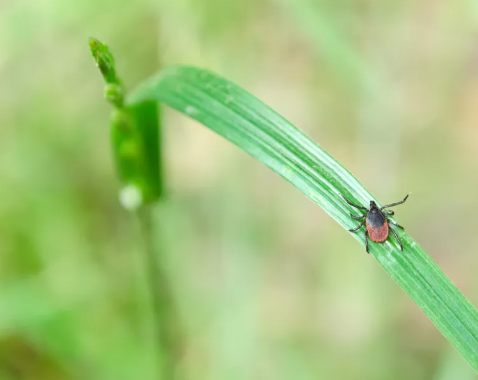
Ticks are external parasites that latch onto dogs to feed on their blood. While a single tick bite might seem minor, ticks are notorious vectors for a variety of serious diseases, making them a significant health concern, especially for vulnerable puppies. Understanding how to identify ticks, the diseases they transmit, and effective prevention strategies is crucial.
Identifying Ticks and Symptoms of Tick-Borne Diseases
Ticks vary in size and color but are typically small, oval-shaped arachnids. After feeding, they become engorged and can swell to the size of a small grape. Common places to find ticks include ears, between toes, under collars, and in skin folds. The bite itself can cause localized irritation, redness, or swelling. More concerning are the systemic symptoms of tick-borne diseases, which often present days to weeks after a bite.
- Lyme Disease: Symptoms include lameness (shifting leg lameness is common), fever, lethargy, and swollen lymph nodes.
- Anaplasmosis: Causes lameness, joint pain, fever, lethargy, and sometimes vomiting/diarrhea.
- Ehrlichiosis: Can manifest with fever, lethargy, loss of appetite, weight loss, nosebleeds, and bruising.
- Rocky Mountain Spotted Fever: Characterized by fever, joint pain, neurological signs, and skin lesions.
- Babesiosis: Leads to anemia, weakness, pale gums, and dark urine.
Effective Tick Prevention and Removal
Prevention is the best defense against tick-borne illnesses. A multi-modal approach is often most effective.
- Topical Preventatives: Monthly spot-on treatments are widely available and effective.
- Oral Medications: Chewable tablets offer systemic protection and are often preferred for ease of administration and water-resistance.
- Tick Collars: Some collars release active ingredients that repel or kill ticks.
- Environmental Control: Keep grass cut short in your yard, especially in areas where your dog roams. Avoid walking in tall grass or dense brush during peak tick season.
- Daily Checks: After walks or outdoor play, thoroughly check your dog’s fur, especially in warm, hidden areas.
- Proper Removal: If you find a tick, use fine-tipped tweezers to grasp it as close to the skin as possible and pull straight upward with steady pressure. Avoid twisting or crushing the tick, which can leave parts embedded or release more pathogens. Clean the area with antiseptic.
Fleas in Dogs: Detection, Treatment, and Long-Term Control
Fleas are tiny, wingless insects that feed on the blood of mammals and birds. They are one of the most common external parasites affecting dogs and can cause intense itching, skin irritation, and even transmit tapeworms or cause anemia in severe infestations, particularly in puppies. A single flea can lay dozens of eggs daily, leading to rapid population growth if not addressed promptly.
Identifying a Flea Infestation
The most obvious sign of fleas is persistent scratching, biting, or licking, especially around the tail base, groin, and neck. However, fleas themselves can be hard to spot due to their small size and quick movement. Look for “flea dirt” – tiny black specks, which are actually flea feces – on your dog’s fur. If you place a damp paper towel under your dog while brushing, flea dirt will turn reddish-brown when wet.
- Visual Confirmation: Part your dog’s fur to look for small, reddish-brown insects scurrying near the skin.
- Flea Dirt: Black specks resembling pepper, often found on bedding or groomed areas.
- Skin Irritation: Red, inflamed skin, scabs, or hair loss from excessive scratching.
- Allergic Dermatitis: Some dogs develop Flea Allergy Dermatitis (FAD), where even a single flea bite can trigger severe, widespread itching and skin reactions.
Comprehensive Flea Treatment and Prevention Strategies
Effective flea control requires treating not only the dog but also the home environment. The flea life cycle (egg, larva, pupa, adult) means that eggs and larvae can lurk in carpets and furniture.
- Topical & Oral Medications: Similar to tick preventatives, monthly spot-on treatments or oral chewables are highly effective at killing adult fleas and often disrupting the life cycle.
- Flea Shampoos & Dips: Provide immediate, though temporary, relief by killing fleas on contact. These are typically part of an initial knockdown strategy rather than long-term prevention.
- Environmental Treatment:
- Vacuuming: Regular, thorough vacuuming of carpets, rugs, and upholstery helps remove eggs, larvae, and pupae. Dispose of the vacuum bag immediately outside.
- Washing Bedding: Wash all pet bedding, blankets, and your own linens in hot water weekly.
- Flea Sprays/Foggers: For severe infestations, household sprays or foggers containing insect growth regulators (IGRs) can target eggs and larvae, preventing them from developing into biting adults. Use with caution and follow product instructions.
- Yard Treatment: In some cases, treating outdoor areas where your dog spends time can reduce flea populations.
- Consistent Prevention: The most crucial aspect is continuous use of vet-recommended flea preventatives, even during colder months, as fleas can survive indoors year-round.

Serious Viral Diseases: Distemper and Parvovirus
While parasites pose significant threats, certain viral diseases represent an even more severe danger to canine health, often with high mortality rates, especially in puppies and unvaccinated dogs. Canine Distemper and Parvovirus are two such highly contagious and devastating illnesses. Understanding their transmission, symptoms, and, most importantly, the critical role of vaccination is paramount for protecting your pet and the wider canine community.
Canine Distemper: Understanding a Multi-Systemic Threat
Canine Distemper Virus (CDV) is a highly contagious and often fatal disease that affects multiple body systems, including the respiratory, gastrointestinal, and nervous systems. It is closely related to measles in humans and rinderpest in cattle. Puppies and unvaccinated dogs are most susceptible, but dogs of any age can contract it.
Transmission and Symptoms of Distemper
CDV is transmitted through airborne exposure to the virus, typically via respiratory secretions (coughing, sneezing) from infected animals. It can also be spread through shared food and water bowls. The virus replicates in the lymphatic tissue and then spreads throughout the body.
- Initial Symptoms (often mild and non-specific):
- Fever (often biphasic)
- Lethargy and loss of appetite
- Clear nasal discharge, progressing to thick, yellow/green discharge
- Eye discharge (conjunctivitis)
- Coughing and difficulty breathing
- Gastrointestinal Symptoms:
- Vomiting
- Diarrhea
- Dehydration
- Neurological Symptoms (can appear weeks later and are often permanent):
- Muscle twitching (myoclonus)
- Seizures (chewing gum fits)
- Head tilt, nystagmus (involuntary eye movement)
- Partial or complete paralysis
- Behavioral changes
- Other Symptoms: Hardening of the paw pads and nose (“hardpad disease”) can occur in chronic cases.
Treatment and Prevention of Distemper
There is no specific antiviral treatment for canine distemper; care is supportive, focusing on managing symptoms and preventing secondary infections. Prognosis is guarded, especially once neurological signs appear.
- Supportive Care: Intravenous fluids for dehydration, antibiotics for secondary bacterial infections, anti-emetics for vomiting, anti-diarrheals, and pain management.
- Neurological Management: Anti-seizure medications may be prescribed, but neurological damage is often irreversible.
- Prevention:
- Vaccination: The core distemper vaccine is highly effective and crucial for all puppies and adult dogs. A series of vaccinations is given to puppies, followed by boosters.
- Isolation: Keep unvaccinated puppies away from unknown dogs and public areas until their vaccination series is complete.
- Hygiene: Disinfect contaminated areas, as the virus can survive in the environment for a short period.
Canine Parvovirus: A Highly Contagious and Lethal Threat
Canine Parvovirus (CPV) is a highly contagious viral disease that primarily affects the gastrointestinal tract, leading to severe vomiting, diarrhea, and dehydration. It can also attack the heart muscle in very young puppies, leading to sudden death. CPV is incredibly resilient, capable of surviving in the environment for months, making it a persistent threat, especially in areas with unvaccinated dog populations.
Transmission and Clinical Signs of Parvovirus
CPV is spread through direct contact with an infected dog or, more commonly, indirectly through contaminated feces, environments, or objects (shoes, clothing, food bowls). The virus attacks rapidly dividing cells, particularly in the intestinal lining and bone marrow.
- Gastrointestinal Symptoms (most common):
- Severe, often bloody diarrhea with a distinct foul odor
- Persistent vomiting
- Anorexia (loss of appetite)
- Lethargy and profound weakness
- Fever or hypothermia
- Rapid dehydration
- Abdominal pain
- Cardiac Form (rare, primarily in very young puppies):
- Sudden death without prior signs
- Difficulty breathing
- Crying, weakness
Treatment and Prevention of Parvovirus
As with distemper, there is no specific antiviral drug for parvovirus. Treatment is intensive and supportive, aimed at combating dehydration, controlling secondary bacterial infections, and managing symptoms. Early and aggressive treatment is critical for survival.
- Supportive Care:
- Intravenous Fluids: Essential to combat severe dehydration and electrolyte imbalances.
- Anti-emetics: Medications to stop vomiting.
- Antibiotics: To prevent or treat secondary bacterial infections that can occur due to a compromised intestinal barrier and weakened immune system.
- Pain Management: To alleviate abdominal discomfort.
- Nutritional Support: Once vomiting subsides, bland food or nutritional supplements may be introduced.
- Isolation: Infected dogs must be strictly isolated to prevent further spread of the highly contagious virus.
- Prevention:
- Vaccination: The core canine parvovirus vaccine is highly effective and provides robust protection. Puppies require a series of vaccinations, typically starting at 6-8 weeks, with boosters every 3-4 weeks until 16 weeks of age, followed by adult boosters.
- Hygiene and Disinfection: Parvovirus is extremely hardy. Bleach (1:30 dilution) is one of the few disinfectants effective against it. Thoroughly clean and disinfect all areas, objects, and clothing that may have come into contact with an infected dog.
- Puppy Socialization: Until the full vaccination series is complete, keep puppies away from dog parks, pet stores, and other areas where unvaccinated dogs may congregate.
Proactive Health Management & Prevention Strategies
Beyond reacting to illness, a proactive approach to your dog’s health is fundamental to ensuring their long-term well-being. This involves a combination of regular veterinary care, a vigilant eye for subtle changes, and consistent preventive measures that collectively build a strong defense against disease and maintain optimal physical and mental health. Establishing a routine of care from puppyhood through their senior years minimizes risks and enhances quality of life.
Regular Veterinary Check-ups and Preventative Care
Annual (or bi-annual for seniors and puppies) veterinary visits are more than just vaccine boosters; they are opportunities for a comprehensive health assessment. Your vet can detect subtle issues before they become major problems, administer necessary vaccinations, and provide tailored advice.
- Physical Examinations: A thorough check of teeth, ears, eyes, coat, skin, heart, lungs, and palpation of the abdomen can reveal underlying conditions.
- Vaccinations: Core vaccines (Distemper, Parvovirus, Adenovirus, Rabies) are essential. Non-core vaccines (e.g., Bordetella, Leptospirosis, Lyme) may be recommended based on your dog’s lifestyle and geographic location.
- Parasite Control: Regular deworming and year-round heartworm, flea, and tick prevention are crucial. Many parasitic diseases are zoonotic, meaning they can be transmitted to humans.
- Dental Care: Professional dental cleanings prevent periodontal disease, which can lead to pain, tooth loss, and systemic health issues. Daily brushing at home is also highly beneficial.
- Spaying/Neutering: Recommended for most pets to prevent unwanted litters, reduce the risk of certain cancers (mammary tumors, testicular cancer), and mitigate behavioral issues.
Environmental Enrichment and Mental Stimulation
A dog’s well-being isn’t solely physical; mental health is equally important. Boredom and lack of stimulation can lead to destructive behaviors, anxiety, and even depression. Providing a stimulating environment is key to a happy and well-adjusted dog.
- Interactive Toys: Puzzle feeders, treat-dispensing toys, and durable chew toys keep dogs engaged.
- Regular Exercise: Tailor exercise to your dog’s breed and age. Walks, runs, fetch, and swimming are excellent options.
- Training and Socialization: Continued training reinforces good behavior and provides mental challenges. Early and ongoing socialization helps dogs interact positively with people and other animals.
- Safe Spaces: Ensure your dog has a comfortable, secure place to rest and retreat, like a crate or a designated bed.

Breed-Specific Considerations: The Beagle Example
While general dog care principles apply to all canines, understanding breed-specific traits, predispositions, and historical roles is crucial for tailoring optimal care. The Beagle, with its charming personality and distinctive characteristics, serves as an excellent example of how breed-specific knowledge informs responsible ownership. Their unique combination of traits presents both delightful advantages and specific challenges that prospective and current owners must be prepared to address.
The Beagle: A Deep Dive into Their Charms and Challenges
Beagles are renowned for their friendly demeanor, expressive eyes, and powerful sense of smell. Originally bred as scent hounds for hunting hares, these medium-sized dogs are full of personality and energy. Their heritage dictates many aspects of their behavior and health, making them a breed that thrives with specific management strategies.
Angelic Traits of the Beagle
Beagles possess several qualities that make them wonderful family pets and companions.
- Affectionate and Gentle: Beagles are typically very loving and good-natured, making them excellent companions for children and other pets when properly socialized.
- Sociable: They thrive on companionship and enjoy being part of family activities. They can, however, be prone to separation anxiety if left alone for extended periods.
- Playful: Their jovial nature ensures a home filled with laughter and activity.
- Compact Size: While energetic, their moderate size makes them adaptable to various living situations, provided they get sufficient exercise.
Challenges and Considerations for Beagle Owners
Despite their charming qualities, Beagles come with a set of challenges inherent to their breed that
Animal care note: This article is for general education and owner awareness only. It is not veterinary diagnosis, treatment, emergency guidance, nutrition planning, or professional training advice. For illness, injury, diet changes, medications, behavioral risk, or urgent symptoms, consult a licensed veterinarian or qualified animal-care professional.