The Ultimate Guide to Feeding Your Rabbit: Safe Fruits, Vegetables, and Portion Control
The Anatomy of Rabbit Digestion: Why Diet Matters
Many new rabbit owners mistakenly believe that a diet consisting entirely of carrots and lettuce is healthy, largely due to pop culture misconceptions. In reality, rabbits are hindgut fermenters. This means they rely on a complex ecosystem of bacteria in their cecum to break down indigestible plant fibers. Feeding them randomly without understanding this biological process can lead to severe health crises.
Understanding the Hindgut Fermenter
A rabbit’s digestive tract is designed to process massive amounts of fibrous material constantly. Approximately 80% of a domestic rabbit’s diet must be high-quality grass hay, such as Timothy or Orchard grass. The continuous intake of fiber pushes food through the gastrointestinal tract, preventing blockages and maintaining a healthy gut microbiome.
The Danger of Gastrointestinal (GI) Stasis
When a rabbit is fed too many sugary fruits or starchy vegetables, the delicate bacterial balance in the cecum is disrupted. This dysbiosis can slow down or completely halt gut motility, a fatal condition known as Gastrointestinal (GI) Stasis. Understanding the “why” behind portion control is your first line of defense against this silent killer.

Safe Vegetables for Your Rabbit: A Daily Guide
Fresh vegetables provide essential vitamins, minerals, and hydration that hay alone cannot supply. However, not all greens are created equal. You must strategically rotate your rabbit’s vegetables to prevent the buildup of specific compounds, such as oxalic acid, which can cause kidney damage over time.
Daily Leafy Greens
As a general rule, you should feed your rabbit about one packed cup of safe, leafy greens per two pounds of body weight daily. These should be divided into at least two meals. Excellent low-oxalate options for daily feeding include Romaine lettuce, arugula, cilantro, dill, and basil.
High-Oxalate Greens to Rotate
Certain nutrient-dense greens contain high levels of oxalates and should only be fed in moderation (1-2 times per week). These include spinach, parsley, mustard greens, and Swiss chard. Rotating these ensures your rabbit gets the nutritional benefits without the risk of urinary tract sludge.
| Vegetable Type | Examples | Feeding Frequency |
|---|---|---|
| Low-Oxalate Greens | Romaine, Cilantro, Dill, Basil | Daily (Staple) |
| High-Oxalate Greens | Spinach, Parsley, Swiss Chard | 1-2 times per week |
| Cruciferous Veggies | Broccoli, Cabbage, Brussels Sprouts | Rarely (Can cause gas) |
| Toxic/Unsafe | Iceberg Lettuce, Onions, Garlic | NEVER |

The Truth About Fruits: Strict Portion Control
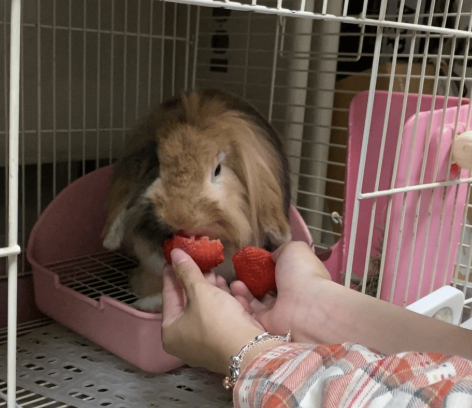
Fruits are the equivalent of fast food for rabbits. While they contain vitamins, their high fructose content makes them incredibly dangerous if fed in large quantities. A rabbit’s digestive system simply cannot process large amounts of sugar.
Strict Portion Control Rules
If you choose to feed fruit, it must be treated strictly as a high-value training treat. The golden rule is no more than 1 to 2 tablespoons of fruit per 5 pounds of body weight, and this should only be offered once or twice a week. Never feed seeds or pits, as many contain toxic cyanide compounds.
Expert Advice: Best Feeding Practices
- Introduce Slowly: When introducing a new vegetable or fruit, give a piece the size of a thumbnail and wait 24 hours to monitor their droppings.
- Wash Thoroughly: Always wash fresh produce to remove potentially lethal pesticides and chemicals.
- Serve Wet: Leaving a little water on the leafy greens after washing is a great way to sneak extra hydration into your rabbit’s diet.
Frequently Asked Questions (FAQ)
- Can rabbits eat carrots every day?
- No. Despite popular media portrayal, carrots are very high in sugar and carbohydrates. They should be treated as a treat, limited to a small slice once or twice a week.
- What happens if a rabbit eats iceberg lettuce?
- Iceberg lettuce contains a chemical compound called lactucarium, which can be harmful to rabbits. Furthermore, it consists mostly of water with zero nutritional value and can cause severe diarrhea.
- How do I know if my rabbit has GI stasis?
- Symptoms include a sudden loss of appetite, lethargy, a hunched posture, and a significant decrease or complete stop in fecal pellet production. This is a medical emergency requiring immediate veterinary care.
- Are bananas safe for rabbits?
- Bananas are safe in microscopic quantities, but they are highly addictive and packed with sugar. Limit banana treats to a slice no thicker than a quarter-inch, given rarely.
Animal care note: This article is for general education and owner awareness only. It is not veterinary diagnosis, treatment, emergency guidance, nutrition planning, or professional training advice. For illness, injury, diet changes, medications, behavioral risk, or urgent symptoms, consult a licensed veterinarian or qualified animal-care professional.