The Ultimate Guide to Human Foods for Dogs: What’s Safe and What’s Toxic
As dog owners, we often find ourselves looking into the pleading eyes of our furry companions as we eat, wondering if it’s safe to share a small bite. The question, “Can my dog eat this?” is a common one, and the answer is complex. While many human foods are perfectly safe and even healthy for dogs in moderation, others can be incredibly harmful or even fatal. This comprehensive guide will serve as your ultimate resource, breaking down which foods are safe, which should be strictly avoided, and how to share them responsibly.
Before introducing any new food into your dog’s diet, it is crucial to remember that their primary nutritional needs should be met by a high-quality, balanced commercial dog food. Human foods should be considered treats and should not make up more than 10% of their daily caloric intake. Always consult with your veterinarian before making significant changes to your dog’s diet, especially if they have underlying health conditions.
The Golden Rules of Sharing Human Food with Dogs
Before we dive into specific food items, it’s essential to establish some foundational rules for sharing. Following these guidelines will help ensure your dog’s safety and prevent accidental digestive upset or toxicity. These principles apply to all forms of human food, whether it’s a piece of fruit or a sliver of meat.
Go Slow and Start Small
When introducing a new food, always start with a very small amount. This allows you to monitor your dog for any signs of an allergic reaction or digestive intolerance, such as vomiting, diarrhea, skin rashes, or excessive itching. Every dog is an individual, and what works for one may not work for another. By introducing new items one at a time and waiting a day or two before trying something else, you can easily pinpoint the cause of any adverse reaction.
Preparation is Paramount
How a food is prepared is just as important as the food itself. Most foods should be served plain, without any added salt, sugar, oils, spices, or seasonings. Onions and garlic, for example, are common ingredients in human cooking but are toxic to dogs. Foods should be cooked (steamed or boiled is best) to aid digestion, and all fruits and vegetables should be thoroughly washed to remove pesticides. Always cut food into bite-sized pieces to prevent choking hazards.
Know the Caloric Impact
Obesity is a significant health problem in dogs and can lead to issues like joint pain, heart disease, and diabetes. Human foods, especially those high in fat or sugar, can contribute a surprising number of calories. Adhere to the 10% rule: treats, including human food, should not exceed 10% of your dog’s total daily calorie allowance. Use a calorie calculator or consult your vet to understand your dog’s specific needs based on their age, breed, and activity level.

Vet-Approved Safe Human Foods for Your Canine Companion
Many human foods can be a wonderful, nutrient-rich addition to your dog’s diet when given as a treat. These foods provide vitamins, minerals, and fiber that can supplement their regular meals. Here is a detailed breakdown of safe choices, categorized for your convenience.
Nutritious Vegetables Dogs Can Enjoy
Vegetables are low in calories and high in vitamins and fiber. They make excellent, crunchy treats.
- Carrots: An excellent low-calorie snack high in fiber and beta-carotene, which produces vitamin A. Chewing on raw carrots is also beneficial for your dog’s dental health.
- Green Beans: Plain green beans (canned, steamed, or raw) are a great choice. They are full of important vitamins and minerals, like iron and vitamins A, C, and K, and are a good source of fiber. Ensure any canned versions have no added salt.
- Broccoli: In small quantities, broccoli is a vitamin-rich treat. However, it contains isothiocyanates, which can cause mild to severe gastric irritation in some dogs. The stalks can also be a choking hazard, so serve in small, manageable florets.
- Sweet Potatoes: A great source of dietary fiber, vitamin B6, and vitamin C. They should be served cooked and plain (steamed or baked) with the skin removed, as the skin can be difficult for dogs to digest.
- Pumpkin: Pure, canned pumpkin (not pie filling) is a fantastic source of fiber that can help with both diarrhea and constipation. It is rich in vitamins and minerals that support overall health.
Healthy Fruits to Share in Moderation
Fruits are a sweet treat, but due to their sugar content, they should be given in moderation. Always remove seeds, pits, and stems before serving.
- Apples: A great source of vitamins A and C, as well as fiber. Apple slices are a crunchy, satisfying treat. Be absolutely sure to remove the core and all seeds, as they contain trace amounts of cyanide.
- Bananas: High in potassium, vitamins, and copper, bananas are a healthy treat but are also high in sugar, so they should be given sparingly. They are a low-calorie option compared to many other processed treats.
- Blueberries: A superfood rich in antioxidants, which prevent cell damage in both humans and canines. They are also packed with fiber and phytochemicals.
- Watermelon: Composed of 92% water, watermelon is a fantastic way to keep your dog hydrated on hot days. It’s full of vitamins A, B6, and C, as well as potassium. Remove all seeds and the rind before serving.
- Cantaloupe: This fruit is packed with nutrients, low in calories, and a great source of water and fiber. It’s also high in beta-carotene. Serve in moderation due to its sugar content.
Lean Meats and Fish for a Protein Boost
Cooked, unseasoned meats are a high-value treat for most dogs. Never feed raw meat due to the risk of bacteria like Salmonella and E. coli.
- Chicken: A staple in many dog foods, cooked, plain chicken is a great source of lean protein. Always remove the skin and bones. Cooked chicken bones can splinter and cause choking or internal damage.
- Beef: Lean ground beef or cuts of beef, cooked and drained of fat, provide essential amino acids, minerals, and vitamins. Avoid fatty cuts.
- Turkey: Similar to chicken, plain, cooked turkey is a safe and healthy protein source. Ensure it’s skinless and boneless, and free of any seasonings or additives like onion and garlic powder.
- Fish (Salmon & Sardines): Salmon is an excellent source of omega-3 fatty acids, which support a healthy immune system and can keep your dog’s coat shiny. It must be fully cooked. Canned sardines packed in water (with no added salt) are also a great choice.

Foods to Strictly Avoid: A Guide to Toxic Human Foods for Dogs
This section is critically important. The following foods are toxic to dogs and should never be given to them. If you suspect your dog has ingested any of these items, contact your veterinarian or an emergency pet poison hotline immediately.
The Dangers of Chocolate and Caffeine
Chocolate contains a substance called theobromine, which is toxic to dogs. They cannot metabolize it effectively, leading to a buildup in their system. The darker the chocolate, the more theobromine it contains, making baker’s chocolate and dark chocolate the most dangerous. Ingestion can cause vomiting, diarrhea, rapid heart rate, seizures, and even death. Caffeine, found in coffee, tea, and soda, has similar toxic effects.
Grapes, Raisins, and Their Link to Kidney Failure
Even a small amount of grapes or raisins can cause sudden, acute kidney failure in dogs. The exact toxic substance within them is unknown, but the effect is well-documented and can be fatal. There is no “safe” amount, and all dogs are susceptible. Signs of toxicity include vomiting, lethargy, and depression.
The Allium Family: Onions, Garlic, and Chives
All members of the allium family—including onions, garlic, chives, and leeks—are toxic to dogs in all forms (raw, cooked, powdered). They can cause damage to a dog’s red blood cells, leading to a condition called hemolytic anemia. Symptoms may not appear for several days and include weakness, pale gums, and an elevated heart rate.
Xylitol: The Hidden Sweetener Threat
Xylitol is an artificial sweetener found in a growing number of products, including sugar-free gum, candy, peanut butter, toothpaste, and baked goods. It is extremely toxic to dogs. Ingestion causes a rapid release of insulin, leading to a life-threatening drop in blood sugar (hypoglycemia). It can also cause severe liver failure. Always check labels, especially for “sugar-free” products.
Other Dangerous Items: Alcohol, Nuts, and More
A number of other common household items pose a threat:
- Alcohol: Can cause vomiting, diarrhea, decreased coordination, central nervous system depression, difficulty breathing, and death.
- Macadamia Nuts: Can cause weakness, vomiting, tremors, and hyperthermia in dogs. Symptoms usually appear within 12 hours of ingestion.
- Cooked Bones: They can easily splinter and cause choking, blockages, or lacerations in the digestive system.
- Yeast Dough: Raw bread dough can rise in a dog’s stomach, causing painful gas and potentially twisting the stomach (a condition known as bloat). The yeast also produces ethanol, leading to alcohol poisoning.

The Great Debate: Can Dogs Drink Milk?
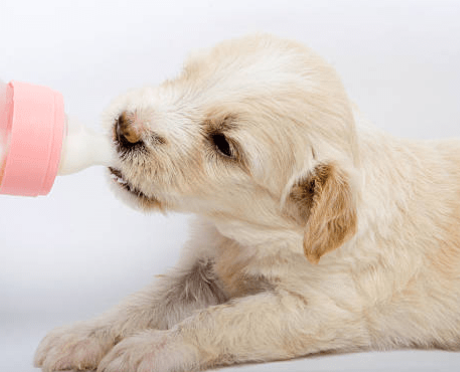
The image of a puppy lapping up a saucer of milk is a classic one, but it’s largely a misconception. While milk is not toxic to dogs in the way chocolate is, it can cause significant digestive problems for many. The core issue lies with a sugar found in milk called lactose.
Understanding Lactose Intolerance in Dogs
Just like some humans, many dogs are lactose intolerant. To digest lactose, the body needs an enzyme called lactase. Puppies have an abundance of lactase to help them break down their mother’s milk. However, as they are weaned and grow into adults, their bodies produce significantly less lactase. Without enough of this enzyme, they cannot properly digest the lactose in milk and other dairy products.
Symptoms of Lactose Intolerance
When an adult dog consumes milk, the undigested lactose travels to the large intestine, where it ferments and draws water in. This process can lead to a variety of uncomfortable symptoms, typically appearing within a few hours of consumption. Watch for these signs:
- Diarrhea
- Vomiting
- Gas and bloating
- Abdominal pain or discomfort
- Loose stools
Safe Dairy Alternatives for Dogs
While a saucer of milk is a bad idea, not all dairy is off-limits. Some products are lower in lactose and may be tolerated in very small amounts.
- Plain Yogurt: The live and active cultures in plain, unsweetened yogurt help break down the lactose, making it easier for some dogs to digest. It’s also a good source of probiotics.
- Cheese: Hard cheeses like cheddar or Swiss have lower levels of lactose. They can be used as a high-value training treat, but be mindful of their high fat content.

Best Practices for Preparing and Serving Human Food to Dogs
Successfully and safely incorporating human food treats into your dog’s diet requires careful attention to detail. Proper preparation and portioning are key to turning a potentially risky situation into a healthy, enjoyable experience for your pet.
Cooking and Preparation Methods
The best way to prepare food for your dog is to keep it simple and plain. Avoid the methods and ingredients you would use for your own meals.
- No Seasonings: Do not add salt, pepper, herbs, spices, oils, or butter. Many seasonings can upset a dog’s stomach, and some, like onion and garlic powder, are toxic.
- Choose Healthy Cooking Methods: Steaming, boiling, or baking without any added fats are the ideal ways to cook meats and vegetables. Frying adds unnecessary fat and calories.
- Remove All Hazards: Always remove bones from meat and fish. Cut away fatty parts and skin. For fruits, remove all seeds, pits, stems, and tough rinds.
- Cut to an Appropriate Size: To prevent choking, always chop food into pieces that are appropriately sized for your dog’s mouth and breed.
Portion Control and the 10% Rule
As mentioned earlier, treats should only make up a small fraction of your dog’s diet. The 10% rule is the most important guideline to follow. This means that the total calories from treats (including human food, dog biscuits, and dental chews) should not exceed 10% of their total recommended daily caloric intake. Overfeeding, even with healthy foods, leads to weight gain and can unbalance their diet, depriving them of essential nutrients they get from their complete-and-balanced dog food.
Introducing New Foods Safely
To avoid overwhelming your dog’s digestive system and to effectively monitor for allergies, follow a slow introduction process. Introduce only one new food at a time. Give them a very small piece and wait 24-48 hours to see if any negative reactions occur. If your dog shows any signs of digestive upset, skin issues, or other unusual behavior, discontinue that food and consult your vet.
Frequently Asked Questions (FAQ)
- What is the most dangerous human food for a dog?
- While several foods are highly toxic, Xylitol is arguably one of the most dangerous. It is found in many sugar-free products and can cause a rapid, fatal drop in blood sugar and severe liver failure from even a very small amount. Grapes and raisins are also extremely dangerous due to their potential to cause kidney failure.
- Can my dog eat table scraps from my plate?
- It is generally not a good idea. Food prepared for humans is often high in fat, salt, and seasonings like onions and garlic, which are harmful to dogs. These scraps can lead to digestive upset, pancreatitis (a serious inflammation of the pancreas), and contribute to obesity. It is always safer to prepare a small piece of plain, unseasoned food separately for your dog.
- How can I tell if my dog is having an allergic reaction to a new food?
- Signs of a food allergy or intolerance can include gastrointestinal issues like vomiting and diarrhea, as well as dermatological signs. Look for excessive scratching, licking of paws, skin rashes, hot spots, or recurrent ear infections. If you notice these symptoms after introducing a new food, stop giving it and consult your veterinarian.
- Is it safe to give my dog bones from meat I’ve cooked?
- No, you should never give your dog cooked bones. The cooking process makes them brittle, causing them to splinter easily when chewed. These sharp fragments can cause serious internal injuries, including choking, broken teeth, and punctures in the mouth, throat, stomach, or intestines. Raw bones can also pose risks and should only be given under supervision and after consulting with a vet.
- Are there any nuts that are safe for dogs to eat?
- Most nuts are best avoided. While plain, unsalted peanuts or peanut butter (without xylitol) are generally safe in moderation, many other nuts are problematic. Macadamia nuts are toxic, and others like almonds, walnuts, and pecans are high in fat, which can cause vomiting, diarrhea, and pancreatitis. They also pose a significant choking hazard.
Animal care note: This article is for general education and owner awareness only. It is not veterinary diagnosis, treatment, emergency guidance, nutrition planning, or professional training advice. For illness, injury, diet changes, medications, behavioral risk, or urgent symptoms, consult a licensed veterinarian or qualified animal-care professional.