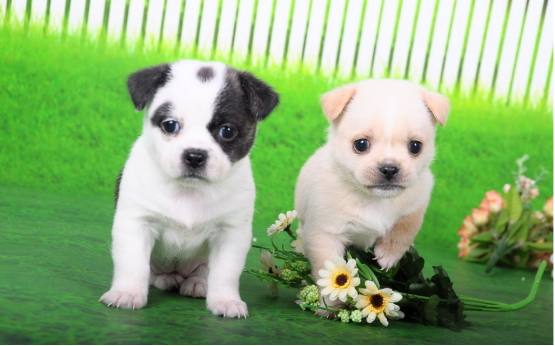
The Ultimate Guide to New Puppy Necessities and Essential Equipment
Preparing Your Home: The Ultimate Puppy Safe Zone
Welcoming a new puppy into your home is akin to bringing home a human toddler. They are naturally curious, prone to chewing, and unaware of household dangers. Before your new companion arrives, establishing a secure environment is the most critical first step. This goes beyond simply buying toys; it involves a strategic evaluation of your living space to prevent accidents and establish clear boundaries.
The Philosophy of Puppy-Proofing
Puppy-proofing is not about restriction; it is about safe exploration. Puppies explore the world through their mouths. Electrical cords, toxic houseplants, and small swallowable objects pose severe threats. By utilizing physical barriers like baby gates and playpens, you create a dedicated safe zone where your puppy can play unsupervised without risk.
Essential Safety Equipment Checklist
- Heavy-duty chew-proof electrical cord covers.
- Adjustable baby gates to block staircases and restricted rooms.
- A sturdy wire or plastic playpen for supervised playtime.
- Puppy-safe enzymatic cleaners for inevitable indoor accidents.

Essential Feeding and Nutrition Equipment
Nutrition forms the foundation of your puppy’s physical development, but the equipment you use to deliver that nutrition is equally important. The right bowls can prevent bacterial infections, reduce the risk of bloat, and establish healthy eating routines from day one.
Choosing the Right Food and Water Bowls
While plastic bowls are inexpensive, they are highly discouraged for puppies. Plastic easily scratches, creating microscopic crevices where harmful bacteria thrive, potentially leading to canine acne or gastrointestinal distress. Furthermore, aggressive chewers can ingest plastic shards.
| Bowl Material | Durability | Hygiene Level | Best For |
|---|---|---|---|
| Stainless Steel | Extremely High | Excellent (Dishwasher Safe) | Everyday food and water use. |
| Ceramic | Moderate (Can break) | High (If glazed properly) | Dogs with metal allergies. |
| Slow Feeder (BPA-Free) | High | Moderate (Requires scrubbing) | Fast eaters prone to choking. |
Pro Tip: The Value of Slow Feeders
Expert Advice: If your puppy inhales their food, immediately switch to a slow feeder bowl or a snuffle mat. Rapid eating can lead to Gastric Dilatation-Volvulus (bloat), a life-threatening condition. Slow feeders turn mealtime into a cognitive puzzle, tiring out your puppy mentally while protecting their digestion.

Sleep and Comfort: Crates, Beds, and Beyond
Puppies require up to 18-20 hours of sleep per day for proper neurological and physical development. Providing a dedicated, comfortable sleeping area is non-negotiable. This is where the crate becomes your most valuable tool.
The Science of Crate Training
Dogs are den animals by nature. A crate, when introduced positively, simulates a safe, enclosed den where the puppy can retreat when overwhelmed. It is also the most effective house-training tool available, as dogs naturally avoid soiling their sleeping quarters.
Sizing the Crate Correctly
The most common mistake new owners make is buying a crate that is too large. If the crate is too big, the puppy will sleep in one corner and eliminate in the other. Purchase a crate that fits your dog’s projected adult size, but ensure it comes with a divider panel. The usable space should only be large enough for the puppy to stand up, turn around, and lie down comfortably.
Training and Walking Gear Must-Haves
Early socialization and training set the trajectory for your dog’s entire life. Having the right equipment makes training sessions efficient, safe, and enjoyable for both of you.
Harnesses vs. Collars
While a flat collar is necessary for holding identification tags, it should never be used for walking a young puppy. Puppies have fragile tracheas that can be easily damaged if they pull on a leash. A well-fitted, front-clip harness distributes pressure evenly across the chest and provides the owner with better steering control.
The Training Toolkit
- Standard 6-Foot Leash: Avoid retractable leashes, which teach dogs to pull and offer zero control in emergency situations.
- High-Value Training Treats: Soft, smelly, and pea-sized treats for rapid rewards.
- Clicker: A mechanical clicker provides a distinct, consistent sound to mark desired behaviors instantly.
- Treat Pouch: A wearable pouch ensures you can reward good behavior within the critical 1-second reinforcement window.
Health, Grooming, and Wellness Supplies
Routine maintenance is a massive part of dog ownership. Acclimating your puppy to grooming tools early prevents fear and anxiety during future vet and groomer visits.
At-Home Grooming Essentials
Depending on your puppy’s coat type, your grooming needs will vary. However, universal necessities include puppy-safe shampoo (human shampoo disrupts their skin’s pH balance), a soft-bristle brush for desensitization, and heavy-duty nail clippers with a safety guard.
First-Aid Preparedness
Expert Advice: Always keep a canine first-aid kit in your home. This should include styptic powder (to stop bleeding if you cut a nail too short), canine-safe thermometer, sterile gauze, self-adhering bandages, and the contact information for your nearest 24-hour emergency veterinary clinic.
Frequently Asked Questions (FAQ)
- What are the absolute first things I should buy before bringing a puppy home?
- The non-negotiables for day one include an appropriately sized crate with a divider, a front-clip harness, a standard 6-foot nylon leash, high-quality puppy kibble, stainless steel bowls, and enzymatic urine cleaner.
- Why can’t I use a retractable leash for my new puppy?
- Retractable leashes maintain constant tension, which actively teaches the puppy to pull against you. They also offer no leverage to pull your dog out of a dangerous situation, and the thin cord can cause severe friction burns.
- How do I choose the right size bed for a growing puppy?
- In the early stages, avoid expensive beds as they will likely be chewed or soiled. Start with inexpensive, machine-washable fleece blankets inside the crate. Upgrade to a supportive, orthopedic bed once the puppy has finished teething and is fully potty-trained.
- Are pee pads a good idea for new puppies?
- While convenient for high-rise apartment dwellers, pee pads can prolong potty training. They teach the puppy that it is acceptable to eliminate indoors on soft, square surfaces, which can later be confused with rugs or bath mats. If possible, train directly to the outdoors.
Animal care note: This article is for general education and owner awareness only. It is not veterinary diagnosis, treatment, emergency guidance, nutrition planning, or professional training advice. For illness, injury, diet changes, medications, behavioral risk, or urgent symptoms, consult a licensed veterinarian or qualified animal-care professional.