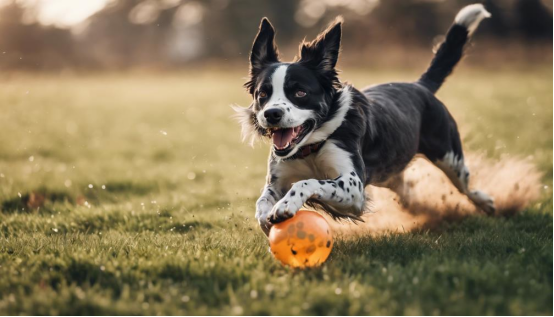
Ultimate Guide to Pet Photography: Mastering Portraits and Dynamic Action
The Fundamentals of Professional Pet Photography
Pet photography is a highly specialized genre that demands a unique intersection of technical mastery, environmental awareness, and deep animal psychology. Unlike human subjects, animals do not take verbal direction, making the photographer’s ability to anticipate movement and manipulate the environment absolutely critical. A successful pet photography session requires seamlessly blending the meticulous control of portraiture with the rapid-fire unpredictability of sports photography. To achieve professional results, photographers must first understand the fundamental behavioral triggers of their subjects, utilizing positive reinforcement, patience, and strategic positioning to elicit authentic expressions.
Understanding Animal Psychology and Behavior
The foundation of any successful pet photoshoot lies in the photographer’s ability to read and respond to animal body language. Before lifting the camera, it is vital to establish a rapport with the pet. This involves allowing the animal to sniff the equipment, acclimatize to the sound of the shutter, and feel secure in the shooting environment. Signs of stress, such as lip licking, yawning, or tucked tails in dogs, must be immediately recognized and mitigated. By creating a relaxed atmosphere, photographers can capture the true personality of the pet rather than a fearful or overly excited facade.
To consistently capture engaging and dynamic expressions, photographers rely on a variety of sensory triggers. It is important to rotate these triggers throughout the session to prevent the animal from becoming habituated and losing interest.
- Auditory Stimuli: Utilizing high-frequency squeakers, crinkling plastic, or specialized animal call apps to capture sudden, alert expressions with perked ears.
- Olfactory and Gustatory Rewards: Employing high-value treats (such as freeze-dried liver or cheese) to direct the animal’s gaze precisely toward the camera lens.
- Visual Engagement: Using favorite toys or sudden movements to encourage dynamic lunges, jumps, or playful pounces, essential for action photography.
By mastering these behavioral techniques, photographers ensure that the technical execution of the shot is matched by a compelling and emotionally resonant subject. The integration of psychology into the workflow is what separates amateur snapshots from professional, storytelling imagery.

Mastering Pet Portraiture: Capturing Soulful Expressions
Pet portrait photography is an intimate discipline focused on highlighting the unique character, texture, and emotion of an animal in a controlled or semi-controlled environment. The primary goal is to forge a visual connection between the viewer and the subject, which is almost exclusively achieved through sharp, well-illuminated focus on the animal’s eyes. Achieving this requires a meticulous approach to lighting, focal length selection, and compositional framing, ensuring that the background complements rather than distracts from the animal’s features.
Lighting Techniques for Fur and Eyes
Lighting is arguably the most complex element of pet portraiture due to the highly reflective nature of animal eyes and the light-absorbing qualities of dense fur. When utilizing natural light, overcast days provide a giant softbox effect, eliminating harsh shadows and preventing black fur from losing its detailed texture. In a studio setting, a multi-point lighting setup is often necessary. A strong key light provides the primary illumination, while a subtle fill light ensures that the darker areas of the coat retain their intricate details. Most importantly, the strategic placement of the light source must create “catchlights”—the tiny reflections of the light source in the animal’s eyes. Without catchlights, an animal’s eyes can appear lifeless and flat, completely destroying the emotional impact of the portrait.
Composition and Perspective
The perspective from which a pet is photographed drastically alters the psychological impact of the image. Shooting from a human’s standing height often results in a disconnected, dominant perspective that minimizes the pet’s presence. To create compelling portraits, photographers must physically lower themselves to the animal’s eye level.
Adopting an eye-level perspective immerses the viewer in the animal’s world. This technique not only improves the proportionality of the subject’s body but also allows for a shallower depth of field, effectively blurring the foreground and background to isolate the subject. Furthermore, utilizing compositional rules such as the rule of thirds or golden ratio helps in placing the animal’s eyes at intersecting points of interest, naturally drawing the viewer’s gaze directly into the soul of the portrait.

Dynamic Action Photography: Freezing High-Speed Motion
Transitioning from portraiture to dynamic action photography introduces an entirely new set of technical hurdles. Capturing a dog sprinting through a field, a cat leaping for a toy, or a horse galloping requires a deep understanding of exposure triangles specifically tailored for high-speed motion. The objective is to freeze the action with absolute clarity, eliminating motion blur while maintaining sharp focus on a subject that is rapidly changing its distance and position relative to the camera sensor.
Shutter Speed and Exposure Mastery
The absolute cornerstone of action photography is a fast shutter speed. While portraiture might allow for shutter speeds of 1/250th of a second, dynamic action demands speeds starting at 1/1000th of a second, often pushing up to 1/2000th or 1/4000th for incredibly fast subjects like agility dogs. Because the shutter is open for such a brief fraction of a second, less light reaches the sensor. To compensate for this, photographers must open their aperture wider (e.g., f/2.8 or f/4) and significantly increase their ISO. Modern camera sensors handle high ISO noise exceptionally well, making it a worthwhile trade-off to ensure a tack-sharp image of a moving animal.
Advanced Autofocus and Tracking Systems
Even with the correct exposure settings, an action shot is useless if the subject is out of focus. Static autofocus (AF-S) is entirely inadequate for moving subjects. Photographers must utilize Continuous Autofocus (AF-C or AI Servo) to ensure the lens constantly adjusts focus as the animal moves.
- Back-Button Focus: Decoupling the autofocus mechanism from the shutter release button allows photographers to track the subject continuously with their thumb while firing the shutter independently with their index finger, drastically reducing missed focal points.
- Dynamic Area and 3D Tracking: Utilizing the camera’s advanced tracking algorithms allows the autofocus system to lock onto the subject’s contrast or color, automatically shifting the focus points across the frame as the animal moves erratically.
- Burst Mode (Continuous Shooting): Engaging the camera’s highest frame rate (often 10 to 30 frames per second on modern mirrorless bodies) maximizes the chances of capturing the exact peak of action, such as the moment all four paws are off the ground.
Mastering these autofocus techniques requires extensive practice. Panning—moving the camera in sync with the subject’s trajectory—is also a vital skill, ensuring the subject remains in the center of the frame while the autofocus system does the heavy lifting of maintaining sharpness.

Essential Gear and Camera Settings for Pet Photography
The equipment utilized in pet photography dictates the technical boundaries of what can be captured. While entry-level gear can produce excellent results under perfect conditions, professional-grade bodies and lenses provide the speed, low-light performance, and focal compression necessary to consistently deliver breathtaking images across diverse environments.
Selecting the Perfect Lens
The lens is arguably more important than the camera body in pet photography. For portraiture, prime lenses such as a 50mm f/1.8, 85mm f/1.4, or a 135mm f/2 are highly favored. These lenses offer incredibly wide apertures, allowing for maximum light gathering and the creation of a beautiful, creamy bokeh (background blur) that isolates the pet perfectly. For dynamic action, telephoto zoom lenses are indispensable. The 70-200mm f/2.8 is the industry standard, providing the necessary reach to photograph a running dog from a safe distance while maintaining a fast aperture to freeze motion and separate the subject from distracting backgrounds.
Comparative Camera Settings Guide
Understanding how to quickly pivot between portrait and action settings is crucial during a mixed-discipline photoshoot. The following table outlines the baseline settings required for both styles, providing a quick reference guide for photographers in the field.
| Setting Parameter | Pet Portraiture Baseline | Dynamic Action Baseline |
|---|---|---|
| Shutter Speed | 1/250s – 1/500s | 1/1000s – 1/4000s |
| Aperture | f/1.4 – f/4.0 (for shallow depth) | f/2.8 – f/5.6 (to ensure subject is in focal plane) |
| ISO | 100 – 400 (keep as low as possible) | 800 – 3200+ (compensate for fast shutter) |
| Autofocus Mode | Single-Shot (AF-S) or Eye-AF | Continuous (AF-C / AI Servo) |
| Drive Mode | Single Shot or Low-Speed Burst | High-Speed Continuous (Burst Mode) |
These settings serve as a foundational starting point. Photographers must constantly evaluate the ambient light and the speed of the animal, making micro-adjustments to the exposure triangle to achieve the perfect balance between sharpness, depth of field, and image noise.
Advanced Post-Processing Techniques for Pet Images
The photographic process does not end when the shutter is pressed; post-processing is a vital component of modern pet photography. Editing software like Adobe Lightroom and Photoshop allows photographers to refine exposure, enhance colors, and remove distracting elements, transforming a good photograph into a stunning piece of art. The goal of post-processing should always be to enhance the natural beauty of the animal, avoiding overly saturated or highly manipulated looks that detract from the subject’s authenticity.
Color Correction and Detail Enhancement
When processing pet portraits, special attention must be paid to the animal’s fur and eyes. Utilizing targeted adjustment brushes, photographers can selectively increase the exposure and clarity in the iris, making the catchlights pop and bringing life to the expression. Furthermore, white balance correction is critical, especially when shooting indoors or under mixed lighting conditions, to ensure that white fur does not take on an unnatural blue or yellow color cast. Sharpening should be applied selectively, focusing primarily on the eyes and the snout, while allowing the out-of-focus background to remain soft and unobtrusive.
Frequently Asked Questions (FAQ)
- What is the best time of day for outdoor pet photography?
- The optimal times for outdoor pet photography are during the “Golden Hours”—the first hour after sunrise and the last hour before sunset. During these times, the sun is low on the horizon, providing soft, diffused, and warm directional light that eliminates harsh shadows and beautifully highlights the texture of an animal’s fur. Overcast days are also excellent as the clouds act as a massive natural softbox.
- How can I get a highly energetic dog to sit still for a portrait?
- Attempting to force an energetic dog to sit still immediately is usually counterproductive. The best strategy is to allow the dog to burn off excess energy first through play or a short run. Once they are slightly fatigued, use high-value rewards (like bits of hot dog or cheese) and rapid squeaky toys to capture their fleeting attention. Keep portrait sessions incredibly short—often just a few seconds of focus is enough to capture the perfect frame.
- Why are my action shots of running pets always blurry?
- Blurry action shots are typically caused by two factors: a shutter speed that is too slow, or an incorrect autofocus mode. To freeze a running pet, ensure your shutter speed is at least 1/1000th of a second. Additionally, you must switch your camera from Single Autofocus (AF-S) to Continuous Autofocus (AF-C or AI Servo) so the lens continually tracks the subject’s movement as it approaches the camera.
- Do I need a flash for pet photography?
- While natural light is preferred by many pet photographers due to its soft quality and non-intrusive nature, flash can be highly effective if used correctly. In a studio setting, off-camera strobes modified with large softboxes are essential. However, direct, on-camera flash should be avoided as it creates harsh shadows, causes “green-eye” (the animal equivalent of red-eye), and can easily startle or frighten the pet.