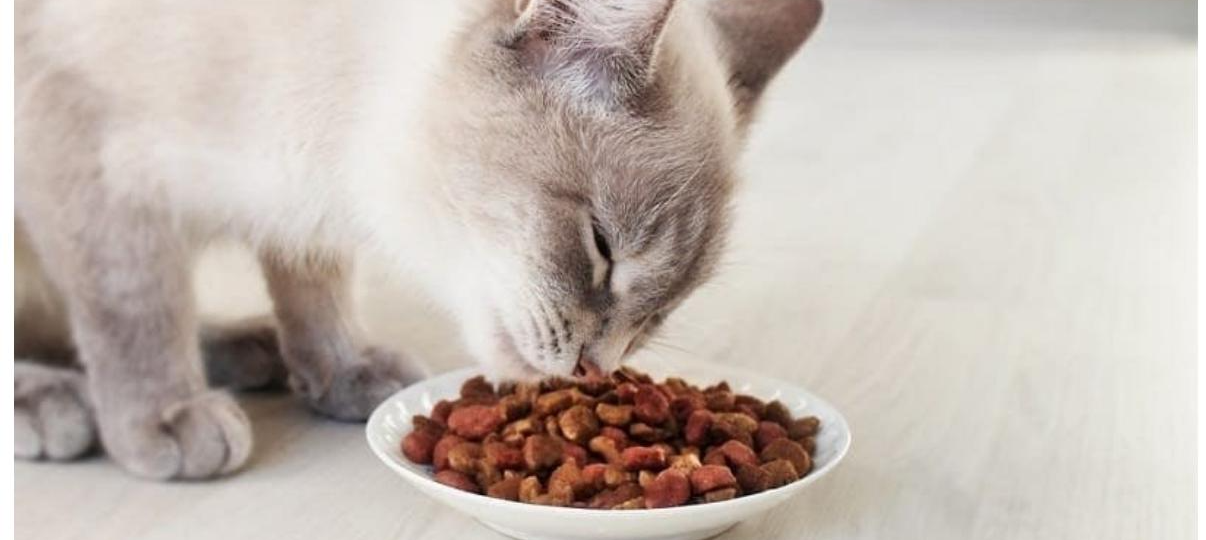
Ultimate Guide to Training Siamese & Maine Coon Cats
Understanding the Intelligence and Temperament of Siamese and Maine Coon Cats
Embarking on a journey to train pedigree felines requires a profound understanding of their ancestral background, genetic predispositions, and unique psychological profiles. The Siamese and the Maine Coon represent two entirely different spectrums of the feline world, yet both share an incredibly high capacity for learning and human interaction. Recognizing these inherent traits is the absolute foundation of any successful behavioral modification or trick training program. Attempting a one-size-fits-all approach will inevitably lead to frustration, as the motivations driving a sleek, vocal oriental breed are vastly different from those motivating a rugged, cold-weather working cat.
The Siamese Psychological Profile
Originating from the ancient temples of Thailand, the Siamese cat is renowned for its striking appearance and equally piercing vocalizations. These cats are not just pets; they are demanding, highly interactive companions that require immense amounts of mental stimulation. Their intelligence is sharp and fast-paced. A Siamese cat that is left under-stimulated will quickly channel its intellect into destructive behaviors, such as opening cabinets, unrolling toilet paper, or excessively vocalizing (yowling) for attention. They are deeply bonded to their primary caregivers and often exhibit dog-like loyalty, making them prime candidates for interactive training. However, their stubborn streak means that training sessions must be fast, highly engaging, and strictly reward-based to maintain their fleeting attention spans.
The Maine Coon Behavioral Blueprint
In stark contrast, the Maine Coon—often affectionately termed the “gentle giant” of the cat world—hails from the harsh climates of northeastern America. Historically employed as ship cats and farm mousers, they possess a robust, easygoing temperament combined with a methodical, problem-solving intellect. Maine Coons are fascinated by water, highly dexterous with their large, tufted paws, and possess a natural retrieving instinct. While they are less demanding of immediate attention compared to the Siamese, they are highly food-motivated and eager to please. Their training pace is generally more deliberate. They excel in tasks that require physical engagement, such as fetching, leash walking, and puzzle-solving, thriving on the collaborative bond built during these activities.

Essential Preparations and Tools for Feline Training
Before initiating any formal training regimen, establishing the correct environment and acquiring the proper tools is non-negotiable. Felines, regardless of breed, are highly sensitive to environmental stressors. A chaotic, noisy room will immediately shut down a cat’s willingness to learn. You must designate a quiet, distraction-free “training zone” where the cat feels secure. Furthermore, the reliance on punishment or negative reinforcement is strictly prohibited; felines do not associate physical reprimands with their actions in a constructive way. Instead, they will simply learn to fear the handler. The entire methodology must be built upon positive reinforcement, utilizing classical and operant conditioning principles.
Building Your Training Toolkit
The core of feline training relies on precise timing and high-value rewards. A standard clicker is the most effective tool for marking desired behaviors. The sharp, distinct sound of the clicker bridges the gap between the exact moment the cat performs the correct action and the delivery of the reward. Target sticks are also invaluable, particularly for guiding cats into specific positions without physically manipulating their bodies, which most cats detest.
- The Clicker: A small mechanical device that emits a consistent sound. It must be “charged” prior to training by repeatedly clicking and immediately offering a treat until the cat associates the sound with a reward.
- High-Value Reinforcers: Standard dry kibble is rarely sufficient. You must utilize premium, highly aromatic treats such as freeze-dried chicken, tuna flakes, or specialized lickable purees. The reward must be small enough to consume in two seconds to keep the training momentum flowing.
- Target Stick: A telescopic pointer, often with a small ball on the end. This is used to teach the cat to follow a target, forming the basis for complex movements like spinning, jumping through hoops, or entering a carrier.
- Proper Harnessing: For Maine Coons and Siamese destined for outdoor training, a well-fitted, H-style or vest harness is required to prevent escape and ensure physical comfort.
| Tool/Equipment | Primary Function | Breed Specific Application |
|---|---|---|
| Standard Clicker | Behavioral marking and exact timing | Essential for fast-moving Siamese; highly effective for Maine Coons. |
| Target Stick | Guiding movement without physical force | Great for teaching Maine Coons to utilize their large paws; helps focus the easily distracted Siamese. |
| Lickable Treats | Continuous positive reinforcement | Perfect for keeping Siamese engaged; excellent for desensitizing Maine Coons to grooming. |

Core Training Techniques for Vocal and Energetic Siamese Cats
Training a Siamese cat requires matching their high energy and rapid cognitive processing. These cats bore easily, so sessions must be kept strictly under five minutes, ideally conducted two to three times a day. Because of their inherent desire to communicate, you can actually harness their vocalizations rather than suppressing them. Furthermore, their sleek, athletic build makes them exceptional candidates for agility training, which serves the dual purpose of mental stimulation and physical exhaustion, leading to a calmer household companion.
Harnessing Vocalization for Command Training
Siamese cats are famously chatty. While excessive yowling can be a nuisance, you can train your Siamese to “speak” on command, which paradoxically helps control unwanted noise. By capturing the behavior—waiting for the cat to meow, immediately clicking, and rewarding—you can attach a verbal cue like “Speak!” Once the cat understands that vocalizing on command yields a reward, you can introduce the “Quiet” command by rewarding the silence that immediately follows the meow. This advanced level of operant conditioning gives the Siamese a structured outlet for their natural communicative instincts.
Managing High Energy Levels Through Agility
To prevent destructive behavior, Siamese cats need to burn off their kinetic energy. Setting up a feline agility course in your living room is an excellent strategy. Using the target stick, you can guide your Siamese over small hurdles, through collapsible play tunnels, and weaving through cones. Begin by placing a treat at the end of a short tunnel. Once the cat comfortably walks through, introduce the clicker. Gradually increase the complexity of the course. The physical exertion combined with the intense mental focus required to follow the target stick will deeply satisfy the Siamese cat’s working drive.

Effective Strategies for Training the Gentle Giant Maine Coon
The Maine Coon’s training regimen should leverage their robust physicality, their dog-like devotion, and their natural predatory instincts. Unlike the hyperactive Siamese, Maine Coons are generally more deliberate in their actions. They are highly observant and will often watch a demonstration before attempting a task. Their large size means that physical manipulation is out of the question; they must be willing participants. Because they are deeply food motivated and enjoy carrying objects in their mouths, they excel at retrieval games and structured outdoor excursions.
Leash Training and Outdoor Exploration
Due to their size and confident nature, Maine Coons make excellent adventure cats. However, leash training must be a gradual, systematic process. Rushing this will result in a panicked, thrashing cat. Begin by simply leaving the harness near their food bowl for several days. Progress to draping it over their back during meal times, and eventually snapping it closed for brief intervals indoors, rewarding heavily with high-value freeze-dried proteins. Once the cat walks normally indoors with the harness and leash, you can venture to a quiet, enclosed outdoor space. Allow the Maine Coon to dictate the pace; you are there to supervise, not to drag them like a dog.
Fetch and Retrieval Exercises
Many Maine Coons naturally possess a retrieving instinct, often bringing their owners toys to initiate play. You can formalize this into a reliable “fetch” command. Start with a favorite, easily carried toy, such as a crinkle ball or a small plush mouse. Toss it a short distance. When the cat pounces on it, sound your clicker. If the cat picks it up, click and toss a treat near your feet. The cat will drop the toy to eat the treat. Repeat this process, gradually requiring the cat to bring the toy closer to you before clicking and treating. This taps directly into their ancestral working heritage and provides immense psychological satisfaction.

Advanced Behavioral Modification and Trick Training
Once foundational commands such as sit, target, and come are mastered, you can progress to advanced trick training and necessary behavioral modifications. This phase requires immense patience and a deep understanding of shaping—breaking down a complex behavior into tiny, manageable approximations. Whether you are teaching a multi-step parlor trick to impress guests or correcting a deeply ingrained behavioral issue like inappropriate scratching, the principles of consistency and timing remain paramount.
Correcting Unwanted Scratching and Nipping
Both Siamese and Maine Coons can develop problematic habits if their needs are not met. Siamese may nip out of overstimulation, while Maine Coons, with their massive claws, can destroy furniture. To modify scratching, you must provide an acceptable alternative that matches the texture and orientation (vertical or horizontal) of the forbidden object. Place a sturdy scratching post directly in front of the scratched furniture. Apply double-sided sticky tape to the furniture. When the cat uses the post, click and reward lavishly. For nipping, the moment teeth touch skin, play stops immediately. You must freeze, withdraw attention, and walk away. This negative punishment (removing the desirable stimulus of play) quickly teaches the highly social cat that biting ends the fun.
Complex Multi-Step Tricks
Teaching a cat to “High Five” or “Sit Pretty” engages their core musculature and cognitive reasoning. To teach a High Five, hold a treat securely in your closed fist and present it at the cat’s shoulder height. Most cats will sniff, and when that fails, they will reach out with a paw to investigate. The exact millisecond the paw touches your hand, click, open your hand, and deliver the treat. As the cat consistently taps your hand, introduce the verbal cue “High Five” and gradually transition to an open, empty palm, rewarding from your other hand. Maine Coons, with their large paws, are particularly adept at this, while Siamese will execute the move with lightning speed.

Troubleshooting Common Training Challenges in Pedigree Cats
Even with the most meticulously planned training protocols, handlers will inevitably encounter roadblocks. Felines are notoriously independent, and their willingness to cooperate can fluctuate based on environmental factors, satiety, or simple mood. Understanding how to navigate these challenges without damaging the human-animal bond is what separates a novice owner from a master feline behaviorist. It is critical to analyze the root cause of the training failure rather than blaming the animal.
Overcoming Stubbornness and Attention Deficits
If your Siamese suddenly refuses to participate or your Maine Coon walks away mid-session, you have likely exceeded their threshold for attention or frustration. Cats do not possess the desire to please just for the sake of pleasing; the transaction must be mutually beneficial. If a cat is struggling, you must lower the criteria for the reward. Go back to a simpler trick they know well, reward heavily, and end the session on a positive note. Never force a cat to continue training; this will only breed resentment and make future sessions exponentially more difficult.
Addressing Food Apathy During Sessions
A common issue, particularly with free-fed cats, is a lack of motivation for treats. If a cat has constant access to a bowl of kibble, they have no economic incentive to work for a reward. To resolve this, transition to scheduled meal times. Conduct your training sessions right before their scheduled meals when their hunger drive is peaking. Additionally, ensure you are utilizing a hierarchy of treats. Standard treats might work for easy tasks in a quiet room, but learning a complex new behavior or training outdoors requires “jackpot” treats—items they exclusively receive during training, such as tiny pieces of roasted salmon or plain chicken breast.
Long-term Maintenance of Good Feline Behavior
Training is not a finite event; it is a lifelong dialogue between you and your cat. The cognitive pathways developed during the initial months of training must be continuously exercised to prevent behavioral regression. A well-trained Siamese or Maine Coon requires ongoing mental challenges to remain a balanced, peaceful member of the household. Incorporating training into daily routines ensures that the behaviors become second nature.
Instead of setting aside dedicated training times as the cat matures, integrate commands into their daily life. Ask your Maine Coon to “Sit” before placing their food bowl on the floor. Have your Siamese “Target” a specific spot on the couch before you initiate a grooming session. Utilize puzzle feeders to make them work for their daily caloric intake. By consistently enforcing the rules of engagement and rewarding positive behavior, you solidify the profound, interactive bond that makes sharing your life with these extraordinary pedigree breeds so immensely rewarding.
Frequently Asked Questions (FAQ)
- Q1: At what age should I start training my Siamese or Maine Coon kitten?
- Training should begin the moment the kitten arrives in your home, typically around 8 to 12 weeks of age. Kittens are highly receptive to new experiences, making this the perfect time to introduce the clicker, desensitize them to handling, and begin foundational commands like target training and name recognition.
- Q2: My Maine Coon hates being picked up. Can training help with this?
- Yes, absolutely. You can use systematic desensitization and counter-conditioning. Start by clicking and rewarding just for allowing you to place your hands on their sides. Gradually increase the pressure, then lift them an inch off the ground, rewarding heavily. Never force the hold. Over time, the cat will associate being lifted with high-value rewards.
- Q3: Why does my Siamese cat meow incessantly even after a training session?
- Siamese cats are genetically predisposed to vocalization, but excessive yowling often points to unfulfilled needs. Ensure the training session was mentally taxing enough. If the cat is physically healthy and simply demanding attention, you must practice “extinction”—completely ignoring the vocalization and only rewarding the cat with attention when they are quiet.
- Q4: Can I train my cat if they are not food motivated at all?
- While food is the easiest reinforcer, it is not the only one. Many cats, particularly high-prey-drive breeds like the Siamese, will work for access to a favorite toy, like a feather wand or a laser pointer. You can use a brief play session as the reward for a successfully executed command.
- Q5: How long does it take to leash train a Maine Coon?
- Leash training timeline varies wildly depending on the individual cat’s confidence. It can take anywhere from two weeks to several months. The key is micro-progressions. If you rush the harness introduction, the cat will develop an aversion. Patience, consistency, and keeping the cat strictly below their stress threshold are mandatory for success.
Animal care note: This article is for general education and owner awareness only. It is not veterinary diagnosis, treatment, emergency guidance, nutrition planning, or professional training advice. For illness, injury, diet changes, medications, behavioral risk, or urgent symptoms, consult a licensed veterinarian or qualified animal-care professional.