Unique Aquatic Wonders: A Guide to Marine and Freshwater Marvels
The aquatic world is a realm of unparalleled diversity, housing creatures that have evolved specialized traits to thrive in environments ranging from vibrant coral reefs to murky river basins. Understanding these species requires a deep dive into their biological mechanisms, behavioral patterns, and the ecological niches they occupy. This guide synthesizes the latest knowledge on four distinct aquatic icons: the Lionfish, the Hawkfish, the Seahorse, and the Electric Eel.
The Lionfish: Majestic Predator with a Venomous Edge
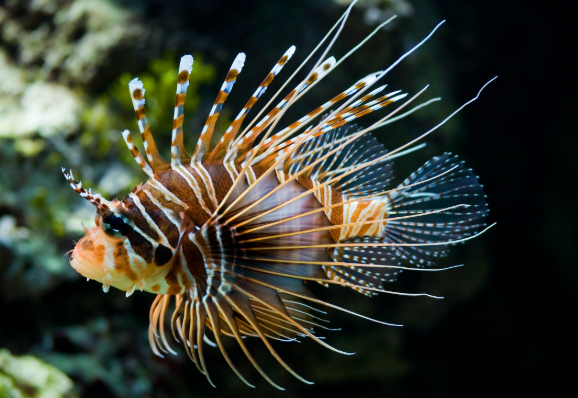
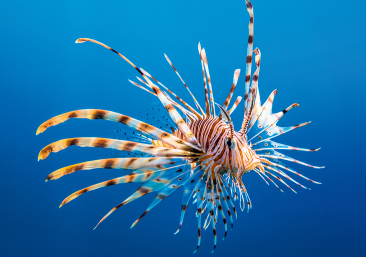
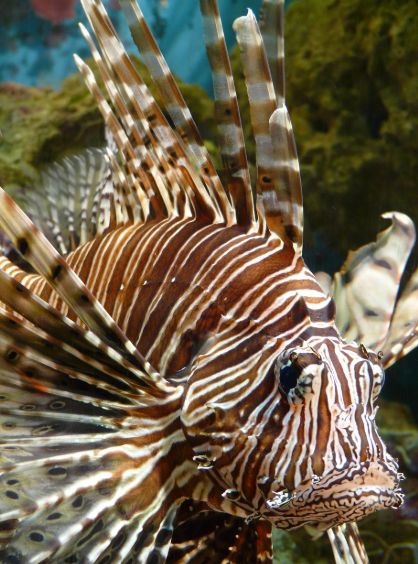
The Lionfish (Pterois) is a symbol of “poisonous elegance,” known for its dramatic fan-like pectoral fins and bold warning coloration. While native to the Indo-Pacific, they have become a notorious invasive species in the Atlantic and Caribbean, where their lack of natural predators and voracious appetite threaten local biodiversity.
Anatomy of Venomous Spines
The most striking feature of the Lionfish is its array of 18 venomous spines. These include 13 dorsal spines, 2 pelvic spines, and 3 anal spines. Each spine is covered by a glandular sheath that contains a potent neuromuscular toxin. When the spine pierces a predator or an accidental handler, the sheath is compressed, releasing the venom into the wound. This defense mechanism is purely protective; Lionfish do not use their venom to capture prey, but rather to ensure their survival against larger groupers or sharks.
Predatory Temperament and Hunting Strategy
Despite their slow-moving appearance, Lionfish are highly efficient hunters. They utilize a unique “cornering” technique, using their expansive pectoral fins to herd small fish into tight spaces before striking with lightning speed. Their stomachs can expand up to 30 times their normal size, allowing them to consume prey nearly half their own body length. This metabolic flexibility makes them formidable competitors in any ecosystem they inhabit.
The Hawkfish: Silent Guardians of the Coral Reef
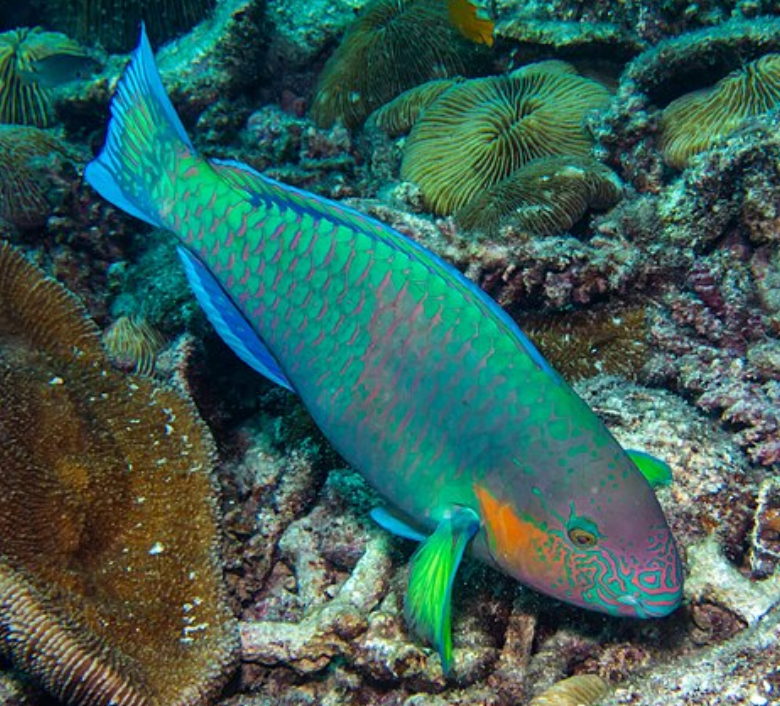
Belonging to the family Cirrhitidae, Hawkfish are the “sentinels” of the tropical ocean. Unlike most fish that swim constantly in the water column, Hawkfish are benthic dwellers, spending the majority of their time perched atop coral heads, watching for prey or intruders with independent, swivel-like eyes.
The Benthic Lifestyle: Living Without a Swim Bladder
One of the most significant evolutionary adaptations of the Hawkfish is the reduction or total absence of a swim bladder. While this prevents them from maintaining neutral buoyancy in open water, it allows them to sink quickly and remain anchored on the seafloor or coral branches without expending energy. Their thickened pectoral fin rays act like “stamped feet,” providing stability against strong currents. This lack of buoyancy is a strategic trade-off, favoring a low-energy, ambush-based lifestyle over active pursuit.
Symbiotic Relationships and Ecological Niche
Hawkfish are often found in close association with Acropora and Pocillopora corals. They provide a degree of protection for the coral by preying on small invertebrates that might damage the polyps, while the coral provides the Hawkfish with a high-vantage hunting ground and protection from larger predators. This relationship highlights the intricate interdependency found within reef ecosystems.
Seahorses: The Delicate Knights of the Underwater Realm
Seahorses (genus Hippocampus) are perhaps the most biologically unconventional fish in the ocean. Their horse-like heads, prehensile tails, and upright swimming posture set them apart from all other marine life. Often referred to as the “little knights,” they navigate the seagrass beds and mangroves with a quiet, armored dignity.
Extraordinary Biology and Reproduction
The most famous aspect of seahorse biology is their reproductive cycle, where the male carries the developing embryos. After a complex courtship dance that can last for days, the female deposits eggs into the male’s brood pouch. The male then fertilizes the eggs internally and carries them for 9 to 45 days. This unique strategy ensures a higher survival rate for the offspring compared to fish that broadcast spawn their eggs into the open ocean.
Masterful Camouflage and Survival Tactics
Because seahorses are poor swimmers, they rely on camouflage and structural defense. Their bodies are covered in bony plates rather than scales, acting as a suit of armor. Many species can change color to match their surroundings or grow skin filaments to mimic seagrass. Their prehensile tail allows them to anchor themselves to vegetation during storms, preventing them from being swept away by the tide.
The Electric Eel: Harnessing the Power of Nature
Found in the murky waters of the Amazon and Orinoco river basins, the Electric Eel (Electrophorus electricus) is not actually an eel but a member of the gymnotiform knifefish family. It is a master of electrogenesis, capable of generating massive electrical discharges for both hunting and self-defense.
The Mechanics of Electrogenesis
The body of an electric eel contains three specialized organs: the Main organ, the Hunter’s organ, and the Sach’s organ. These organs are made up of thousands of specialized cells called electrocytes. When the eel identifies prey or a threat, its brain sends a signal through the nervous system to these cells, causing them to discharge simultaneously. A large adult can produce a shock of up to 860 volts, enough to stun a human or immobilize a large caiman.
Strategic Hunting and Sensory Perception
In the low-visibility waters of the Amazon, the Electric Eel uses low-voltage pulses from its Sach’s organ for electrolocation, effectively “seeing” its environment through electrical fields. When hunting, it emits high-voltage doublets that cause the muscles of hidden prey to twitch involuntarily, revealing their location. Once detected, the eel delivers a full-power discharge to paralyze the prey before consuming it whole.
Comparative Analysis of Aquatic Adaptations
The following table summarizes the primary survival mechanisms of these four unique species, illustrating the diverse ways aquatic life has adapted to the challenges of their respective environments.
| Species | Primary Environment | Key Adaptation | Primary Defense |
|---|---|---|---|
| Lionfish | Coral Reefs (Indo-Pacific/Atlantic) | Venomous Spines | Neuromuscular Toxins |
| Hawkfish | Tropical Coral Heads | Lack of Swim Bladder | Benthic Camouflage |
| Seahorse | Seagrass & Mangroves | Prehensile Tail / Male Pregnancy | Bony Armor & Camouflage |
| Electric Eel | Amazon/Orinoco Rivers | Electrogenesis | High-Voltage Discharges |
Frequently Asked Questions (FAQ)
- Q1: Are Lionfish dangerous to humans?
- Yes, the venom in Lionfish spines can cause extreme pain, swelling, and in rare cases, respiratory distress in humans. While rarely fatal, a sting requires immediate medical attention, often involving soaking the wound in hot water to denature the protein-based toxins.
- Q2: Why do Hawkfish sit on coral instead of swimming?
- Hawkfish lack a swim bladder, making active swimming energy-intensive. By perching on coral, they conserve energy and use their elevated position to ambush small crustaceans and fish that pass by.
- Q3: How many babies can a male seahorse carry?
- Depending on the species, a male seahorse can carry anywhere from 50 to over 1,500 embryos in his brood pouch. The survival rate of these fry is significantly higher than that of most fish species due to this parental care.
- Q4: Can an Electric Eel kill a human?
- While a single shock from an electric eel is rarely enough to kill a healthy adult human directly, it can cause heart failure or physical incapacitation leading to drowning in deep water. Multiple shocks are significantly more dangerous.
- Q5: Can these species be kept in home aquariums?
- Lionfish, Hawkfish, and Seahorses are popular in the marine aquarium hobby, but they require specialized care. Electric Eels are generally not suitable for home aquariums due to their size (up to 8 feet) and the danger posed by their electrical output.