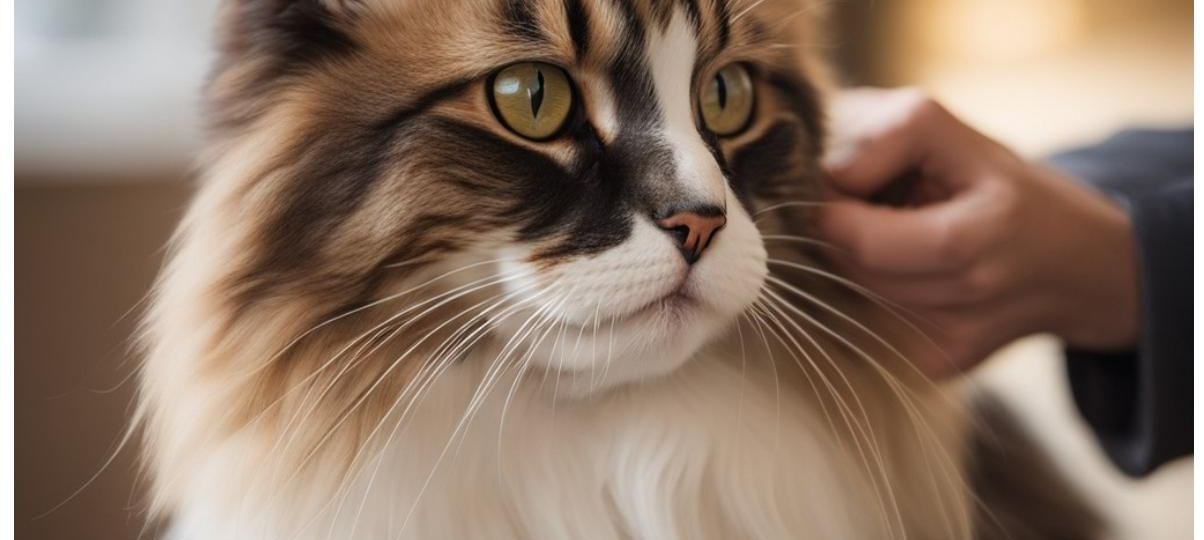
The Complete Guide to Long-Haired Cat Grooming and Humane Claw Care
Welcoming a feline companion into your home brings immense joy, but it also introduces a set of crucial physical maintenance responsibilities. For owners of long-haired breeds—such as Persians, Maine Coons, and Ragdolls—the commitment to grooming is paramount to prevent painful skin conditions and severe coat matting. Simultaneously, managing a cat’s innate need to scratch often leads owners down a complex path of behavioral training and claw care. Historically, some owners turned to declawing to protect their furniture, but modern veterinary medicine strongly advocates against this surgical procedure in favor of humane alternatives.
This comprehensive pillar guide synthesizes the critical aspects of feline physical maintenance. We will explore the specialized techniques required to groom long-haired cats effectively, delve into the biological mechanisms behind scratching behavior, unpack the harsh medical realities of the declawing procedure, and provide actionable, humane alternatives that respect your cat’s natural instincts while protecting your home environment.
The Essentials of Long-Haired Cat Grooming
Long-haired cats possess a complex double coat consisting of a dense, insulating undercoat and longer, coarser guard hairs on the surface. While these magnificent coats provide warmth and protection, they are highly susceptible to tangling and matting if not meticulously maintained. Unlike short-haired cats that can generally self-groom effectively, long-haired felines require daily human intervention to distribute natural skin oils, remove loose fur, and prevent the formation of painful pelts.
Daily Brushing Techniques and Essential Tools
Establishing a daily brushing routine is the cornerstone of long-haired cat care. Attempting to groom a dense coat with standard, low-quality brushes will only skim the surface, leaving the problematic undercoat untouched. To effectively penetrate the fur down to the skin, owners must utilize a combination of specialized grooming tools designed specifically for high-volume coats.
- The Slicker Brush: Featuring fine, short wires positioned closely together, a high-quality slicker brush is highly effective at removing loose fur and dander from the undercoat. It should be used with gentle, sweeping motions to avoid scratching the cat’s delicate skin.
- The Greyhound Comb: A stainless steel comb with both wide and narrow teeth is essential for checking your work. After using the slicker brush, running a metal comb through the fur ensures that no hidden tangles remain near the skin level.
- Undercoat Rakes: During heavy shedding seasons (typically spring and fall), an undercoat rake can gently pull out massive amounts of dead hair without cutting the healthy guard hairs.
Managing Mats and Tangles Safely
Even with diligent brushing, mats can occasionally form in high-friction areas such as behind the ears, under the armpits, and around the hindquarters. A mat is a dense cluster of tangled hair that pulls tightly on the skin, causing severe discomfort and potentially leading to restricted movement or bacterial skin infections.
It is a critical safety rule that owners must never use scissors to cut mats out of a cat’s fur. Feline skin is exceptionally thin and highly elastic; it can easily be pulled up into the blades of the scissors, resulting in severe lacerations that require emergency veterinary suturing. Instead, owners should use a specialized mat splitter to gently break the tangle apart, or carefully use electric pet clippers to shave the mat away from the skin safely.

Understanding Cat Claws and Scratching Behavior
To properly manage a cat’s claws and address unwanted scratching, one must first understand that scratching is not a malicious act of destruction, but a deeply ingrained, biologically necessary behavior. Punishing a cat for scratching is entirely ineffective because it contradicts their evolutionary instincts. Instead, owners must seek to understand the anatomy of the claw and the multifaceted reasons behind the scratching action.
The Biological Need to Scratch
Scratching serves several vital physiological and psychological functions for felines. When a cat drags its claws down a surface, it is engaging in a complex territorial marking ritual. Cats have interdigital scent glands located between their paw pads; scratching deposits their unique pheromones onto the object, claiming the space and providing a sense of security.
Furthermore, scratching provides a full-body isometric stretch, engaging the muscles of the back, shoulders, and forelimbs. It is also the mechanism by which cats shed the dead, frayed outer keratin husks of their claws, revealing the sharp, healthy new nail underneath. Without the ability to scratch, a cat’s physical health and emotional well-being will rapidly deteriorate.
Feline Claw Anatomy
Unlike human nails that grow flat from the cuticle, a cat’s claws are tightly curved and highly specialized. They are retractable, remaining hidden within the paw to stay sharp and allow for silent stalking, only extending when the cat flexes specific tendons. The center of the claw contains the quick, a sensitive bundle of nerves and blood vessels. Understanding the location of the quick is vital for safe nail trimming, as cutting into it causes acute pain and profuse bleeding.

The Medical Reality of Declawing (Onychectomy)
For decades, declawing was presented as a standard, routine solution to household scratching. However, as veterinary science has advanced, the global consensus has shifted dramatically against the procedure. Declawing, medically known as an onychectomy, is not merely the permanent removal of the nail; it is a major orthopedic surgery with profound, lifelong implications for the animal.
Surgical Breakdown of the Onychectomy Procedure
To permanently prevent claw regrowth, the surgeon cannot simply remove the keratin nail. The procedure requires the complete amputation of the third phalanx (P3)—the last bone of each toe. To contextualize this in human terms, it is equivalent to severing every finger and toe at the first knuckle. The surgery involves slicing through bone, tendons, nerves, and ligaments, either with a scalpel, a guillotine-style clipper, or a surgical laser.
Long-Term Physical and Behavioral Consequences
The aftermath of an onychectomy extends far beyond the initial, highly painful recovery period. Because cats are digitigrade animals—meaning they walk directly on their toes rather than the soles of their feet—removing the last bone forces them to alter their natural gait. This unnatural weight distribution frequently leads to chronic back pain, joint stiffness, and premature arthritis.
Behaviorally, declawed cats often exhibit severe psychological distress. Stripped of their primary means of defense and territory marking, they frequently resort to secondary defense mechanisms, resulting in a statistically significant increase in aggressive biting. Additionally, the phantom pain or chronic discomfort in their paws often causes them to associate the coarse texture of cat litter with pain, leading to lifelong litter box avoidance and inappropriate elimination around the house.

Humane and Effective Alternatives to Declawing
Recognizing the severe ethical and medical concerns associated with declawing, numerous countries and local jurisdictions have outright banned the procedure. Fortunately, protecting your furniture and coexisting peacefully with an indoor cat does not require surgical amputation. A multi-faceted approach utilizing environmental enrichment and routine maintenance is highly effective.
Environmental Enrichment and Scratching Posts
The most effective way to stop a cat from scratching the sofa is to provide a more appealing, sanctioned alternative. Cats have specific preferences for scratching angles and textures. Owners must provide a variety of scratching posts placed in socially significant areas of the home, not hidden away in a corner.
| Scratching Material | Texture Profile | Cat Preference & Benefits |
|---|---|---|
| Sisal Rope/Fabric | Rough, sturdy, highly shreddable. | Mimics tree bark perfectly. Excellent for catching claws and providing resistance for a deep stretch. Highly durable. |
| Corrugated Cardboard | Soft, highly destructible, noisy. | Provides instant gratification as it shreds easily. Ideal for horizontal scratchers. Cost-effective and easy to replace. |
| Natural Wood | Solid, natural bark texture. | Appeals to feral instincts. Great for heavy, vertical scratching, though it can be messy indoors. |
| Carpet | Looped, soft. | Not Recommended. Using carpet teaches the cat that household carpets are acceptable scratching targets, and looped fibers can painfully snag claws. |
Vinyl Nail Caps and Behavioral Modification
For persistent scratchers, vinyl nail caps (such as Soft Paws) offer an excellent, non-invasive solution. These small, blunt plastic caps are glued directly over the cat’s natural, trimmed claws using a safe, veterinary-grade adhesive. They last for approximately four to six weeks, falling off naturally as the cat’s claw grows and sheds its outer sheath. While wearing nail caps, the cat can still extend and retract its claws and perform the scratching motion, but the blunt tips prevent any damage to furniture or human skin.

Integrating Claw Care into Your Grooming Routine
The secret to successful feline maintenance is holistic integration. By combining long-haired coat grooming with routine claw care, you can create a predictable, stress-free routine that your cat accepts and even enjoys. Desensitization is the key; cats must be taught from a young age that human handling of their paws and fur is a positive experience.
Step-by-Step Guide to Stress-Free Nail Trimming
Routine nail trimming every 10 to 14 days blunts the sharp tips of the claws, significantly reducing the damage caused by incidental scratching. To perform a nail trim safely, follow these structured steps:
- Acclimation: Begin by gently massaging your cat’s paws during their daily brushing sessions. Reward them with high-value treats so they associate paw handling with positive outcomes.
- The Press and Extend: Gently press the top and bottom of the cat’s toe. This action forces the retractable claw to extend fully, giving you a clear view of the nail structure.
- Identifying the Quick: Look closely at the extended claw. You will see a pinkish, opaque area near the base—this is the quick, containing the blood supply. The tip of the claw will be clear or white.
- The Safe Cut: Using sharp, feline-specific nail clippers, snip off only the clear, curved tip of the nail, ensuring you stay at least two millimeters away from the pink quick.
- Pacing: If the cat becomes agitated, stop immediately. It is perfectly acceptable to trim only one or two claws per day rather than forcing a full manicure in a single, stressful session.

Professional Grooming vs. At-Home Maintenance
While daily at-home care is mandatory for long-haired cats, there are specific scenarios where professional intervention is not just helpful, but medically necessary. Recognizing the limits of your own grooming abilities is a crucial part of responsible pet ownership.
Recognizing When Veterinary Intervention is Necessary
If a long-haired cat develops a solid pelt—where the mats have fused together into a single, impenetrable sheet of fur across their body—at-home brushing is no longer an option. Attempting to brush out a pelt will cause excruciating pain and tear the skin. In these severe cases, a professional groomer or a veterinarian must perform a “lion cut,” carefully shaving the coat down to the skin under mild sedation to relieve the cat’s suffering.
Similarly, if a cat becomes highly aggressive or panicked during nail trimming attempts, risking injury to either the human or the feline, it is best to schedule routine trims with a veterinary technician. They are trained in safe, low-stress handling techniques that complete the process swiftly and securely.
Frequently Asked Questions (FAQ)
- How often should I brush my long-haired cat?
- Long-haired cats require daily brushing. A quick 10-minute session every day with a slicker brush and metal comb is far more effective at preventing mats than a single, hour-long session once a week. Consistency prevents the undercoat from tangling.
- Is declawing illegal?
- The legality of declawing varies by region. It is completely banned in dozens of countries, including the UK, Australia, and much of Europe. In the United States, several states (such as New York and Maryland) and numerous major cities have outlawed the procedure due to its inhumane nature.
- What should I do if I accidentally cut the quick during a nail trim?
- Do not panic. If you nick the quick, the claw will bleed, but it is rarely life-threatening. Immediately apply styptic powder (or cornstarch/flour in an emergency) directly to the bleeding tip and apply gentle pressure for a few seconds to encourage clotting. Give your cat a treat and halt the grooming session for the day.
- Do vinyl nail caps hurt the cat?
- No, when applied correctly, nail caps are completely painless and non-toxic. They are designed to fit over the claw without touching the cuticle or the quick, allowing the cat to fully retract and extend their claws naturally. Most cats adjust to wearing them within a few hours.
- How can I stop my cat from scratching my specific couch?
- First, clean the couch with an enzymatic cleaner to remove the cat’s territorial pheromones. Next, apply double-sided sticky tape (like Sticky Paws) to the targeted areas, as cats despise sticky textures. Finally, place a sturdy sisal scratching post directly next to the couch to provide an immediate, acceptable alternative.
Animal care note: This article is for general education and owner awareness only. It is not veterinary diagnosis, treatment, emergency guidance, nutrition planning, or professional training advice. For illness, injury, diet changes, medications, behavioral risk, or urgent symptoms, consult a licensed veterinarian or qualified animal-care professional.