The Ultimate Guide to Soulful Pet Photography: Capturing Personality and Mastering Monochrome
Pet photography is an art form that transcends merely documenting an animal’s appearance. At its best, it’s a profound exploration of character, a “window into the soul” that reveals the unique personality of our beloved companions. A truly great pet portrait captures the mischievous glint in a cat’s eye, the boundless joy of a dog in mid-leap, or the quiet dignity of a senior pet. This guide delves into the essential techniques for capturing these fleeting moments of pure personality. Furthermore, we will explore how stripping away color and embracing monochrome photography can elevate your images, creating timeless, emotionally charged art that focuses on form, texture, and the raw essence of your pet’s spirit.
Understanding Your Pet’s Unique Personality
Before you even pick up the camera, the most critical work begins. Capturing personality requires a deep understanding of your subject. Every pet has a distinct character, a set of quirks, and a unique way of interacting with the world. Your primary goal is to become a student of their behavior, allowing you to anticipate moments rather than just reacting to them. This foundational knowledge is the difference between a generic photo and a portrait that truly feels alive.
The Importance of Observation Before the Shoot
Set aside dedicated time to simply watch your pet. Don’t interfere or try to direct them. Observe their natural rhythms and behaviors. Where is their favorite spot to nap in the sun? What toy elicits the most energetic response? How do they greet you when you come home? These observations are your creative fuel. A dog that is obsessed with a particular ball can be photographed in a state of focused intensity, while a cat that loves to groom in a sunbeam presents an opportunity for a serene, peaceful portrait. Document these moments mentally or in a notebook to build a “shot list” of personality-driven ideas.
Creating a Comfortable and Natural Environment
A stressed or anxious pet will never reveal its true self. The environment of the photoshoot is paramount. It should be a space where your pet feels safe, comfortable, and confident. For most animals, this will be their own home or a familiar backyard. Introducing a pet to a new, sterile studio environment can often lead to tense, unnatural poses. Ensure the space is free from overwhelming distractions or potential threats. Use their favorite toys, blankets, or treats to create positive associations with you and the camera. Patience is your greatest tool; allow them ample time to acclimate and forget the camera is even there.
Translating Personality Traits into Photographic Concepts
Once you’ve identified key personality traits, brainstorm how to translate them visually. This is where your creative direction comes into play. Think about how to stage a scene that encourages the behavior you want to capture.
- For the Playful Pet: Use fast shutter speeds to freeze action. Get down on their level to capture the intensity of playtime. Toys that squeak or crinkle can be used to direct their gaze and create an alert expression.
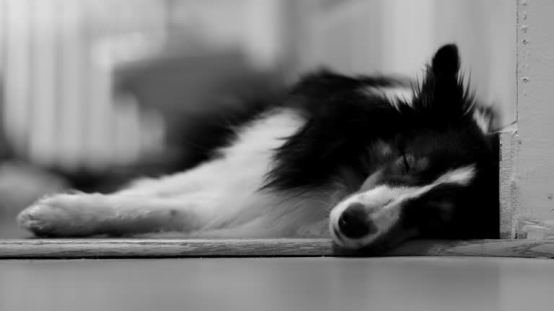
- For the Calm & Cuddly Pet: Utilize soft, natural light, perhaps from a window. Focus on close-up shots of them resting, yawning, or cuddling. A shallow depth of field can blur the background, making the pet the serene focal point.
- For the Curious Explorer: Take them to a safe outdoor environment. Capture them investigating new smells, textures, and sights. A wide-angle lens can emphasize their smallness in a big, exciting world.
- For the Goofy Clown: Be ready for the unexpected. Use a continuous shooting mode (burst mode) to capture silly expressions, “zoomies,” or clumsy moments that are bursting with character.

Essential Techniques for Capturing Expressive Moments
With a solid understanding of your pet’s personality, you can now employ specific technical and compositional strategies to bring that character to life in your photos. It’s the fusion of emotional insight with technical skill that produces powerful imagery. Mastering your camera settings and how you frame your subject are non-negotiable skills for impactful pet photography.
Mastering Focus: The Eyes as the Window to the Soul
This is the golden rule of portrait photography, and it is doubly true for pets. The eyes convey a vast range of emotions, from excitement and curiosity to love and contentment. Always make the eyes your primary point of focus. Use a single-point autofocus mode to precisely place your focus point on the eye closest to the camera. For a more dramatic effect, use a wide aperture (e.g., f/1.8 to f/2.8) to create a shallow depth of field. This technique will render the eyes tack-sharp while softly blurring the background, drawing the viewer directly into the pet’s gaze and creating a powerful connection.
Shutter Speed for Action and Stillness
Your choice of shutter speed must match your pet’s energy level. A mismatch here can ruin a perfect moment. For high-energy pets that are running, jumping, or playing, you need a fast shutter speed (1/1000s or faster) to freeze the motion crisply and avoid blur. Conversely, for a sleeping or resting pet, you can use a slower shutter speed, which allows more light into the camera—just be sure to hold the camera steady or use a tripod to prevent camera shake.
Using Perspective and Angles to Convey Character
Shooting from a standing position, looking down at your pet, is the most common but least effective angle. It creates a sense of detachment and can make the pet look small and submissive. To truly enter their world and capture their perspective, you must get down on their level. Lie on the floor, sit in the grass, and shoot from their eye level. This simple change in perspective creates a more intimate and engaging portrait. Experiment with other angles as well: shoot from slightly below to make a small pet look heroic and grand, or use a top-down “bird’s-eye view” for a unique, graphic composition as they look up at you.

The Power of Monochrome: Elevating Pet Portraits to Art
While color photography captures the world as we see it, black and white photography captures the world as we feel it. Removing color is not a limitation; it is a powerful artistic choice that can distill an image down to its emotional core. For pet photography, monochrome can transform a simple snapshot into a profound piece of art, emphasizing the timeless bond between humans and their animal companions.
Why Black and White? Stripping Away Distractions
Color can sometimes be a distraction. A brightly colored toy, a busy background, or even clashing color tones can pull the viewer’s attention away from the main subject. By converting an image to black and white, you immediately remove these distractions. The viewer is forced to engage with the more fundamental elements of the photograph: the subject’s expression, the interplay of light, and the composition. This simplification helps to amplify the emotional content of the image.
Emphasizing Form, Texture, and Shape
Without color, the brain pays closer attention to other visual cues. Monochrome photography is the ultimate medium for showcasing texture and form. The intricate patterns of a cat’s fur, the rough texture of a dog’s nose, the sleek lines of a graceful hound, or the powerful musculature of a playing puppy are all rendered with heightened impact. The image becomes a tactile experience, inviting the viewer to appreciate the physical details of the animal in a way that color sometimes obscures.
Using Light and Shadow to Sculpt and Define
In black and white, light and shadow (chiaroscuro) become primary characters in your story. Contrast is key. Strong directional light, like that from a window or during the “golden hour,” creates deep shadows and bright highlights that can sculpt your pet’s features. This contrast adds drama, depth, and a three-dimensional quality to the photograph. You are no longer just taking a picture; you are painting with light, using it to define contours and guide the viewer’s eye through the frame, creating a mood that can be dramatic, soft, or mysterious.

Practical Guide to Shooting and Editing for Personality
Fusing the goals of capturing personality with the artistic potential of monochrome requires a practical workflow. This involves careful preparation before the shoot, quick thinking during the shoot, and thoughtful intention during the editing process. Here is a step-by-step approach to ensure you get the best possible results.
Pre-Shoot Preparation Checklist
Success is often determined before the camera is even turned on. A little preparation goes a long way.
- Location Scouting: Identify areas with the best natural light. Look for clean, uncluttered backgrounds that won’t distract from your pet.
- Gear Check: Ensure your batteries are fully charged and you have an empty memory card. Choose a lens appropriate for your goal (e.g., a prime lens with a wide aperture for portraits, a zoom lens for action).
- Prop & Treat Prep: Gather your pet’s favorite toys and some high-value treats. A squeaky toy can be invaluable for getting a classic head-tilt shot.
- Pet Prep: A quick brushing can make your pet’s coat look its best. A tired pet is a calm pet, so consider a play session before a portrait session to burn off excess energy.
In-the-Moment Tips for Engaging Your Pet
During the shoot, your role is part photographer, part playmate. Stay flexible and positive.
- Use Burst Mode: Pets are unpredictable. Using your camera’s continuous shooting mode allows you to capture a sequence of shots, increasing your chances of catching that one perfect expression.
- Make Strange Noises: Whistling, clicking your tongue, or making other unusual sounds can pique your pet’s curiosity and get them to look directly at the camera with an alert, engaged expression.
- Reward and Praise: Keep the session positive and fun. Offer frequent praise and treats to ensure your pet associates the camera with a good experience. Keep sessions short to avoid burnout.
Post-Processing: Enhancing Emotion in Color and B&W
Editing is where you refine your vision. Whether in color or black and white, your goal is to enhance the mood, not fundamentally change the image. For black and white conversions, don’t just click “desaturate.” Take control of the process. In your editing software, use the B&W mixer panel to adjust the brightness of the original colors. For example, if your dog has brown fur, you can adjust the red and yellow sliders to make their coat lighter or darker, creating more or less contrast with the background. Add a touch of clarity or texture to emphasize fur detail, and use dodging and burning to guide the viewer’s eye to the most important parts of the image, like the eyes.
Frequently Asked Questions (FAQ)
- What is the best lens for pet photography?
- A prime lens like a 50mm f/1.8 or an 85mm f/1.8 is excellent for portraits. The wide aperture allows for beautiful background blur that makes your pet pop. For action shots, a zoom lens like a 70-200mm is more versatile, allowing you to capture your pet from a distance without disturbing them.
- How do I get my pet to look at the camera?
- The easiest way is to hold a treat or a squeaky toy right above your lens. This will draw their gaze directly to the camera. You can also have a helper stand behind you to call their name or make interesting noises. Be ready to press the shutter the moment you get their attention.
- Is natural light always better than flash for pets?
- Natural light is generally preferred as it’s less startling for animals and creates a softer, more pleasing look. The harsh, direct light from an on-camera flash can create red-eye and scare your pet. If you must use artificial light, use an off-camera flash bounced off a ceiling or wall to create softer, more directional light.
- When should I convert a pet photo to black and white?
- A photo is a great candidate for black and white conversion when it has strong compositional elements, interesting textures, and good contrast between light and shadow. If the color in the photo is distracting or doesn’t add to the story, converting to monochrome can often strengthen the image’s emotional impact by focusing the viewer on form and expression.
- How can I capture the personality of a shy or nervous pet?
- Patience is paramount. Use a long lens to give them space so you don’t feel intrusive. Let them get used to the sound of the shutter by taking photos of the environment first. Move slowly and speak in a calm, soothing voice. Capturing them in their favorite safe space, like their bed, can also help them feel more secure. The goal is to become a quiet observer, capturing candid moments rather than forcing poses.