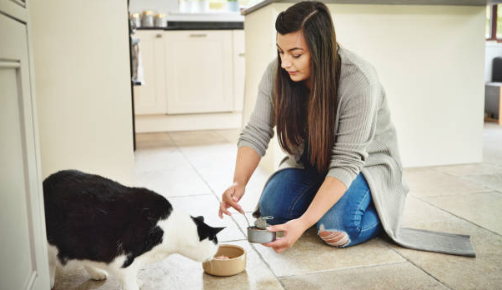
Holistic Pet Ownership: Sustainable Care, Diet, and Environmental Impact
Understanding Pet Eating Habits and Human Dietary Insights
The relationship between pets and their food is more complex than simply filling a bowl; it’s a mirror reflecting our own dietary understanding and often, our misunderstandings. By observing the natural eating behaviors and nutritional requirements of our companion animals, we gain profound insights into the principles of balanced nutrition that are equally applicable, albeit with species-specific adaptations, to human health. This section delves into the fundamental differences and surprising parallels between pet and human diets, highlighting common pitfalls and opportunities for adjustment.
The Natural Canine and Feline Diet: A Foundation for Health
Understanding what dogs and cats naturally consume provides a critical baseline for formulating their diets. Dogs, while often considered omnivores, evolved from wolves and thrive on a diet rich in animal protein, moderate fats, and minimal carbohydrates. Their digestive systems are optimized for processing meat and bone. Cats, on the other hand, are obligate carnivores, meaning their survival is entirely dependent on nutrients found only in animal tissue. They lack the metabolic pathways to synthesize certain essential amino acids (like taurine) and vitamins (like Vitamin A) from plant sources, making a meat-centric diet non-negotiable for their health.
- Canine Dietary Needs: Dogs require high-quality animal protein for muscle maintenance and repair, essential fatty acids for skin and coat health, and digestible carbohydrates for energy. While they can process some plant matter, it should not be the primary energy source.
- Feline Dietary Needs: Cats need a diet extremely high in animal protein and fat, with very low carbohydrates. Their bodies are designed to derive energy almost exclusively from protein and fat, making plant-based or high-carb diets detrimental over time.
- Misconceptions: Many commercial pet foods, particularly for dogs, often contain excessive fillers like corn, wheat, and soy, which are cheap sources of calories but offer limited nutritional value and can lead to digestive issues or allergies in sensitive animals.
Humanizing Pet Diets: A Path to Imbalance
One of the most common mistakes pet owners make is projecting human dietary preferences and nutritional theories onto their pets. This “humanization” often leads to feeding inappropriate foods, which can have severe health consequences. For instance, while a varied diet is often lauded for humans, pets thrive on consistency, especially cats. Introducing a wide array of human foods, particularly those high in sugar, salt, or fats, can disrupt their delicate digestive systems and lead to nutrient deficiencies or obesity.
- Harmful Human Foods: Foods like chocolate, grapes, onions, garlic, and xylitol (a common artificial sweetener) are highly toxic to pets. Even seemingly benign foods like excessive dairy can cause digestive upset due to lactose intolerance.
- Over-Treating and Obesity: Sharing table scraps or giving too many treats high in calories can quickly lead to pet obesity, a growing epidemic that contributes to diabetes, joint problems, and heart disease in animals, mirroring human health crises.
- Nutrient Imbalance: Attempting to create homemade diets without expert veterinary nutritional guidance often results in critical nutrient deficiencies or excesses, as balancing vitamins, minerals, and macronutrients for pets is a complex science.
Lessons from Pets for Human Dietary Adjustments
Paradoxically, by observing our pets’ unadulterated dietary needs, we can glean valuable lessons for our own eating habits. Pets often eat simply, consistently, and without the emotional baggage or complex social rituals that often complicate human diets. Their clear responses to appropriate versus inappropriate food highlight the importance of whole, unprocessed ingredients and understanding our body’s fundamental needs.
- Focus on Whole Foods: Just as pets thrive on species-appropriate, minimally processed foods, humans benefit from diets rich in whole grains, lean proteins, fruits, and vegetables, reducing reliance on highly processed, additive-laden foods.
- Mindful Eating: Pets eat when hungry and stop when full (mostly). This instinctual approach contrasts with human tendencies to eat out of boredom, stress, or social obligation. Practicing mindful eating, paying attention to hunger and satiety cues, can improve human dietary health.
- Understanding Nutritional Needs: Learning about specific amino acids, vitamins, and minerals crucial for pet health encourages a deeper understanding of our own micronutrient requirements beyond just calories.

The Environmental Paw Print: Why Eco-Friendly Pet Care Matters
As our understanding of global environmental challenges deepens, it becomes increasingly clear that every aspect of human activity, including pet ownership, carries an ecological cost. The concept of an “environmental paw print” encapsulates the collective impact pets have on the planet, from the resources consumed to the waste generated. Recognizing this impact is the first step towards adopting more sustainable practices that benefit not only the environment but also the long-term health and well-being of our beloved companions. This section meticulously dissects the various components of this paw print and underscores the urgency of integrating eco-friendly approaches into daily pet care routines.
Deconstructing the Pet’s Ecological Impact
The environmental footprint of a pet is multifaceted, extending far beyond the immediate waste produced. It encompasses the entire lifecycle of pet products, the sourcing of ingredients, energy consumption, and the disposal of byproducts. Understanding these components is crucial for identifying actionable areas for improvement.
- Pet Food Production: This is arguably the largest contributor to a pet’s environmental impact. The global pet food industry relies heavily on livestock farming, which is a significant source of greenhouse gas emissions, land degradation, and water consumption. Producing meat-based pet food demands vast agricultural resources, including feed for livestock, land for grazing, and water for irrigation and processing.
- Waste Generation: Pet waste, particularly dog feces, contributes to pollution if not properly managed. It can contaminate water sources with bacteria (e.g., E. coli) and parasites, and its decomposition releases methane, a potent greenhouse gas. Beyond biological waste, the packaging from pet food, treats, and toys adds to landfill burden, often consisting of non-recyclable plastics.
- Product Lifecycle: From pet accessories like beds, collars, and toys to grooming products and medications, the manufacturing, transportation, and disposal of these items consume resources and generate waste. Many products are made from non-sustainable materials and have short lifespans, leading to frequent replacement and increased environmental strain.
- Energy Consumption: Heating and cooling homes for pets, running pet-related appliances (e.g., automatic feeders, filters for aquariums), and the energy used in the production and distribution of all pet-related goods contribute to energy consumption and associated emissions.
The Imperative for Green Pet Care
The call for eco-friendly pet care is not merely a trend; it’s a necessary evolution in responsible pet ownership. By mitigating the environmental impact of our pets, we contribute to broader ecological health, which in turn safeguards the natural world that provides us with clean air, water, and biodiversity. Furthermore, many sustainable practices offer direct benefits to pets, such as healthier diets and safer products free from harsh chemicals.
- Resource Conservation: Adopting sustainable practices, such as choosing pet food with responsibly sourced ingredients or reducing waste, directly contributes to conserving natural resources like land, water, and energy.
- Pollution Reduction: Proper waste management, opting for biodegradable products, and minimizing chemical use in pet care help reduce air, water, and soil pollution.
- Biodiversity Protection: Reducing the demand for unsustainable resources, especially in pet food, can alleviate pressure on ecosystems and contribute to the protection of biodiversity.
- Healthier Pets: Eco-friendly pet care often involves choosing natural, non-toxic products and nutritious diets, which can lead to fewer health issues for pets, reducing veterinary visits and medication use.

Sustainable Pet Diet: Choices for Healthier Pets and Planet
The cornerstone of eco-friendly pet ownership lies in the bowl. Pet food production represents the most significant environmental impact of companion animals, making conscious dietary choices paramount for a healthier planet and a healthier pet. Moving beyond conventional options requires an understanding of alternative protein sources, ethical sourcing, and the benefits of minimizing processing. This section explores innovative and responsible pet food options, offering practical guidance for making informed decisions that support both animal well-being and ecological sustainability.
Exploring Alternative Protein Sources
Traditional pet foods often rely on large-scale livestock farming, which is resource-intensive. Diversifying protein sources can dramatically reduce the environmental footprint while still providing complete nutrition. These alternatives are gaining traction for their sustainability benefits and often offer novel nutrient profiles.
- Insect-Based Proteins: Insects like black soldier fly larvae are highly sustainable, requiring significantly less land, water, and feed than traditional livestock. They are also highly digestible and rich in protein, essential amino acids, and healthy fats, making them an excellent hypoallergenic option for sensitive pets.
- Plant-Based Diets: For dogs, well-formulated plant-based diets can be nutritionally complete, utilizing proteins from legumes, grains, and vegetables. These diets drastically reduce the environmental impact associated with meat production. However, it’s crucial that these diets are balanced by veterinary nutritionists to ensure all essential nutrients are met. For cats, strictly plant-based diets are not recommended due to their obligate carnivorous nature.
- Novel Proteins: Proteins from less common sources like venison, rabbit, or fish (sustainably sourced) can also offer a more environmentally friendly alternative compared to beef or chicken, especially if sourced locally and ethically. These can also be beneficial for pets with common protein allergies.
Prioritizing Ethical Sourcing and Production
Beyond the type of protein, the way ingredients are sourced and processed plays a critical role in a pet food’s sustainability profile. Supporting brands that prioritize ethical and environmentally responsible practices is key.
- Locally Sourced Ingredients: Choosing pet food made with ingredients sourced from local farms reduces transportation emissions and supports local economies. It also often means fresher ingredients.
- Pasture-Raised and Organic Meats: When choosing meat-based diets, look for certifications like “pasture-raised,” “grass-fed,” or “organic.” These indicate more humane animal welfare standards and often more sustainable farming practices that minimize pesticide use and promote soil health.
- MSC-Certified Fish: For fish-based pet foods, ensure the fish is Marine Stewardship Council (MSC) certified, guaranteeing that it comes from sustainable fisheries that minimize environmental impact and prevent overfishing.
- Minimally Processed Foods: Raw, gently cooked, or freeze-dried diets often involve less energy-intensive processing than traditional kibble. These options can also retain more natural nutrients, benefiting pet health.
Reducing Food Waste and Packaging
Even the most sustainable food choice can have its impact amplified by waste. Strategies to reduce food waste and opt for eco-friendly packaging are essential components of a sustainable pet diet.
- Portion Control: Overfeeding not only leads to pet obesity but also wastes food. Follow feeding guidelines strictly and adjust based on your pet’s activity level and body condition.
- Bulk Buying and Refill Programs: Where available, purchasing pet food in larger, recyclable bags or participating in pet food refill programs can significantly reduce single-use plastic waste.
- Recyclable and Biodegradable Packaging: Support brands that use packaging made from recycled materials, are easily recyclable, or are compostable and biodegradable.
- Composting Leftovers: If safe and appropriate, uneaten wet food or certain raw food scraps can be composted, diverting organic waste from landfills. Always check local composting guidelines.

Green Pet Products and Practices: Reducing Your Pet’s Ecological Impact
The journey towards holistic, eco-friendly pet ownership extends beyond the food bowl to every product and practice involved in daily pet care. From the toys they play with to the way we manage their waste, conscious choices can significantly reduce our pets’ environmental footprint. This section provides a comprehensive guide to selecting sustainable pet products and adopting green practices that minimize waste, conserve resources, and promote a healthier planet without compromising on the quality of care for our beloved animals.
Sustainable Choices for Pet Essentials
Every item we purchase for our pets has an origin and an end-of-life impact. Opting for products made from recycled, natural, or durable materials can make a substantial difference.
- Eco-Friendly Toys:
- Material Matters: Choose toys made from natural fibers like hemp, organic cotton, or wool. Recycled materials, such as repurposed plastic bottles (RPET) or upcycled rubber, are also excellent choices.
- Durability and Longevity: Invest in high-quality, durable toys that will last, reducing the need for frequent replacements and minimizing waste.
- DIY Toys: Consider making simple toys from old clothes, cardboard rolls, or other safe household items.
- Sustainable Beds and Accessories:
- Natural Fillings: Look for beds filled with recycled materials, organic cotton, buckwheat hulls, or cedar shavings.
- Washable Covers: Beds with removable, washable covers extend their lifespan and reduce the need for full bed replacement.
- Upcycled Furniture: Repurpose old furniture or blankets to create cozy pet resting spots.
- Grooming Products:
- Natural and Biodegradable: Select shampoos, conditioners, and wipes made with natural, non-toxic, and biodegradable ingredients. Avoid products with harsh chemicals, artificial fragrances, or parabens.
- Water Conservation: Be mindful of water usage during bathing. Consider waterless shampoos or dry grooming methods when appropriate.
- Bowls and Feeders:
- Durable Materials: Opt for bowls made from stainless steel, ceramic, or glass, which are durable, easy to clean, and long-lasting compared to plastic.
- Avoid Plastic: Plastic bowls can harbor bacteria, scratch easily, and may leach chemicals into food and water over time.
Responsible Waste Management
Pet waste, if not managed correctly, can be a significant environmental pollutant. Adopting responsible disposal methods is crucial for protecting local ecosystems and public health.
- Biodegradable Waste Bags: Use compostable or biodegradable poop bags made from plant-based materials like cornstarch. Always dispose of them in designated waste bins.
- Composting Pet Waste (with caution): Some specialized pet waste composting systems exist, but they require careful management to ensure pathogens are destroyed. This is generally not suitable for home compost piles used for gardening. Always research and follow specific guidelines.
- Eco-Friendly Cat Litter:
- Natural Materials: Choose litters made from recycled paper, wood pellets, corn, wheat, or tofu. These are often biodegradable and can sometimes be flushed (check local regulations) or composted (again, with caution and specialized systems).
- Clumping vs. Non-Clumping: Natural clumping litters often use fewer chemicals and can be more efficient, reducing overall litter usage.
Reducing Overall Consumption and Embracing Circularity
The most impactful green practice is often to simply buy less and make what we have last longer. Embracing a circular economy for pet products minimizes resource extraction and waste generation.
- Adopt, Don’t Shop: Adopting pets from shelters or rescues reduces the demand for commercial breeding operations, which can have significant environmental impacts.
- Borrow or Share: For items like pet carriers, crates, or specialized equipment used infrequently, consider borrowing from friends or local pet communities.
- Donating and Secondhand: Donate gently used pet items to shelters or rescue organizations. Look for secondhand pet supplies in good condition to give them a new life.
- DIY Solutions: Get creative with homemade treats, simple pet beds from old blankets, or upcycled enrichment toys.

Integrating Pet Wellness with Human Lifestyle Adjustments
The journey towards a more sustainable and fulfilling life with pets is not a one-way street; it’s a symbiotic relationship where human actions directly influence pet wellness, and in turn, observations of our pets can inspire positive changes in our own lifestyles. This integrated approach recognizes that the health of our pets, the well-being of the planet, and our personal health are deeply interconnected. By consciously aligning pet care with sustainable living, we foster a more harmonious coexistence and unlock mutual benefits that enhance the quality of life for all.
The Symbiotic Relationship: How Pets Influence Human Health
Beyond the joy and companionship they provide, pets have a scientifically proven positive impact on human physical and mental health. Understanding this connection reinforces the value of investing in their wellness and, by extension, our own.
- Increased Physical Activity: Dog owners, in particular, tend to be more physically active due to regular walks and playtime, contributing to better cardiovascular health and weight management.
- Stress Reduction and Mental Well-being: Interacting with pets has been shown to lower cortisol levels (stress hormone), reduce blood pressure, and alleviate symptoms of anxiety and depression. The unconditional love and presence of a pet provide comfort and a sense of purpose.
- Social Connection: Pets can act as social catalysts, facilitating interactions with other pet owners and fostering community bonds, combating loneliness.
- Routine and Responsibility: Caring for a pet instills a sense of routine and responsibility, which can be particularly beneficial for mental health, providing structure and motivation.
Aligning Human and Pet Wellness Goals
Many of the principles of a healthy, sustainable lifestyle apply equally to both humans and pets. By integrating these goals, we can create a household environment that promotes well-being for every member.
- Mindful Nutrition for All: Just as we seek whole, unprocessed foods for our pets, adopting a similar approach for human diets can lead to significant health improvements. Reducing reliance on processed foods, reading labels, and understanding ingredient sources benefits the entire household.
- Active Lifestyles Together: Engage in activities that benefit both you and your pet. Hiking, running, playing fetch, or simply enjoying longer walks together strengthens your bond and improves physical fitness for both species.
- Creating a Non-Toxic Home Environment: The chemicals found in many household cleaning products, pesticides, and air fresheners can be harmful to both humans and pets. Switching to natural, non-toxic alternatives creates a safer indoor environment for everyone.
- Reducing Waste as a Household: Implement comprehensive recycling, composting, and waste reduction strategies that encompass both human and pet-related waste. This unified approach reinforces sustainable habits for all.
The Broader Impact of Conscious Pet Ownership
When we make conscious choices in pet care, we contribute to a larger movement towards sustainability and ethical living. Every decision, from choosing eco-friendly products to understanding dietary needs, has ripple effects.
- Supporting Ethical Industries: By choosing sustainable pet food brands, ethical product manufacturers, and responsible local businesses, we vote with our wallets and encourage industries to adopt better practices.
- Educating Others: Leading by example can inspire friends, family, and other pet owners to consider their own environmental paw print and adopt more sustainable habits.
- Advocacy for Animals and Environment: Conscious pet ownership often leads to greater awareness and advocacy for animal welfare, conservation efforts, and environmental protection initiatives, creating a more compassionate and sustainable world for all living beings.
Frequently Asked Questions (FAQ)
- Q1: What are the most impactful changes I can make for eco-friendly pet ownership?
- The most impactful changes involve rethinking your pet’s diet by exploring sustainable protein sources like insect-based or ethically sourced options, managing pet waste responsibly using biodegradable bags or specialized composting, and choosing durable, natural, or recycled pet products to reduce consumption and waste.
- Q2: Can a vegan or vegetarian diet be healthy for my pet?
- For dogs, a well-formulated vegetarian or vegan diet can be nutritionally complete, but it requires careful planning and often supplementation, ideally with guidance from a veterinary nutritionist, to ensure all essential nutrients are provided. For cats, a strictly plant-based diet is not recommended due to their obligate carnivorous nature, which requires nutrients found only in animal tissues.
- Q3: How can I reduce my pet’s carbon paw print related to food?
- To reduce the carbon paw print from food, consider opting for pet foods with alternative proteins (e.g., insect-based), choosing brands that use locally sourced or pasture-raised ingredients, looking for MSC-certified fish, and minimizing food waste through proper portion control and storage. Supporting companies with sustainable packaging also helps.
- Q4: Are “biodegradable” pet waste bags truly eco-friendly?
- While an improvement over traditional plastic bags, the term “biodegradable” can be misleading. Many require specific conditions (like industrial composting facilities) to break down effectively. Look for bags certified compostable (e.g., BPI certified) and ensure you dispose of them in a manner that aligns with their breakdown requirements, typically in specialized pet waste composting or landfill where they may still take time to degrade.
- Q5: What are some natural alternatives to conventional pet grooming products?
- Natural alternatives for pet grooming include shampoos and conditioners made with organic, plant-based ingredients like aloe vera, oatmeal, or essential oils (used safely and sparingly). You can also use baking soda for deodorizing, and a mixture of apple cider vinegar and water as a natural rinse or flea deterrent. Always choose products free from parabens, sulfates, artificial fragrances, and harsh chemicals.
Animal care note: This article is for general education and owner awareness only. It is not veterinary diagnosis, treatment, emergency guidance, nutrition planning, or professional training advice. For illness, injury, diet changes, medications, behavioral risk, or urgent symptoms, consult a licensed veterinarian or qualified animal-care professional.