The Ultimate Guide to Specialized Aquatic Pets: Mastering Pufferfish and Kohaku Koi Care
The pursuit of excellence in the aquatic hobby often leads enthusiasts toward species that require more than just basic maintenance. Specialized aquatic pets like the Pufferfish and the Kohaku Koi represent two distinct pinnacles of the hobby: the former offering unparalleled personality and biological uniqueness, and the latter representing centuries of aesthetic refinement and cultural heritage. Successfully keeping these species demands a deep understanding of their specific biological needs, environmental requirements, and long-term health management strategies.
Navigating the World of High-Maintenance Aquatic Pets
Entering the realm of specialized fish keeping requires a shift in mindset from “keeping fish alive” to “optimizing biological potential.” Whether you are drawn to the predatory intelligence of Pufferfish or the serene elegance of a Kohaku Koi pond, the foundational principles remain the same: rigorous water quality control and species-specific husbandry.
The Appeal of Pufferfish and Koi
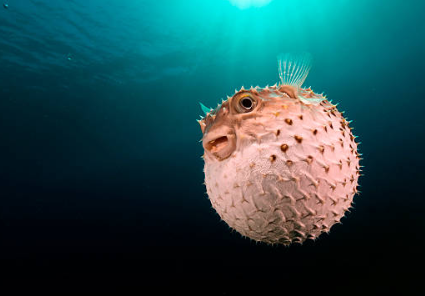
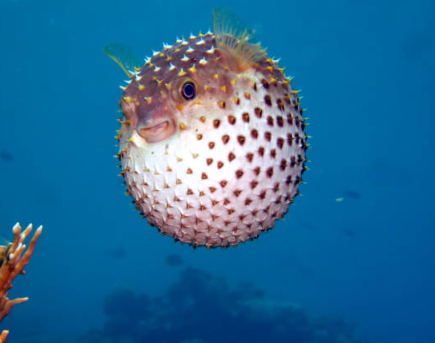
Pufferfish are often described as “water puppies” due to their high level of intelligence and ability to recognize their owners. They possess a unique defense mechanism—the ability to ingest water or air to expand their bodies—which is a fascinating biological trait, though one that should never be induced intentionally due to the stress it causes. On the other hand, Kohaku Koi are the cornerstone of the “Gosanke” (the three main varieties of Koi). Their simple red-on-white pattern is considered the ultimate test of a breeder’s skill and a keeper’s ability to maintain pristine water conditions that preserve color vibrancy.
Comprehensive Pufferfish Care: A Deep Dive for Enthusiasts
Pufferfish belonging to the family Tetraodontidae are not typical community fish. Their care is defined by their unique anatomy, specifically their fused teeth that form a “beak,” and their often aggressive or territorial nature.
Understanding the Beak Maintenance Requirement
One of the most critical aspects of Pufferfish care is managing their ever-growing teeth. In the wild, puffers graze on hard-shelled invertebrates, which naturally wears down their beaks. In captivity, a diet consisting solely of soft foods will lead to overgrowth, eventually preventing the fish from eating and requiring manual veterinary trimming.
- Essential Dietary Items: Feed snails (Bladder or Ramshorn), unpeeled shrimp, crab legs, and clams.
- Feeding Frequency: Younger puffers require daily feeding, while mature specimens can be fed every other day to prevent obesity.
Tank Setup and Species Selection
Pufferfish range from the tiny Pea Puffer (Carinotetraodon travancoricus), which thrives in a 5-10 gallon tank, to the massive Mbu Puffer, which requires hundreds of gallons. Beginners should prioritize species like the Figure 8 Puffer (which requires brackish water) or the South American Puffer (freshwater but highly active). Note: Most puffers are highly sensitive to nitrates and require over-filtration—ideally a filter rated for twice the actual tank volume.

The Kohaku Koi Masterclass: From Selection to Pond Care
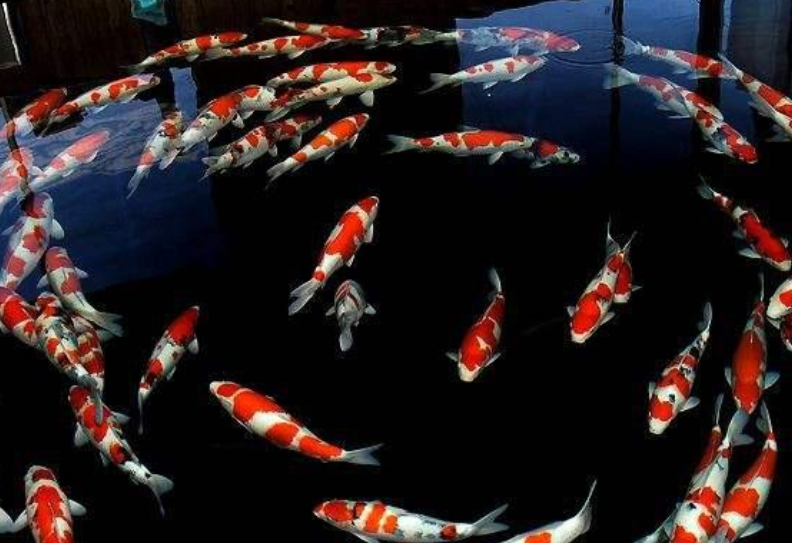
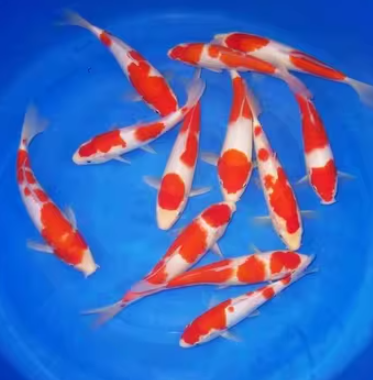
The Kohaku is a white-skinned Koi with red (Hi) markings. It is the most fundamental variety in the Nishikigoi hobby. Achieving the perfect Kohaku involves meticulous selection and an environment that supports pigment development.
Criteria for Selection: Quality and Pattern
When selecting a high-quality Kohaku, enthusiasts look for three primary factors: Shiroji (the white skin), Hi (the red markings), and Kiwa (the edges of the markings).
- Shiroji: Should be a pure, snowy white without any yellow tinting.
- Hi: Should be deep, uniform, and thick. A “persimmon” red is often preferred over a purplish red for long-term stability.
- Pattern Styles: Common patterns include Nidan (two steps of red), Sandan (three steps), and Inazuma (a lightning-bolt shape).
Pond Requirements for Longevity
Unlike Pufferfish, which are typically kept in glass aquariums, Kohaku Koi require large, deep ponds. A minimum depth of 3 to 4 feet is essential to allow for proper exercise and protection from predators and temperature fluctuations. A mature Koi needs approximately 250 to 500 gallons of water to reach its full growth potential of 24-36 inches.
Engineering the Perfect Environment: Filtration and Water Quality
Both Pufferfish and Koi are “heavy bioload” species. Pufferfish produce significant waste due to their messy eating habits, while Koi produce high amounts of ammonia through their gills and waste. Maintaining a stable nitrogen cycle is non-negotiable.
| Parameter | Freshwater Pufferfish | Kohaku Koi (Pond) |
|---|---|---|
| Temperature | 74°F – 80°F | 50°F – 75°F (Seasonal) |
| pH Level | 6.5 – 7.5 | 7.0 – 8.5 |
| Ammonia/Nitrite | 0 ppm | 0 ppm |
| Nitrate | < 20 ppm | < 40 ppm |
| Hardness (GH) | Moderate (5-12 dGH) | Moderate to Hard (10-15 dGH) |
For Pufferfish, use high-quality canister filters or sump systems. For Koi ponds, a combination of mechanical filtration (to remove solids) and biological filtration (to convert toxins) is required, often supplemented by UV sterilizers to maintain water clarity and control algae blooms.

Nutritional Strategies for Peak Health and Vibrancy
Dietary management is where the health and aesthetics of these fish are truly won or lost. A specialized approach ensures that the physical structures (like the puffer’s beak) and the visual traits (like the Koi’s red pigment) are maintained.
Pufferfish: The Importance of Live and Frozen Foods
Most Pufferfish will reject dry flakes or pellets. Their diet must be rich in protein and varied to prevent nutritional deficiencies. Bloodworms, brine shrimp, and mysis shrimp are excellent staples, but the inclusion of hard-shelled prey is mandatory for dental health. Vitamin soaking (using products like Selcon) can further enhance their immune systems.
Kohaku Koi: Enhancing Color and Growth
Koi nutrition should change with the seasons. In summer, high-protein pellets (35-40% protein) promote rapid growth. In spring and autumn, wheat-germ-based foods are easier to digest as metabolism slows down. To enhance the “Hi” (red) of a Kohaku, foods containing spirulina or krill are often used, though over-supplementation can lead to the white skin turning pinkish.
Frequently Asked Questions (FAQ)
- Q1: Can Pufferfish live in a community tank with other fish?
- Generally, no. Most Pufferfish are highly territorial and known for fin-nipping or outright predation. While some species like the Pea Puffer can sometimes coexist with fast-moving fish in heavily planted tanks, it is always recommended to keep puffers in a species-only setup to avoid stress and injury to tank mates.
- Q2: How often should I clean my Koi pond filter?
- Mechanical filters should be flushed or cleaned weekly to remove solid waste before it breaks down into ammonia. Biological media should be rinsed only in pond water (never tap water) and only when absolutely necessary, to avoid killing the beneficial nitrifying bacteria.
- Q3: Why is my Pufferfish hiding and losing color?
- This is often a sign of stress or poor water quality. Check your ammonia and nitrite levels immediately. Ensure the tank has plenty of “line-of-sight” breaks, such as plants and caves, as puffers can feel vulnerable in open water. If parameters are normal, check for signs of internal parasites, which are common in wild-caught puffers.
- Q4: What is the ideal age to buy a Kohaku Koi for pattern stability?
- For hobbyists seeking long-term stability, purchasing “Tosai” (one-year-old) is common, but “Nisai” (two-year-old) fish offer a much clearer picture of how the pattern will hold. By the Nisai stage, the quality of the Hi and Shiroji is more established, reducing the risk of the pattern “breaking” as the fish grows.
- Q5: Do I need to add salt to a Pufferfish tank?
- It depends entirely on the species. Freshwater puffers (like the Dwarf or Mbu) require 0% salinity. Brackish species (like the Green Spotted or Figure 8) require specific gravity levels between 1.005 and 1.015. Always research your specific puffer species’ origin before adjusting salinity.
Animal care note: This article is for general education and owner awareness only. It is not veterinary diagnosis, treatment, emergency guidance, nutrition planning, or professional training advice. For illness, injury, diet changes, medications, behavioral risk, or urgent symptoms, consult a licensed veterinarian or qualified animal-care professional.