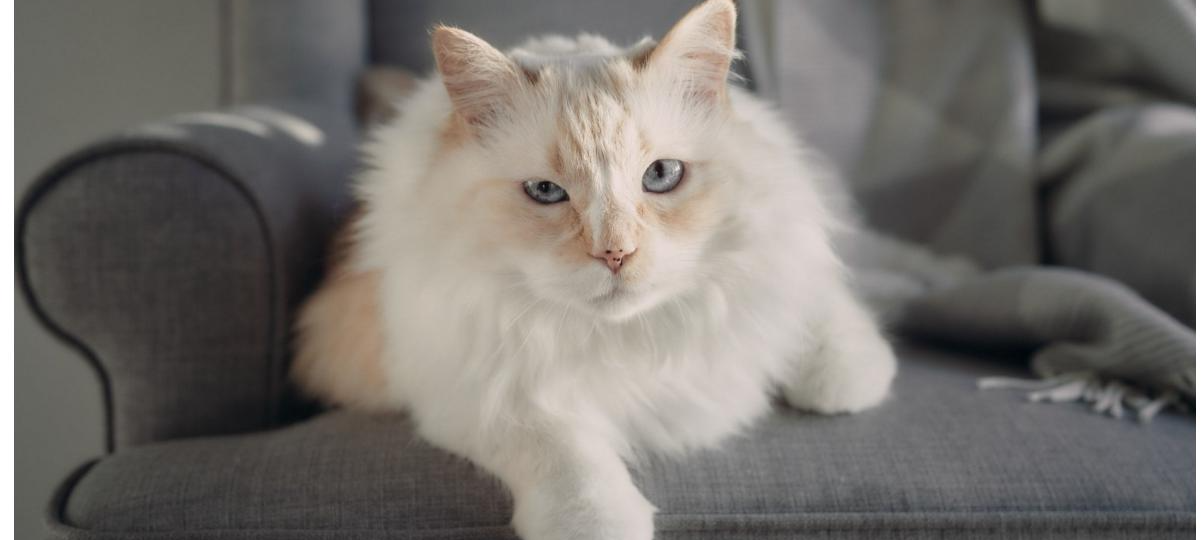
Himalayan Persian Cat: The Ultimate Breed Guide
The Majestic Origins and History of Persian and Himalayan Cats
The lineage of the Persian cat is steeped in antiquity, tracing its roots back to the cradle of civilization. Originally documented in the deserts of Persia (modern-day Iran) during the early 1600s, these magnificent felines were introduced to European nobility by Italian traveler Pietro Della Valle. Their luxurious, sweeping coats and dignified demeanor quickly made them a status symbol among the aristocracy, particularly in Victorian England where the breed standard began to take a formalized shape.
In contrast, the Himalayan cat—often referred to affectionately as the “Himmie”—is a marvel of targeted genetic engineering that occurred much later in the 20th century. During the 1930s, visionary breeders at Harvard University embarked on an ambitious crossbreeding program. Their goal was to seamlessly meld the robust, cobby body and opulent long hair of the traditional Persian with the striking colorpoint pattern and piercing blue eyes of the Siamese. This meticulous process took decades of selective breeding to stabilize, ultimately resulting in a breed that the Cat Fanciers’ Association (CFA) officially recognized in 1957.
The Crossbreeding Journey and Genetic Milestones
Understanding the historical development of the Himalayan Persian requires a deep dive into the genetic hurdles early breeders faced. The colorpoint gene is recessive, meaning both parent cats must carry it to produce Himalayan offspring. Early generations often lost the quintessential Persian body type, reverting to the sleeker Siamese silhouette.
- The Newton Debbo Era: In the 1950s, Marguerita Goforth played a pivotal role in refining the breed, ensuring that the Himalayan retained the flat, brachycephalic face and heavy bone structure of the Persian rather than the angular features of the Siamese.
- CFA Classification Debates: For decades, feline registries debated whether the Himalayan was a distinct breed or a sub-variety of the Persian. Today, the CFA classifies the Himalayan as a color division of the Persian breed, while other organizations like The International Cat Association (TICA) recognize it as a standalone breed within the Persian breed group.
This rich historical tapestry not only highlights the dedication of early feline geneticists but also explains the complex physical and behavioral traits that modern Himalayan Persians exhibit today.

Distinctive Physical Characteristics and Coat Variations
To truly appreciate the physical majesty of the Himalayan Persian, one must examine their unique anatomical structure and the breathtaking diversity of their coats. The breed standard dictates a “cobby” body type—a term used in feline morphology to describe a short, thick-set, and heavily boned frame. Despite their seemingly fluffy and delicate exterior, a healthy Himalayan Persian is surprisingly muscular and solid, typically weighing between 7 to 12 pounds, with males generally presenting a more massive structure than females.
The defining facial feature of this breed is its brachycephalic (flat-faced) cranial structure. They possess a broad, massive skull with small, round-tipped ears set low and wide apart. Their eyes are invariably large, round, and an intense, vivid blue—a direct genetic inheritance from their Siamese ancestors. The nose is exceptionally short, with a distinct “break” centered exactly between the eyes, contributing to their signature pansy-like expression.
Understanding Colorpoint Genetics and Coat Maintenance
The Himalayan’s coat is its crowning glory: incredibly dense, fine in texture, and standing out from the body in a voluminous halo. The colorpoint pattern means that the cat’s body is a lighter shade, while the “points”—the facial mask, ears, legs, paws, and tail—display a darker, contrasting color. This thermal-sensitive albinism is caused by a mutation in the tyrosinase enzyme, which only produces pigment in the cooler extremities of the cat’s body.
| Colorpoint Variety | Point Color Description | Body Color Description |
|---|---|---|
| Seal Point | Deep, rich seal brown | Even pale fawn to warm cream |
| Blue Point | Slate blue | Glacial white to bluish-white |
| Chocolate Point | Milk chocolate brown | Ivory white |
| Lilac Point | Frosty grey with a pinkish tone | Glacial white |
| Flame (Red) Point | Deep orange to red | Creamy white |
These striking variations require precise genetic pairing to achieve, making certain colors like the Lilac and Chocolate points exceptionally rare and highly sought after by feline enthusiasts worldwide.

The Unique Temperament and Charm of the Himalayan Persian
The psychological profile and temperament of the Himalayan Persian are just as captivating as their physical beauty. Inheriting the serene, placid nature of the Persian and a touch of the Siamese’s interactive intelligence, the Himalayan strikes a perfect behavioral balance. They are fundamentally docile, gentle, and deeply affectionate companions who thrive on tranquil environments and stable routines.
Unlike highly active breeds that demand constant physical stimulation and vertical territory, the Himalayan Persian prefers lounging on plush furniture and observing household activities from a comfortable, grounded vantage point. They are not prone to excessive vocalization; when they do communicate, it is typically through soft, melodious chirps and trills rather than demanding yowls. This quiet charm makes them exceptionally well-suited for apartment living and for families seeking a peaceful feline presence.
Interaction with Families and Other Pets
While they are deeply devoted to their primary caregivers, Himalayan Persians process social interactions at their own deliberate pace. They are not the type of cat to instantly greet strangers at the door, preferring instead to assess new situations from a safe distance before granting their affection.
- Affectionate but Unobtrusive: They love to be petted and will happily sit in a lap for hours, but they rarely demand attention aggressively. They are content to simply be in the same room as their owners.
- Compatibility with Children: Due to their sensitive nature, they do best in households with older, respectful children who understand how to handle a cat gently. Boisterous or unpredictable environments can cause them stress.
- Cohabitation with Other Pets: Himalayans generally coexist peacefully with other calm cats and gentle, cat-friendly dogs. Their low prey drive and lack of territorial aggression make multi-pet integration relatively smooth, provided proper introduction protocols are followed.
Ultimately, the charm of the Himalayan lies in their quiet devotion. They form profound, lifelong bonds with their human companions, offering a comforting and steadfast presence that enriches the home environment.

Comprehensive Care and Grooming Guide for Long-Haired Felines
Owning a Himalayan Persian requires a resolute commitment to grooming. Their spectacular double coat consists of a long, flowing outer coat and a dense, cotton-like undercoat. Without rigorous and daily maintenance, this undercoat will rapidly tangle, leading to severe matting that can pull on the cat’s sensitive skin, causing pain, restricted movement, and dangerous skin infections.
Grooming should never be viewed as an occasional chore but rather as a daily bonding ritual. Establishing a grooming routine from kittenhood is essential to desensitize the cat to the various tools and handling required. Professional grooming every few months is highly recommended, but it does not replace the necessity of daily at-home care.
Daily Brushing and Mat Prevention Strategies
Effective grooming requires the right arsenal of tools. A high-quality stainless steel greyhound comb and a slicker brush are non-negotiable. The technique is just as important as the tools; surface brushing is insufficient. Owners must employ the “line brushing” technique to ensure they are reaching the skin.
- Step 1: The Slicker Brush: Begin by gently using a slicker brush to remove loose surface hair and debris. Pay special attention to friction areas such as behind the ears, under the armpits, and around the sanitary region.
- Step 2: Line Brushing with a Comb: Part the hair down to the skin and use the stainless steel comb to gently work through the undercoat section by section. If you encounter a knot, do not pull. Gently tease it apart with your fingers or use a specialized mat-splitting tool.
- Step 3: Eye and Face Cleaning: Due to their brachycephalic facial structure, Himalayan Persians are prone to excessive tearing. Their eyes must be wiped daily with a damp, warm cotton round or specialized feline eye wipes to prevent tear staining and bacterial build-up in their facial folds.
Bathing is also a critical component of their care. Unlike short-haired breeds, Himalayans benefit from a full bath every 4 to 6 weeks using a feline-specific degreasing shampoo, followed by a thorough blow-dry to prevent the undercoat from curling and matting.

Nutritional Requirements and Dietary Management
The dietary management of a Himalayan Persian requires careful calibration. Because of their heavily boned structure and naturally sedentary lifestyle, they possess a significantly lower basal metabolic rate compared to more athletic breeds like the Bengal or Abyssinian. This physiological reality makes them highly susceptible to feline obesity, a condition that can exacerbate joint issues, lead to diabetes, and severely complicate respiratory function in brachycephalic cats.
A biologically appropriate diet for a Himalayan must prioritize high-quality, animal-based proteins while strictly limiting unnecessary carbohydrates and filler grains. Furthermore, because long-haired cats ingest a substantial amount of hair during self-grooming, their diet must support digestive motility to prevent the formation of dangerous trichobezoars (hairballs) in the gastrointestinal tract.
Formulating the Ideal Feline Diet
When selecting commercial cat food or formulating a raw diet under veterinary supervision, the macronutrient profile must be meticulously evaluated. Wet food is highly recommended over dry kibble, as it provides essential hydration that supports renal health—a critical factor for Persian breeds prone to kidney issues.
- Protein Sourcing: Look for whole meat sources (chicken, turkey, rabbit) as the primary ingredient. Adequate protein is essential for maintaining their muscular core beneath their voluminous coat.
- Omega Fatty Acids: The inclusion of Omega-3 and Omega-6 fatty acids (often sourced from salmon oil or krill oil) is vital for maintaining the luster and health of their skin and coat, reducing dander and dry skin.
- Hairball Control Formulations: High-fiber dietary additions, such as pumpkin purée or specialized cellulose fibers found in hairball-control formulas, help bind ingested hair and sweep it safely through the digestive tract.
Portion control must be strictly enforced. Free-feeding is strongly discouraged. Instead, meals should be measured using a digital kitchen scale and divided into two or three scheduled feedings per day to maintain a stable metabolic rate and prevent overeating.

Common Health Considerations and Preventative Care
While the Himalayan Persian is a robust breed that can live between 12 to 15 years with optimal care, their unique genetic makeup and extreme physical conformation predispose them to several breed-specific health challenges. Prospective and current owners must be acutely aware of these conditions to provide proactive, preventative veterinary care. Early detection is paramount in managing these chronic issues effectively.
The most prominent health concern within the Persian breed group is Polycystic Kidney Disease (PKD). This is an inherited autosomal dominant condition characterized by the formation of fluid-filled cysts in the kidneys, which eventually lead to chronic renal failure. Thanks to modern veterinary genetics, responsible breeders now utilize DNA testing to identify and remove PKD-positive cats from their breeding programs, significantly reducing the prevalence of this devastating disease.
Managing Brachycephalic Airway Syndrome
The shortened skull of the Himalayan Persian results in compressed respiratory anatomy, leading to Brachycephalic Airway Syndrome (BAS). This condition encompasses elongated soft palates, stenotic nares (narrowed nostrils), and hypoplastic tracheas, all of which restrict airflow.
- Environmental Temperature Control: Because they cannot pant effectively to cool themselves, Himalayans are highly susceptible to heatstroke. They must be kept in air-conditioned environments during warm months.
- Weight Management: Excess weight exacerbates respiratory distress. Keeping the cat lean is the most effective non-surgical way to manage BAS symptoms.
- Ocular Health: Their large, protruding eyes are vulnerable to corneal ulcers, entropion (inward rolling of the eyelids), and Progressive Retinal Atrophy (PRA). Any sign of squinting, excessive discharge, or cloudiness requires immediate veterinary ophthalmological assessment.
Routine veterinary check-ups, including annual blood panels and urinalysis, are essential for monitoring kidney and liver function as the cat ages, ensuring that any subtle physiological changes are addressed before they become critical emergencies.

Creating the Perfect Indoor Environment for Your Persian Cat
The Himalayan Persian is unequivocally an indoor-only cat. Their heavy coats, flat faces, and trusting dispositions make them entirely unsuited for the physical hazards of the outdoors, including predators, traffic, and infectious diseases. Furthermore, their coat acts like a magnet for burrs, ticks, and dirt, turning outdoor excursions into grooming nightmares. Therefore, creating an enriching, stimulating, and safe indoor environment is crucial for their physical and psychological well-being.
Designing a feline-friendly home for a Himalayan involves understanding their physical limitations. Unlike a lithe Siamese that might leap to the top of a refrigerator with ease, the heavy-bodied Himalayan is not a high jumper. They prefer stability and comfort. Furniture and enrichment tools should be designed to accommodate their specific biomechanics.
Safe Enrichment and Play Spaces
Environmental enrichment prevents boredom and stress-induced behavioral issues. The goal is to provide mental stimulation without requiring extreme physical exertion.
- Accessible Vertical Territory: Provide sturdy, multi-tiered cat trees with broad platforms and gentle ramps. Avoid tall, narrow scratching posts that require vertical leaping. Window perches placed at a low height offer excellent visual stimulation (often referred to as “cat TV”).
- Interactive Floor Play: Engage their hunting instincts with wand toys, laser pointers (always ending the game with a physical toy they can catch), and puzzle feeders that stimulate their cognitive functions while slowing down their eating pace.
- Litter Box Considerations: Due to their size and long hair, Himalayans require extra-large, uncovered litter boxes. Covered boxes can trap dust and odors, irritating their sensitive respiratory systems. Additionally, utilizing a low-dust, clumping litter helps prevent debris from sticking to their heavily furred paws and hindquarters.
By thoughtfully curating their indoor space, owners can ensure their Himalayan Persian enjoys a fulfilling, active, and secure life entirely within the confines of the home.

Breeding Standards and Show Cat Preparations
For enthusiasts interested in the competitive world of cat shows, the Himalayan Persian represents one of the most glamorous and challenging breeds to exhibit. The Cat Fanciers’ Association (CFA) outlines an incredibly rigorous standard of perfection for the breed. Judges evaluate everything from the exact placement of the nose break to the specific hue of the point coloration and the overarching balance of the cat’s cobby structure. A show-quality Himalayan must embody the perfect synthesis of Persian morphology and precise Siamese color restriction.
Preparing a Himalayan for the show ring is an art form that requires months of preparation. The goal is to present a cat whose coat appears as a flawless, floating cloud, free of any separation, grease, or staining. This level of presentation elevates standard grooming into a highly specialized discipline.
Preparing for the Show Ring
Show preparation begins weeks before the actual event and involves a meticulous regimen of bathing, drying, and powdering.
- The Show Bath Protocol: A show bath involves multiple stages: a degreasing paste applied to the roots, a clarifying shampoo to remove environmental toxins, a color-enhancing shampoo (such as bluing for the white body to make it pop), and finally, a texturizing rinse. Conditioners are rarely used as they can weigh down the coat and destroy the desired volume.
- Precision Blow-Drying: The cat must be blow-dried using a high-velocity stand dryer while simultaneously being combed upwards (reverse combing) to lift the coat away from the skin, creating the illusion of massive volume.
- Facial Sculpting: The facial hair is carefully trimmed and sculpted using specialized thinning shears to accentuate the roundness of the head, the smallness of the ears, and the dramatic break of the nose. Tear stains are meticulously neutralized using specialized show powders.
Beyond physical appearance, a show cat must possess an unflappable temperament. They must tolerate being handled by strange judges, loud noises, and the presence of hundreds of other cats without displaying fear or aggression.

Bringing Home a Himalayan Persian: Adoption and Breeder Selection
Acquiring a Himalayan Persian is a significant emotional and financial investment. Because of their specific health predispositions and grooming requirements, sourcing your cat from a reputable, ethical breeder is the most critical decision you will make. A responsible breeder prioritizes the health, temperament, and genetic soundness of their cats over profit, ensuring that the kittens they produce are robust and well-socialized.
Alternatively, breed-specific rescues offer a wonderful opportunity to adopt adult Himalayans or Persians who have lost their homes. Adopting an adult cat allows you to bypass the chaotic kitten phase and provides a clear picture of the cat’s settled personality and grooming tolerance.
Red Flags to Avoid When Choosing a Breeder
Navigating the world of cat breeding requires vigilance. Prospective owners must conduct thorough interviews and demand transparency regarding the health history of the breeding lines.
- Lack of DNA Testing: An ethical breeder will readily provide proof of negative DNA tests for Polycystic Kidney Disease (PKD) and Feline Immunodeficiency Virus/Feline Leukemia Virus (FIV/FeLV) for both parent cats.
- Refusal of Facility Tours: Breeders who refuse to let you see where the cats are raised or who insist on meeting you in a parking lot are often operating kitten mills or substandard catteries. The environment should be clean, odor-free, and integrated into the home.
- Premature Separation: Kittens should never be separated from their mother and littermates before 12 to 14 weeks of age. This crucial period is necessary for them to learn bite inhibition, proper litter box habits, and vital socialization skills.
Taking the time to vet your source ensures that you are bringing home a healthy companion while simultaneously refusing to fund unethical breeding practices that harm the welfare of the breed.

Integrating Your New Cat Into the Household
The transition period when bringing a new Himalayan Persian into your home dictates the trajectory of their future confidence and behavioral stability. These cats are inherently cautious and sensitive to environmental changes. Thrusting them immediately into a vast, unfamiliar space with new sounds, smells, and potentially other pets can trigger severe anxiety, leading to hiding, appetite loss, and inappropriate elimination.
A structured, gradual introduction is mandatory. This process requires patience, empathy, and a deep understanding of feline psychology. By controlling their environment and slowly expanding their territory, you allow the cat to build confidence and establish a sense of ownership over their new domain.
The First 30 Days: A Timeline for Success
Implementing a phased introduction strategy ensures a seamless integration into your family’s daily life.
- The Sanctuary Room (Days 1-7): Confine the cat to a single, quiet room equipped with their litter box, food, water, scratching post, and a cozy hiding spot. Spend time in the room reading or speaking softly to allow them to acclimate to your presence without forcing physical interaction.
- Scent Mingle and Territory Exploration (Days 8-14): Once the cat is eating well and confidently greeting you in the sanctuary room, begin swapping bedding with any existing pets to exchange scents. Allow the Himalayan to explore the rest of the house for short, supervised periods while other pets are secured in another room.
- Supervised Introductions (Days 15-30): Gradually introduce the Himalayan to other household pets using a physical barrier, such as a baby gate or a cracked door. Reward calm behavior with high-value treats. Only allow full, unsupervised access once all animals display relaxed, indifferent, or friendly body language.
By respecting their pace and providing a secure foundation, your Himalayan Persian will quickly blossom into the affectionate, purring centerpiece of your home.
Frequently Asked Questions (FAQ)
- Are Himalayan Persian cats hypoallergenic?
- No, Himalayan Persian cats are not hypoallergenic. They possess a dense, double coat that sheds continuously, and they produce the Fel d 1 protein in their saliva and sebaceous glands, which is the primary allergen responsible for triggering reactions in sensitive individuals. Their high grooming needs can actually spread more dander around the home if not managed properly.
- How much does a Himalayan Persian cat cost?
- The cost of a Himalayan Persian kitten from a reputable, health-testing breeder typically ranges from $1,000 to $2,500, depending on their pedigree, coat color, and whether they are pet or show quality. Exceptionally rare colors or kittens from champion bloodlines can exceed $3,000. Adoption fees from breed-specific rescues generally range from $150 to $400.