The Ultimate Guide to Savannah Cats: From Wild Serval Ancestry to Cat Show Stardom
Introduction to the Savannah Cat Breed
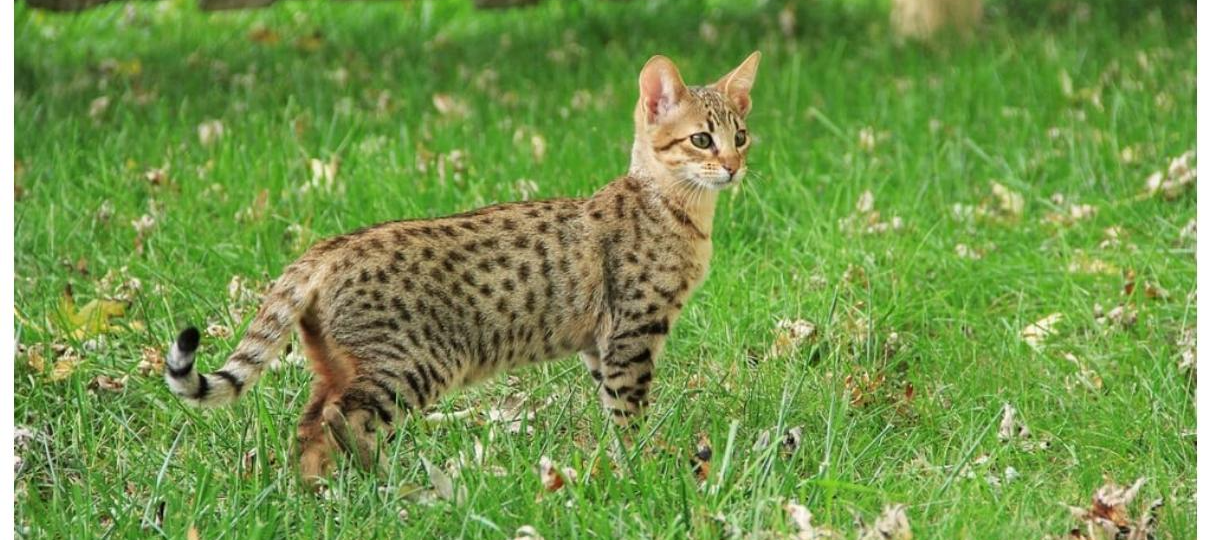
The Savannah cat represents one of the most ambitious and breathtaking achievements in modern feline breeding. By crossing the wild African Serval with domestic cat breeds, breeders have successfully captured the raw, untamed beauty of the African savanna and distilled it into a manageable, affectionate household companion. This hybrid breed bridges the gap between the wild and the domestic, offering feline enthusiasts an unparalleled opportunity to share their lives with a miniature leopard-like creature. The journey from the first crossbreed to a globally recognized championship breed is a testament to the dedication of geneticists, breeders, and cat lovers alike.
The Origins: Crossing the African Serval with Domestic Felines
The inception of the Savannah cat dates back to April 1986, when the very first kitten, appropriately named “Savannah,” was born. This groundbreaking event occurred when a female domestic Siamese cat was successfully mated with a male African Serval. The resulting offspring possessed the striking spotted coat, elongated limbs, and large, alert ears of its wild father, coupled with the more tractable temperament of its domestic mother. This initial success sparked a highly specialized breeding movement. Early pioneers meticulously selected domestic outcrosses—such as the Egyptian Mau, Ocicat, and Oriental Shorthair—to refine the breed’s physical conformation while ensuring a stable, loving disposition. Today, outcrossing is strictly regulated, and most modern Savannahs are bred from Savannah-to-Savannah pairings to maintain genetic consistency and breed purity.
Understanding the Filial Generations (F1 to F5 and Beyond)
To truly understand the Savannah cat, one must master the concept of filial generations, denoted by the letter “F” followed by a number. This classification system measures the genetic distance between an individual cat and its wild Serval ancestor. The lower the number, the closer the cat is to the wild. An F1 Savannah, for instance, is the direct offspring of a Serval and a domestic cat, possessing roughly 50% to 75% wild genetics. As breeding progresses down the generational line, the wild DNA becomes more diluted, resulting in cats that are increasingly domesticated in behavior while retaining their exotic appearance. Understanding these generations is crucial for prospective owners, as it directly impacts the cat’s size, temperament, legal status, and care requirements.
| Generation | Wild Serval DNA (%) | Size & Weight Range | Temperament Profile |
|---|---|---|---|
| F1 | 50% – 75% | 15 – 30 lbs | Highly energetic, strong wild instincts, requires specialized handling and enclosures. |
| F3 | 12.5% – 19% | 12 – 20 lbs | Active and curious, strong bond with owners, better suited for active households. |
| F5 | 3% – 11% | 10 – 18 lbs | Highly domesticated, excellent with children and other pets, dog-like personality. |
The table above illustrates the progressive domestication of the Savannah breed. While F1 and F2 generations are spectacular specimens often reserved for highly experienced handlers or breeding programs, the later generations, particularly the F5, represent the sweet spot for the average cat enthusiast seeking an exotic look without the overwhelming demands of a wild hybrid.

Decoding the F5 Savannah Cat: The Perfect Household Companion
Among the various generations of the Savannah breed, the F5 Savannah cat has emerged as a highly sought-after companion. Being five generations removed from the original African Serval, the F5 strikes an impeccable balance. It retains the mesmerizing aesthetic of a jungle cat—complete with bold spots and an athletic build—while exhibiting a temperament that is entirely suited for standard domestic living. The F5 generation is often described as the “golden mean” of the breed, offering the thrill of owning an exotic pet without the complex behavioral challenges associated with early-generation hybrids.
What Makes the F5 Generation Unique?
The uniqueness of the F5 Savannah lies in its genetic stabilization. By the fifth generation, the unpredictable behavioral traits of the Serval have been thoroughly smoothed out through selective breeding. F5 Savannahs typically harbor between 3% and 11% Serval DNA. This specific genetic ratio ensures that the cat is fully domestic in its psychological makeup. They do not require the specialized diets, reinforced enclosures, or complex legal permits often mandated for F1 or F2 cats. Furthermore, male F5 Savannahs are frequently the first generation in the breeding line to be fertile, making them incredibly valuable to breeding programs aiming to produce subsequent generations (SBT – Stud Book Tradition) with pure Savannah genetics.
Temperament and Personality Traits of the F5
If you are expecting a typical, aloof house cat, the F5 Savannah will completely shatter your expectations. Their personality is frequently compared to that of a loyal, highly intelligent dog. They are intensely interactive and thrive on being involved in every aspect of their human’s daily routine. Before deciding to bring an F5 into your home, it is essential to understand the specific behavioral traits that set them apart from traditional feline breeds.
- Canine-Like Devotion: F5 Savannahs tend to follow their owners from room to room, greeting them at the door and even playing prolonged games of fetch with their favorite toys.
- Leash Training Aptitude: Unlike most domestic cats, F5s readily accept harness and leash training, making them excellent companions for outdoor hikes and neighborhood walks.
- Water Affinity: Inheriting the Serval’s love for marshland hunting, F5 Savannahs are fascinated by water. It is not uncommon for them to join their owners in the shower or enthusiastically splash in their water bowls.
- High Intelligence and Curiosity: They are notorious problem solvers. F5s can easily learn to open doors, cabinets, and drawers, requiring owners to mentally stimulate them with puzzle toys to prevent mischievous behavior.
This high level of intelligence means that an F5 Savannah requires active engagement. They are not pets that can be left alone in a small apartment for 12 hours a day without consequence. They demand a dynamic environment where their physical and mental capabilities are constantly challenged and nurtured.

Exploring the Secrets of Serval Behavior
To truly comprehend the quirks and instincts of the Savannah cat, one must look to its wild progenitor: the African Serval (Leptailurus serval). The Serval is a medium-sized wildcat native to sub-Saharan Africa, renowned for its extraordinary physical adaptations and highly specialized hunting techniques. The genetic echoes of these wild behaviors resonate deeply within the Savannah breed, manifesting in their daily activities, play styles, and emotional bonding mechanisms. Exploring Serval behavior is the key to unlocking a harmonious relationship with your Savannah cat.
The African Serval: A Master Hunter in the Wild
In the African savannas, the Serval is an apex micro-predator. Evolution has equipped this feline with the longest legs and largest ears relative to body size of any cat species. These physical traits are not merely cosmetic; they are vital survival tools. The Serval’s oversized, radar-like ears allow it to hear the ultrasonic squeaks of rodents navigating through dense, tall grass or even burrowing underground. Once prey is detected, the Serval utilizes its powerful hind legs to execute astonishing vertical leaps—sometimes reaching up to 9 feet in the air—before pouncing precisely on its target. This unique “pounce and pin” hunting style is highly successful, giving the Serval one of the highest hunting success rates among wildcats.
How Serval DNA Influences Savannah Cat Instincts
The behavioral blueprint of the Serval is visibly imprinted on the Savannah cat, regardless of the filial generation. When you observe a Savannah playing, you are essentially watching a miniature Serval execute a hunt. Understanding these inherited instincts helps owners provide appropriate outlets for their cat’s energy.
- Vertical Exploration: Savannahs have an innate need to seek high vantage points. They will easily scale refrigerators, top cabinets, and high shelves. Providing sturdy, ceiling-height cat trees is a mandatory requirement, not an option.
- Auditory Sensitivity: Inheriting the Serval’s acute hearing, Savannahs are highly responsive to sounds. They may become hyper-alert to subtle noises outside the home and often communicate using a wide vocabulary of chirps, trills, and hisses that differ significantly from a standard domestic meow.
- Prey-Drive in Play: Their play style involves dramatic leaping and aggressive pouncing. Feather wands and airborne toys are essential for mimicking the bird-hunting behaviors of their wild ancestors, allowing them to burn off their intense predatory energy safely.
By recognizing that a Savannah’s tendency to knock items off high shelves or aggressively attack a feather toy is rooted in millions of years of Serval evolution, owners can redirect these behaviors positively rather than punishing the cat for its natural instincts.

Savannah Cats in the Competitive World of Cat Shows
The transition of the Savannah cat from an experimental wild hybrid to a celebrated darling of the international cat show circuit is a story of rigorous breeding standards and passionate advocacy. Today, Savannahs are show-stoppers. Their entrance into a show hall immediately commands attention, drawing crowds eager to witness their leopard-like grace. However, achieving success in the highly regulated world of cat shows requires much more than just a striking coat; it demands strict adherence to physical conformation standards and a flawlessly cultivated temperament.
The Journey to TICA Championship Status
The International Cat Association (TICA) is the primary registry that recognizes and champions the Savannah breed. The journey to official recognition was arduous. The breed was first presented to the TICA Board of Directors in 1996, but it wasn’t until 2001 that it was accepted for registration. The ultimate milestone was reached in May 2012, when TICA officially granted the Savannah cat Championship status. This allowed purebred Savannahs (specifically the SBT generations, which are F4 and later) to compete against other recognized breeds for prestigious titles like Grand Champion and Supreme Grand Champion. This recognition validated decades of ethical breeding aimed at producing a consistent, healthy, and standardized feline.
Conformation Standards: What Judges Look For
When a Savannah cat is placed on the judging table, the judge evaluates the feline against a highly detailed breed standard. The goal is to reward the cat that most closely resembles the wild African Serval while maintaining the sweet, tractable nature of a domestic show cat. The evaluation process is meticulous, breaking down the cat’s anatomy into specific point-scoring categories.
- Head Shape and Ears: The head must be an equilateral triangle, noticeably smaller in proportion to the body. The ears are paramount; they must be remarkably large, set high on the head, with wide bases and rounded tips. Judges look specifically for “ocelli”—the light-colored, eye-like thumbprints on the back of the ears.
- Body and Legs: The body should be exceptionally long, lean, and muscular, featuring a deep rib cage and a prominent, prominent shoulder blade. The legs must be longer than average, giving the cat a falsely large appearance, ending in medium-sized oval paws.
- Coat and Spotting: The coat must be short to medium in length with a slightly coarse texture. The spotting pattern is critical; judges look for solid, dark brown or black spots that are round, oval, or elongated. The contrast between the dark spots and the lighter background color (which ranges from warm golden to cool silver) must be stark and dramatic.
Any deviation from these standards, such as a cobby body, small ears, or a rosette spotting pattern (which is characteristic of the Bengal cat, not the Savannah), will result in heavy penalization in the show ring. The perfect show Savannah is a masterclass in genetic sculpting.

Care, Diet, and Enrichment for Savannah Cats
Owning a Savannah cat, whether it is an F1 or an F5, requires a commitment to a higher standard of feline care. Their unique genetic makeup dictates specific nutritional needs and environmental requirements that go far beyond those of a typical domestic cat. A well-cared-for Savannah will reward its owner with decades of vibrant companionship, but negligence in their diet or mental enrichment can lead to severe behavioral and health issues.
Nutritional Requirements for High-Energy Felines
The metabolism of a Savannah cat operates at a remarkably high pace, fueled by their constant activity and muscular build. Proper nutrition is the cornerstone of their health. While early generation Savannahs (F1-F2) often require carefully balanced raw meat diets supplemented with calcium and taurine to mimic their wild prey, later generations like the F5 can thrive on high-quality, commercially prepared cat foods. However, this food must be exceptionally high in animal protein and completely free of grain fillers like corn, wheat, or soy. Many top breeders recommend a hybrid diet for all generations: a premium grain-free dry kibble left out for grazing, supplemented daily with high-quality wet food or commercially balanced raw poultry to ensure optimal hydration and muscle maintenance.
Exercise and Mental Stimulation Strategies
A bored Savannah cat is a destructive Savannah cat. Their high intelligence and boundless energy must be channeled constructively. Environmental enrichment is not a luxury; it is a vital component of their daily care routine. Owners must invest in large, stable running wheels (specifically designed for cats, measuring at least 48 inches in diameter to protect their long spines) to allow them to sprint indoors safely. Furthermore, puzzle feeders should replace standard food bowls to engage their problem-solving skills during meal times. Daily interactive play sessions, lasting at least 20 to 30 minutes twice a day, using wand toys and laser pointers, are mandatory to simulate the hunting sequence and keep their minds razor-sharp.

Is a Savannah Cat Right for Your Family?
Bringing a Savannah cat into your home is a life-altering decision. While their breathtaking beauty and dog-like loyalty are incredibly appealing, they are not the right fit for every household. Prospective owners must conduct rigorous self-assessment and thorough research to ensure they can meet the intense physical, emotional, and legal demands of this extraordinary breed.
Legal Restrictions and Ownership Considerations
Before ever contacting a breeder, you must verify the legal status of Savannah cats in your jurisdiction. Because they are a hybrid of a wild animal, ownership laws vary wildly across the globe, and even from state to state or county to county within the United States. Some regions ban all Savannah cats entirely, viewing them as exotic wildlife. Others permit later generations (like F4 and F5) but strictly prohibit F1 through F3. In some areas, special permits, specific outdoor enclosure requirements, and liability insurance are legally mandated. Ignorance of the law is not an excuse, and illegally owning a Savannah can result in heavy fines and the heartbreaking confiscation of the animal.
Integrating a Savannah with Other Pets and Children
If legally permitted, the next consideration is household dynamics. Fortunately, later generation Savannahs, particularly the F5, are incredibly adaptable. They generally integrate exceptionally well with existing household pets, often forming deep, playful bonds with dogs. Their robust size and confident nature mean they will not easily be intimidated by canine housemates. When it comes to children, F5 Savannahs are remarkably tolerant and playful, making them excellent family pets. However, due to their high energy and tendency to play rough (including enthusiastic pouncing and jumping), interactions with toddlers should always be supervised to prevent accidental scratches. Teaching children how to properly respect and interact with a high-energy feline is crucial for a harmonious household.

Frequently Asked Questions (FAQ)
To further clarify the complexities of the Savannah breed, we have compiled detailed answers to the most common questions asked by prospective owners, enthusiasts, and cat show attendees. These insights are drawn from expert breeders, TICA judges, and seasoned Savannah owners.
Frequently Asked Questions (FAQ)
- Are Savannah cats aggressive because of their wild Serval DNA?
- No, Savannah cats are not inherently aggressive. Ethical breeders have spent decades selectively breeding for a sweet, tractable temperament. While F1s and F2s have stronger wild instincts and require experienced handling to prevent fear-based reactivity, later generations like the F5 are entirely domesticated, highly affectionate, and famously dog-like in their loyalty to their human families.
- How big does an F5 Savannah cat actually get?
- While early generations can reach up to 30 pounds, an F5 Savannah is much closer to the size of a standard domestic cat, typically weighing between 10 and 18 pounds. However, because of their exceptionally long legs, elongated bodies, and tall ears, an F5 will appear significantly larger and taller than a standard house cat of the exact same weight.
- Do Savannah cats require a special veterinarian?
- For later generations like the F5, a standard small-animal veterinarian is perfectly capable of providing excellent care. However, it is highly recommended to find a vet who has experience with exotic hybrids. Some Savannahs can have adverse reactions to certain anesthetics (such as Ketamine), and experienced vets will know to use specialized protocols when performing surgeries or dental cleanings on this breed.
- Can I let my Savannah cat outside?
- Savannah cats should never be allowed to roam freely outdoors. Their high prey drive makes them a severe threat to local wildlife (such as birds and small mammals), and their striking appearance makes them prime targets for theft. Instead, owners should utilize their Savannah’s aptitude for leash training to take them on supervised walks, or construct a secure, fully enclosed outdoor “catio” where they can safely enjoy the fresh air.
- Why are Savannah cats so expensive?
- The high cost of a Savannah cat is a direct reflection of the extreme difficulty and expense of breeding them. Mating a Serval to a domestic cat to create an F1 involves navigating significant differences in gestation periods and physical size, resulting in very low success rates and small litters. Furthermore, male Savannahs are typically sterile until the F5 generation, forcing breeders to constantly source expensive new outcrosses or fertile F5 males. The rigorous health testing, premium diets, and specialized facilities required to ethically raise these cats all contribute to their premium price tag.