
Is it safe for cats to eat raw meat? A comprehensive analysis of the truth you must know
Cat owners may have heard of the “raw feeding” method, believing that feeding cats raw meat is closest to their natural diet, good for health, and can even avoid additives and preservatives in processed foods. However, is it really that simple? What are the potential risks and misunderstandings of feeding cats raw meat? How to scientifically choose a diet that is suitable for your cat? This article will explain it to you in detail.
Differences between a cat’s natural diet and a domesticated cat’s diet
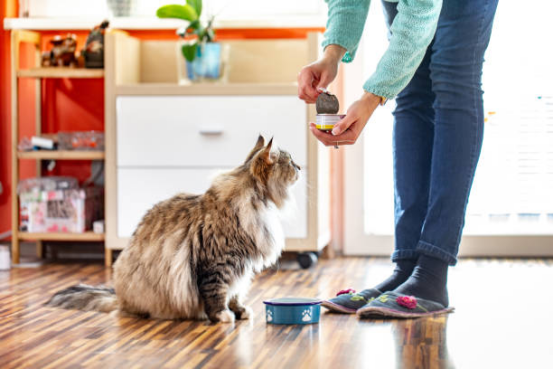
There is no dispute that cats are pure carnivores. Wild cats hunt small mammals, birds and insects for food, mostly raw meat from fresh prey, including muscle, offal, bones, etc., with a naturally balanced nutritional combination. The cat’s digestive system is adapted to this high-protein, high-fat and low-carbohydrate diet.
But the situation is completely different for domestic cats. They usually live in indoor environments, with limited range of activities, greatly reduced hunting ability, and their food source mainly depends on cat food provided by their owners or homemade food. Modern cat food is usually scientifically formulated to ensure that cats get the necessary nutrients, such as taurine, vitamin A and fatty acids.
In addition, the immune system of domestic cats is not exactly the same as that of wild cats, and the risks of bacteria and parasites in wild prey may be more dangerous to domestic cats. Therefore, simply copying the “raw meat diet” of wild cats for domestic cats is not without risks.
Why is raw meat feeding becoming more and more popular?
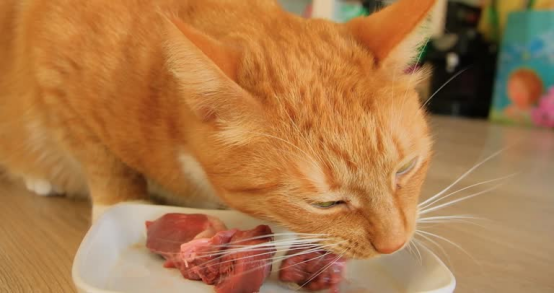
In recent years, raw meat feeding has gradually become popular in the pet industry in Europe and the United States. Supporters believe that:
A raw meat diet is closer to a cat’s natural diet
Can improve cat’s hair gloss and skin health
Reduce artificial additives and carbohydrates in processed foods
Promotes dental health and reduces tartar buildup
Indeed, some studies and empirical reports suggest that a properly formulated raw meat diet can help improve the health of some cats, particularly those that are intolerant to certain commercial cat foods.
But all this is based on the premise of “reasonable matching” and “strict hygiene”, and must have professional knowledge and veterinary guidance, otherwise the risk is extremely high.
Hidden risks of feeding raw meat
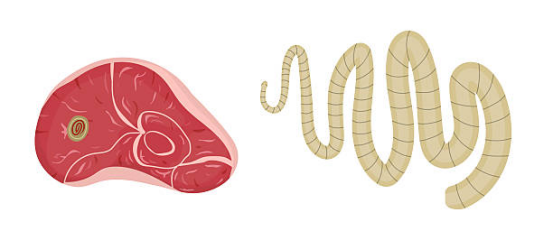
Risk of bacterial and parasitic infections
Uncooked meat may carry pathogenic bacteria such as salmonella, E. coli, and listeria, which can easily cause food poisoning. Although cats have a strong resistance to stomach acid, they are still at risk of infection. More importantly, these pathogens can also be transmitted to humans through cat feces or body fluids, especially children, the elderly, and people with weak immune systems.
Parasites are a more serious problem. Toxoplasma gondii is the most worrisome parasite, which causes toxoplasmosis. Although most cats do not show obvious symptoms after infection, pregnant women infected with Toxoplasma gondii are at serious risk of miscarriage and fetal developmental abnormalities. Toxoplasma gondii can be transmitted through raw meat and can also be contracted through contact with cat litter.
In addition to Toxoplasma, there are other parasites such as tapeworms, which also pose a threat if raw meat is not frozen or sterilized.
Unbalanced nutrition
Cats’ nutritional needs are extremely complex. In addition to high protein, taurine is an essential amino acid for cats, and a deficiency can lead to heart disease and retinal degeneration. Vitamin A, vitamin D and essential fatty acids also need to be accurately supplied.
Raw meat that is not scientifically proportioned often lacks key nutrients, especially homemade diets which often ignore the proper ratio of bone meal and offal, leading to calcium-phosphorus imbalance and subsequently causing bone diseases.
If cats suffer from long-term nutritional deficiency or imbalance, they may experience symptoms such as weight loss, rough fur, and decreased immunity.
In what situations should you never feed cats raw meat?
Pregnant women or those planning to have a baby
During pregnancy, exposure to raw meat greatly increases the risk of Toxoplasma infection, which can cause irreversible damage to the fetal brain development, leading to miscarriage, premature birth, and congenital malformations.
Therefore, pregnant families should avoid feeding cats raw meat, avoid contact with cat litter or cat feces, and choose commercial cat food as a safe diet.
The cat’s health condition is unknown or has a special disease
Some cats have limited digestion and absorption abilities due to intestinal surgery, chronic gastrointestinal diseases, etc. Switching diet without veterinary evaluation is likely to aggravate the condition.
When cats have low immunity, they should not be exposed to potential pathogens to avoid the risk of infection caused by raw meat.
Kitten Stage
Kittens under two months old have immature immune systems and weak resistance. Bacteria and parasites in raw meat can be fatal, and the nutrition is not complete and cannot meet the needs of rapid growth.
Kittens should be fed mainly formulated kitten food to ensure balanced nutrition and healthy growth.
Family members have special health needs
The elderly, those with weakened immune systems and children are all susceptible to contracting diseases from contact with raw meat or contaminated environments, so they need to pay special attention.
Cultural or lifestyle restrictions and scientific feeding recommendations
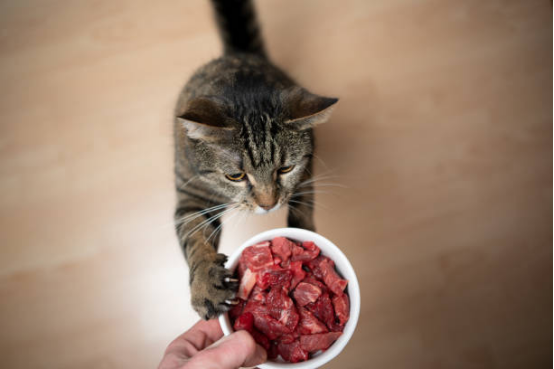
Some cultural or religious families avoid raw meat, but this does not prevent cats from growing up healthily. Nowadays, there are a variety of high-quality cat foods on the market that can meet the nutritional needs of cats, which is a convenient and safe choice.
If you are interested in making your own food, it is strongly recommended that you follow the professional advice of a veterinarian or pet nutritionist, monitor your cat’s health regularly, and adjust the recipe.
What is the correct way to feed raw meat?
If you insist on feeding raw meat, be sure to:
Buy meat that is designed for pets and has been inspected
Freeze meat thoroughly to kill parasites
Strict hygiene to avoid cross contamination
Supplement necessary nutrients, such as calcium powder, vitamins, etc.
Take your cat for regular checkups and monitor health indicators
Otherwise the risks are far greater than expected.
Scientific Advances in the Cat Food Industry
Modern cat food production technology is advanced, and products that are closer to natural diets are constantly being developed, such as freeze-dried cat food and fresh refrigerated cat food, which take into account both nutritional comprehensiveness and food safety.
Choosing a brand and type of cat food that is suitable for your cat is a scientific choice for cat-raising families.
Cat Diet Misconceptions and Care Tips
Cats cannot use dog food instead of cat food, the nutritional needs are different
Do not feed cats milk. Adult cats are lactose intolerant and prone to diarrhea.
Avoid excessive human food, especially toxic foods such as onions, garlic, and chocolate
Pay attention to the cat’s weight changes and hair condition, and adjust its diet in time
Protecting cats’ health with a scientific attitude
Cats are family members, and they are also lives that we need to take care of. Although feeding raw meat has its conceptual basis, it is full of risks and it is difficult for non-professionals to safely manage it.
Understanding the real nutritional needs of cats, combining individual health conditions, and choosing a reasonable diet are compulsory courses for every cat owner.
Animal care note: This article is for general education and owner awareness only. It is not veterinary diagnosis, treatment, emergency guidance, nutrition planning, or professional training advice. For illness, injury, diet changes, medications, behavioral risk, or urgent symptoms, consult a licensed veterinarian or qualified animal-care professional.