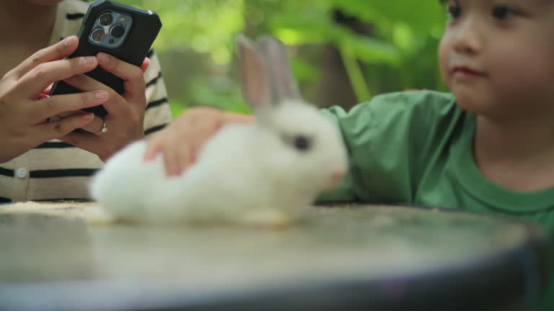
The Ultimate Guide to Capturing Warm and Loving Pet-Owner Portraits
Understanding the Bond: Why Emotion Drives Pet Photography
The secret to a truly “warm” pet portrait lies not in the camera gear, but in the visible connection between the subject and the pet. When we talk about “warm and loving” photos, we are referring to the capture of genuine affection—the subtle head tilt, the relaxed posture, and the mutual gaze.
The Psychology of Comfort
Pets are highly intuitive. If the owner is stressed, the pet will be restless. To achieve a loving aesthetic, the environment must be calm. Start by spending time playing with the pet before the camera even emerges to establish a bond and lower anxiety levels.

Technical Essentials for Warm Pet Portraits
Achieving a professional look requires a balance of fast shutter speeds to capture movement and wide apertures to create a soft, dreamy background (bokeh) that keeps the focus entirely on the emotional connection.
Recommended Settings Checklist
- Shutter Speed: Minimum 1/500s to freeze sudden pet movements.
- Aperture: f/2.8 or lower to isolate the subjects from the background.
- ISO: Keep as low as possible; use natural light to maintain warmth.
- Focus Mode: Continuous AF (AI Servo) is mandatory for tracking moving pets.
Pro Tips for Managing Dynamic Subjects
Working with animals is unpredictable. The difference between a snapshot and a masterpiece is preparation. Use treats, favorite squeaky toys, and, most importantly, patience. Never force a pose; instead, encourage natural interactions through play and rewards.
| Technique | Why It Works | Best For |
|---|---|---|
| Eye-Level Shooting | Creates intimacy and equality | Dogs and small pets |
| Candid Play | Captures authentic joy | High-energy pets |
| Close-up Portraits | Focuses on the bond | Quiet, reflective moments |
Frequently Asked Questions (FAQ)
- How do I get my pet to look at the camera?
- Use a “squeaker” or a high-value treat held just above the lens. However, for a more “loving” look, have the owner look at the pet instead of the camera, which encourages the pet to look at the owner.
- What is the best time of day for pet photography?
- The “Golden Hour”—shortly after sunrise or before sunset—provides the soft, warm, diffused light that naturally enhances the emotional quality of the portraits.
- Should I use a flash for indoor photos?
- It is better to avoid direct flash as it can startle pets and create harsh shadows. Use natural window light or continuous LED soft-box lighting instead.
- How can I keep the owner relaxed during the session?
- Give them clear, simple directions and encourage them to interact with their pet as they would at home. When the owner forgets about the camera, the most authentic moments occur.