The Ultimate Guide to Choosing the Perfect Dog Breed
Understanding the Diverse World of Canine Companions
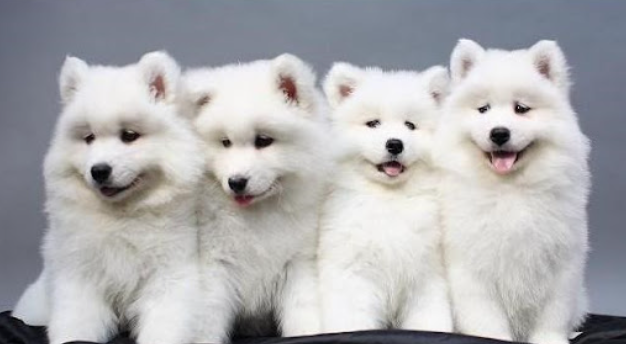
The decision to bring a dog into your home is a life-changing commitment that requires careful consideration of breed-specific traits. From the high-energy working drive of the Border Collie and Australian Shepherd to the calm, healing presence of the Samoyed, every breed brings a unique set of behaviors, grooming needs, and exercise requirements to the table. Understanding these nuances is the first step toward a harmonious human-animal relationship.
The Spectrum of Temperament
Dogs are not one-size-fits-all. Some breeds are bred for centuries to protect, such as the Rottweiler, Akita Inu, and Doberman. These breeds exhibit a natural sense of loyalty and territorial instinct. Conversely, companion breeds like the Bichon Frise or the Cavalier King Charles Spaniel are specifically adapted for emotional support and close human interaction. Recognizing these evolutionary purposes helps owners manage expectations regarding training and socialization.

High-Energy Breeds and Active Lifestyles
For individuals who lead an active lifestyle, certain breeds serve as perfect partners. The Vizsla, often called the “sunshine dog,” thrives on constant movement and attention. Similarly, the Husky, while historically a working sled dog, has transitioned into a popular family pet, though it requires significant mental stimulation to prevent destructive behavior. Understanding the “work” behind the breed is essential for owners living in urban or suburban environments.
Managing Working Instincts
- Border Collies: Known for their unmatched intelligence, these dogs require “jobs” to stay happy, whether through agility training or complex puzzle toys.
- Australian Shepherds: These overachievers demand intense physical activity; without it, they may attempt to herd family members or other pets.
- German Shepherds: As the “King of Dogs,” they excel in protection and service roles but require firm, consistent training to channel their protective instincts positively.

Small Breeds with Big Personalities
Small dogs are often perceived as mere lap dogs, but many breeds, such as the Miniature Schnauzer or the Irish Terrier, pack a punch in terms of courage and intelligence. The Pomeranian, for instance, possesses a feisty temperament that belies its small size, while the Chihuahua offers a surprising level of devotion and alertness. These breeds are excellent for apartment living but still require the same level of respect and training as their larger counterparts.
Care Considerations for Compact Companions
Small breeds often have different metabolic needs and sensitivities. For example, the Yorkshire Terrier is a fashion-world icon that requires meticulous grooming to maintain its coat quality. Meanwhile, the Pembroke Corgi, despite its short stature, is a high-energy herding dog that needs careful weight management to protect its long back.
| Breed Category | Best For | Key Trait |
|---|---|---|
| Guardians | Security & Loyalty | Protective Instinct |
| Working | Active Owners | High Stamina |
| Companion | Families/Seniors | Affectionate Nature |
Frequently Asked Questions (FAQ)
- Q1: Which dog breed is best for a first-time owner?
- Breeds like the Labrador Retriever or Cavalier King Charles Spaniel are often recommended due to their friendly, eager-to-please, and adaptable temperaments.
- Q2: Do all working breeds need a farm to live on?
- Not necessarily. While breeds like the Border Collie or Australian Shepherd have high energy, they can thrive in urban settings if the owner provides sufficient mental stimulation, training, and daily vigorous exercise.
- Q3: How do I handle a dog with a strong protective instinct?
- Socialization is key. Breeds like Rottweilers and Akitas require early and consistent exposure to different people, environments, and other animals to ensure their protective nature remains balanced and controlled.
- Q4: Are small dogs harder to train than large dogs?
- No. Often, owners may slack on training for smaller dogs, which leads to “small dog syndrome.” With consistent, positive reinforcement, breeds like Chihuahuas or Miniature Schnauzers are highly trainable and intelligent.