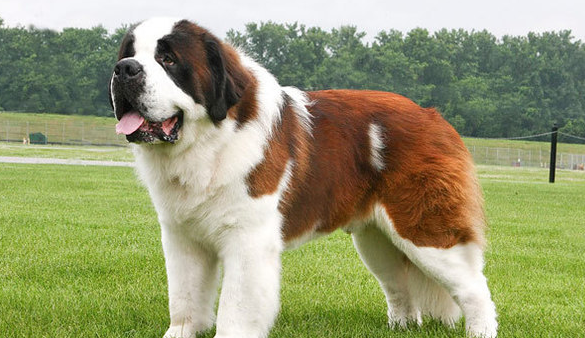
The Ultimate Guide to Gentle Giant Dog Breeds for Families
Understanding the Gentle Giant Archetype
Many prospective dog owners are intimidated by the sheer physical presence of giant breeds. However, the term “Gentle Giant” is not merely a marketing term; it describes a specific behavioral profile common in breeds like the Saint Bernard, Great Dane, and Great Pyrenees. These dogs, despite their massive stature, often exhibit a calm, patient, and protective demeanor that makes them exceptional family companions.
The Psychology of Large Breed Temperament
Large breeds often possess a slower, more deliberate energy compared to smaller, high-strung breeds. This physiological reality—a slower metabolic rate and significant body mass—often translates into a lower threshold for excitement, resulting in a dog that is less likely to react impulsively to environmental stressors.
- Patience: Most giants are highly tolerant of children, often demonstrating a “nanny-like” instinct.
- Self-Awareness: Many giant breeds are surprisingly aware of their size and will move with caution around fragile family members.
- Protection vs. Aggression: Their primary instinct is typically guarding or presence-based deterrents rather than active aggression.

Profiling Popular Giant Breeds
Selecting a giant breed requires understanding the specific lineage and purpose for which the dog was bred. While they share a size category, their temperaments and maintenance needs vary significantly.
The Saint Bernard: The Alpine Guardian
Renowned for their history as rescue dogs, the Saint Bernard is perhaps the most iconic gentle giant. They are characterized by a deep devotion to their human pack and a remarkably steady temperament. They require consistent socialization to manage their protective instincts, but they are rarely aggressive without cause.
The Great Dane: The Apollo of Dogs
Despite being nicknamed the “Apollo of Dogs” for their athletic build, the Great Dane is famously known as a “couch potato.” They are social creatures who thrive on human interaction and can experience separation anxiety if left alone for extended periods.
The Great Pyrenees: The Independent Protector
Unlike the social Great Dane, the Great Pyrenees is an independent guardian. They were bred to work alone in the mountains, meaning they possess a strong sense of autonomy. Training a Pyrenees requires patience and positive reinforcement, as they do not respond well to harsh commands.

Comparative Data: Giant Breed Characteristics
When choosing a giant breed, owners must evaluate the trade-offs between temperament, grooming needs, and space requirements. The following table provides a high-level comparison of these popular companions.
| Breed | Temperament | Energy Level | Grooming Needs |
|---|---|---|---|
| Saint Bernard | Patient/Devoted | Low | High |
| Great Dane | Affectionate/Social | Moderate | Low |
| Great Pyrenees | Independent/Watchful | Moderate | High |

Essential Care for Giant Breeds
Owning a giant dog is a significant financial and physical commitment. Their size dictates specific health and environmental requirements that smaller dogs do not face.
Joint Health and Nutrition
Because of their massive frames, giant breeds are prone to joint issues such as hip dysplasia and arthritis. Providing high-quality, growth-appropriate nutrition during their puppy years is critical to preventing skeletal issues later in life.
Environmental Needs
Giant dogs require space, not just for movement, but for comfort. They need large, supportive orthopedic beds to protect their joints, and they generally do not thrive in cramped, high-rise urban environments without consistent access to open, safe exercise areas.
Frequently Asked Questions (FAQ)
- Q1: Are giant breeds good for families with small children?
- Yes, many giant breeds, particularly the Saint Bernard and Great Dane, are known for their extreme patience with children. However, due to their size, adult supervision is always mandatory to prevent accidental injury during play.
- Q2: How much exercise does a giant breed actually need?
- It varies by breed. While a Great Dane needs moderate daily walks, a Great Pyrenees may prefer patrolling a perimeter. Over-exercising puppies, however, is dangerous and can lead to long-term bone and joint damage.
- Q3: Do giant dogs have shorter lifespans?
- Unfortunately, yes. Giant breeds generally have shorter lifespans than smaller breeds, often ranging from 7 to 10 years. Proper nutrition, regular vet check-ups, and weight management are the best ways to maximize their health.
- Q4: Is it expensive to own a giant dog?
- Significantly. Costs related to food, medication (which is often dosed by weight), and boarding are substantially higher for giant breeds than for medium or small-sized dogs.