
The Ultimate Guide to Dog Kennels: Stopping Chewing and Finding the Perfect Spot
For many dog owners, a kennel or crate is an essential tool for training, safety, and providing their canine companion with a personal space. However, this tool can quickly become a source of frustration when you discover it’s been chewed to pieces. This destructive behavior, coupled with the challenge of finding the perfect place for the kennel in your home, can be overwhelming. This comprehensive guide will address these two critical issues head-on. We will explore the deep-seated reasons behind kennel chewing and provide a complete roadmap for selecting the right kennel and implementing effective strategies to stop the destruction. Additionally, we will dissect the principles of proper kennel placement, ensuring your dog’s private den is a sanctuary of comfort and security, not a place of isolation or stress.
Why Dogs Chew Their Kennels: A Deep Dive into Canine Behavior
Discovering a damaged kennel is disheartening, but understanding the root cause is the first step toward a solution. Chewing is a natural canine behavior, but when it’s directed at their kennel, it often signals an underlying issue. It is rarely done out of spite; instead, it’s a coping mechanism or a symptom of a specific need not being met. By identifying the trigger, you can address the problem effectively and compassionately.
Separation Anxiety and Stress
One of the most common culprits behind kennel destruction is separation anxiety. For a dog that experiences panic when left alone, the kennel can become the focal point of their distress. The chewing is an attempt to escape and reunite with their owner. It can also be a self-soothing behavior, albeit a destructive one. Signs of separation anxiety often include excessive vocalization (barking or whining), pacing, and attempts to break out of the enclosure. The dog isn’t being “bad”; they are experiencing genuine fear and are trying to cope in the only way they know how.
Boredom and Lack of Stimulation
A bored dog is a destructive dog. If a canine isn’t receiving enough physical exercise or mental stimulation throughout the day, they will find their own ways to release pent-up energy. The kennel, being a confined space, offers limited options for entertainment, and its bars or plastic walls can become an enticing chew toy. This is especially true for high-energy breeds that require significant activity to remain content. Without adequate outlets like long walks, puzzle toys, or training sessions, the kennel itself bears the brunt of their frustration.
Teething Pains in Puppies
For puppies, chewing is a fundamental part of development. Between the ages of three to six months, puppies experience discomfort as their adult teeth come in. Chewing helps to alleviate the pain and pressure on their gums. During this phase, a puppy will chew on almost anything they can get their mouth on, and the kennel is no exception. It’s crucial to provide them with appropriate, safe chew toys to redirect this natural behavior away from their den and your furniture.
The Kennel Itself: Material and Design Flaws
Sometimes, the problem is the kennel. Softer plastic kennels can be particularly tempting, as a determined dog can easily get a purchase on an edge or vent and begin to gnaw. Wire kennels can also be bent or broken by powerful chewers. If the kennel is too large, it may not feel like a secure den, and if it’s too small, it can cause discomfort and stress, leading to chewing as a response. The material and construction quality are paramount for dogs with a history of destructive chewing.

Creating a Chew-Proof Sanctuary: Solutions and Strategies
Once you have a better understanding of why your dog is chewing, you can implement targeted solutions. The goal is twofold: to make the kennel itself less chewable and to address the underlying behavioral reason for the chewing. This requires a combination of management, training, and enrichment to transform the kennel into a positive and indestructible space.
Choosing the Right Kennel: A Durability Guide
The first line of defense against a destructive chewer is an appropriate kennel. Not all crates are created equal, and selecting the right one can save you money and stress in the long run.
- Plastic Kennels: These are common but often the easiest for determined dogs to destroy. They are best suited for puppies who can be redirected or for adult dogs without a history of chewing.
- Wire Kennels: While offering better ventilation, the wires can be bent by strong dogs. They can also pose a risk if a dog breaks a wire and creates a sharp edge.
- Heavy-Duty Metal or Steel Kennels: For serious chewers, this is often the best investment. These kennels are built with reinforced steel bars and stronger latching mechanisms, making them virtually indestructible. They are often marketed as “escape-proof” or “chew-proof.”
Making the Kennel an Appealing Den
The kennel should never be used for punishment. It must be associated with positive experiences. This process, known as positive reinforcement, is critical. Start by feeding your dog their meals inside the kennel with the door open. Toss high-value treats inside for them to find. Provide comfortable, durable bedding (if they don’t chew it) and special toys that they only get when they are in their kennel. This helps build a strong, positive association, turning the kennel into a place they want to be.
The Power of Enrichment to Combat Boredom
Addressing boredom is essential. Before crating your dog, ensure they have had adequate physical exercise. A tired dog is a calm dog. Furthermore, provide mental stimulation inside the crate with safe and durable enrichment toys. Food-dispensing toys like Kongs stuffed with frozen peanut butter or puzzle feeders can keep a dog occupied for a significant amount of time, focusing their chewing instincts on an appropriate object rather than the kennel itself.
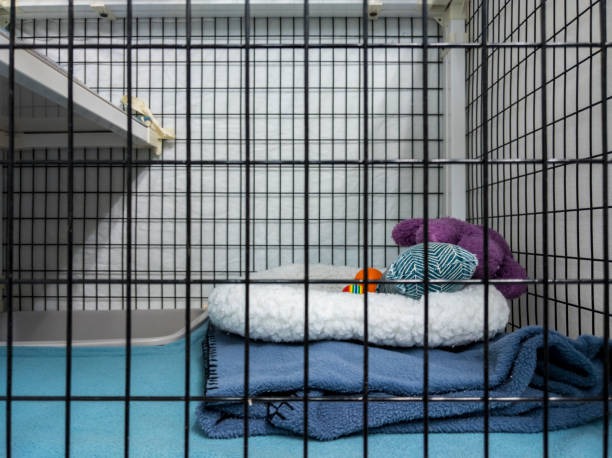
The Art of Placement: Finding the Perfect Spot for Your Dog’s Kennel
Where you place the kennel is just as important as the kennel itself. A dog’s natural den instinct drives them to seek out safe, secure, and quiet spaces. The location of their kennel can either support this instinct, making them feel secure, or work against it, causing anxiety and discomfort. Proper placement helps integrate the kennel into the home as a positive fixture in your dog’s life.
Key Principles of Ideal Kennel Location
The best location for a dog’s kennel is one that balances their need for inclusion with their need for peace. Dogs are pack animals and generally want to be near their family. An ideal spot is in a room where the family spends a lot of time, but in a corner or area that is out of the direct line of foot traffic. This allows the dog to observe the family’s activities without being constantly disturbed. The area should also have a consistent, comfortable temperature, away from drafts or direct heat sources.
The Best Places in Your Home for a Dog Kennel
Based on the principles above, certain locations in the home are typically more successful than others. Consider these options:
- The Living Room: A quiet corner of the living room or family room is often a perfect choice. It allows your dog to be with the “pack” during relaxation time.
- A Home Office: If you spend a lot of time working from home, placing the kennel in your office can provide your dog with comfort and companionship throughout the day.
- Your Bedroom: Many owners find success placing the kennel in their bedroom, especially at night. This can be particularly reassuring for dogs with separation anxiety, as your presence is calming.
Locations to Strictly Avoid
Just as there are ideal spots, there are also locations that can induce stress and should be avoided. Placing a kennel in a high-traffic hallway, for example, can be disruptive and prevent your dog from relaxing. Avoid isolating the dog in a basement, garage, or laundry room, as this can exacerbate feelings of anxiety and social exclusion. Finally, never place a kennel directly next to a radiator, in front of a drafty window, or in direct, constant sunlight, as temperature regulation is key to their comfort.
Integrating the Kennel into Your Dog’s Daily Routine
A kennel is most effective when it’s seamlessly integrated into your dog’s life as a normal, positive part of their routine. This goes beyond initial training and involves using the kennel consistently for management and safety. Proper integration reinforces the idea that the kennel is their personal, safe space for various situations.
Crate Training Basics for a Positive Experience
Successful crate integration starts with foundational training. The process should be slow and positive. Lure your dog in with treats for short periods, gradually increasing the duration. Never force them inside. Use a consistent verbal cue, like “kennel” or “go to your place.” The goal is for the dog to enter the kennel voluntarily, knowing it’s a place for rest and rewards. This foundational work prevents the kennel from becoming associated with the negative experience of you leaving the house.
Using the Kennel for Safety and Management
Beyond being a den, the kennel is an invaluable management tool. It’s a safe place to put your dog during times when you cannot supervise them, preventing household destruction or ingestion of harmful items. It’s also perfect for when you have guests who may be fearful of dogs, or during house-training to prevent accidents. When traveling, a kennel keeps your dog secure in the car and provides them with a familiar, safe space in a new environment. Consistent use in these low-stress situations helps maintain its positive association.
Frequently Asked Questions (FAQ)
- What is the best material for a chew-proof dog kennel?
- For dogs that are aggressive or persistent chewers, the best choice is a heavy-duty steel kennel. These are specifically designed to withstand significant force and prevent chewing. Look for models with thick, welded steel bars and secure locking mechanisms. While more expensive, they are a worthwhile investment for safety and longevity compared to plastic or standard wire crates.
- How can I stop my puppy from chewing its plastic kennel?
- Puppy chewing is often related to teething. The key is redirection. Provide your puppy with a variety of safe and appealing chew toys inside the kennel, such as a frozen Kong or a durable rubber toy. You can also use a bitter-tasting but pet-safe spray on the kennel edges to make them unappealing. Ensure the puppy is getting plenty of exercise outside the kennel to burn off excess energy.
- Should my dog’s kennel be in my bedroom?
- Placing the kennel in your bedroom can be very beneficial, especially for puppies and dogs with anxiety. Your presence is calming and helps them feel secure and part of the pack. It can aid in house-training a puppy, as you’ll be able to hear if they need to go out during the night. If you are a light sleeper, you might consider moving it to a quiet corner of the living room once the dog is older and more confident.
- Is it cruel to leave a dog in a kennel all day?
- A kennel should be a short-term management tool, not a place where a dog spends the majority of their day. Adult dogs should not be left in a crate for more than 6-8 hours at a time, and puppies need much more frequent breaks. It is crucial that the dog receives ample exercise, social interaction, and mental stimulation before and after being kenneled. If your work schedule requires longer periods, consider hiring a dog walker or using a doggy daycare service.
- How do I know if my dog’s chewing is due to anxiety or boredom?
- Observe your dog’s overall behavior. Chewing from boredom often occurs in dogs that lack sufficient daily exercise or mental enrichment. Chewing from separation anxiety is typically accompanied by other signs of distress when you prepare to leave or after you’re gone, such as pacing, excessive barking or howling, and escape attempts that may result in self-injury. If you suspect severe anxiety, it is best to consult with a veterinarian or a certified professional dog trainer.
Animal care note: This article is for general education and owner awareness only. It is not veterinary diagnosis, treatment, emergency guidance, nutrition planning, or professional training advice. For illness, injury, diet changes, medications, behavioral risk, or urgent symptoms, consult a licensed veterinarian or qualified animal-care professional.