
Understanding Dog Kennel Psychology: Behavior, Security, and Territorial Instincts
For many dog owners, the kennel or crate is simply a piece of furniture or a tool for housebreaking. However, from a canine perspective, the kennel is a complex environment rich with psychological significance. It represents a modern-day “den”—a sanctuary where instincts for security, territory, and communication converge. Understanding the nuances of how a dog interacts with this space is essential for fostering a healthy relationship and ensuring the animal’s emotional well-being.
Decoding the Secret Language of the Kennel
Dogs communicate through a sophisticated array of physical signals. When a dog is inside or near its kennel, these signals provide a window into its current state of mind, ranging from absolute relaxation to high-alert anxiety. Recognizing these signs allows owners to intervene before stress escalates or to reinforce positive associations with the space.
Body Posture and Positioning
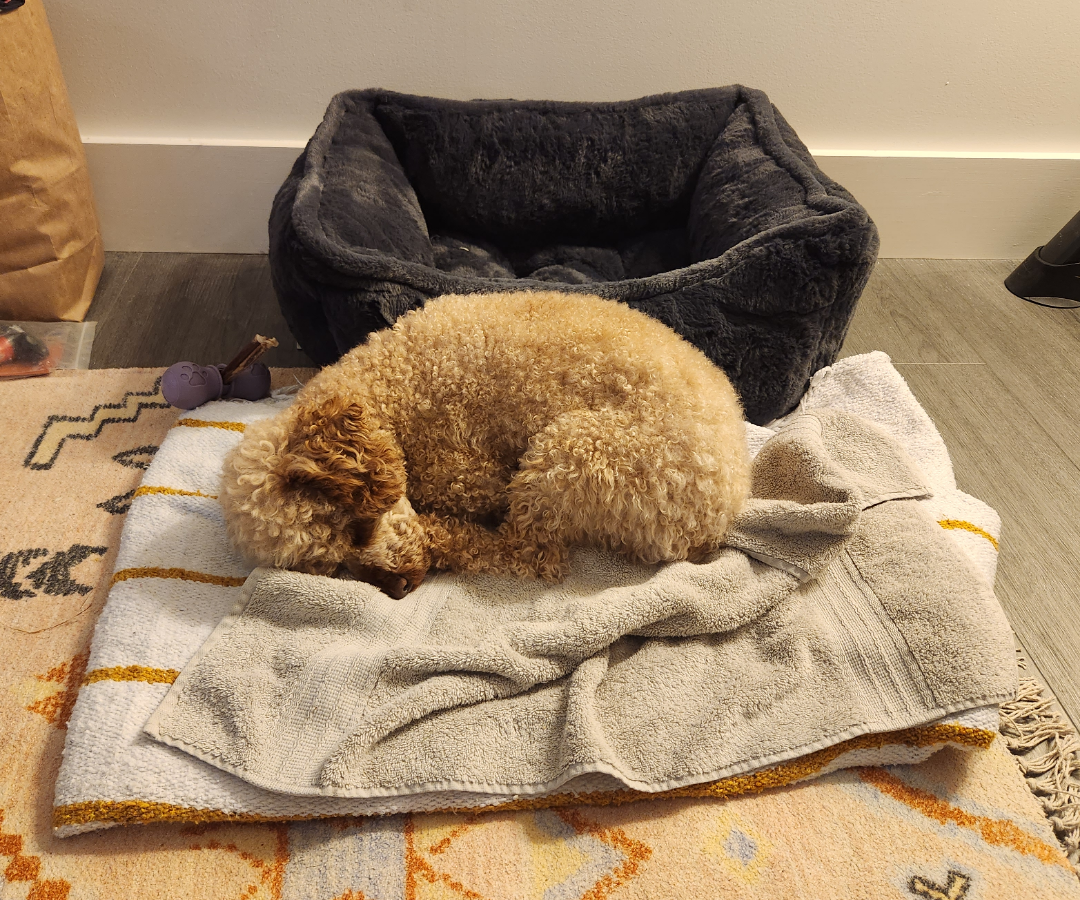
The way a dog carries itself within the kennel is the most immediate indicator of its comfort level. A relaxed dog will often sprawl out, sometimes even sleeping on its back with paws in the air—a position that exposes vulnerable organs and signals a total lack of perceived threats. Conversely, a dog that tightly curls into a ball or sits rigidly at the back of the kennel may be seeking to minimize its profile, indicating a need for greater security or a response to external stressors.
Facial Expressions and Eye Contact
Owners should pay close attention to the eyes and mouth. “Whale eye,” where the whites of the eyes are visible, often occurs when a dog is guarding its kennel or feels cornered. A relaxed mouth, slightly open, suggests contentment. However, lip licking or excessive yawning when placed in the kennel are classic “calming signals,” indicating that the dog is attempting to self-soothe in a situation it finds mildly distressing.
- Relaxed Ears: Ears in a neutral position suggest the dog views the kennel as a safe zone.
- Tucked Tail: If the tail is tucked between the legs while inside, the dog is likely experiencing fear or submission.
- Pacing: Repetitive movement within the crate can be a sign of confinement distress or separation anxiety.
The Psychology of Kennel Dining: Why Security Matters
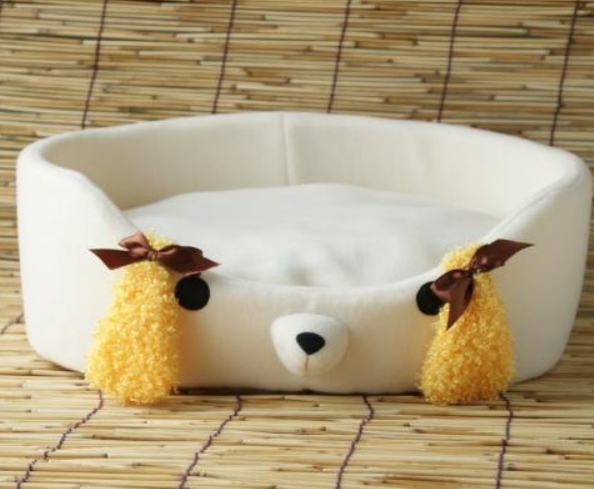
Many owners observe a peculiar behavior: their dog insists on taking treats or even full meals into their kennel to eat. While this might seem like a messy habit, it is deeply rooted in the evolutionary history of canines as “den animals.” The act of eating in the kennel is a profound expression of the dog’s need for a secure environment where they do not have to worry about competition or interruption.
The Den Instinct and Resource Protection
In the wild, a successful hunt is followed by the challenge of keeping the prize. Bringing food back to a secluded den prevents scavengers or higher-ranking pack members from stealing the meal. In a domestic setting, even if there are no other pets, the instinct persists. The kennel provides physical boundaries that offer a sense of “back-cover,” allowing the dog to lower its guard and focus entirely on consumption.
Addressing Multi-Pet Dynamics
In households with multiple dogs, the kennel often becomes a necessary tool for mealtime management. It prevents “food bullying” and ensures that each dog can eat at its own pace without the stress of a neighbor hovering nearby. This physical separation reduces the cortisol levels associated with mealtime competition, leading to better digestion and a calmer overall temperament.
| Behavior | Possible Meaning | Recommended Action |
|---|---|---|
| Taking food to kennel | Seeking security/privacy | Allow the behavior; it builds positive crate association. |
| Hiding food in bedding | Saving for later/High anxiety | Monitor for spoilage; check if the dog feels the need to “hoard.” |
| Refusing to eat in kennel | Negative association with crate | Feed near the crate first, slowly moving the bowl inside over days. |
Territorial Awareness: Understanding the Concept of Ownership
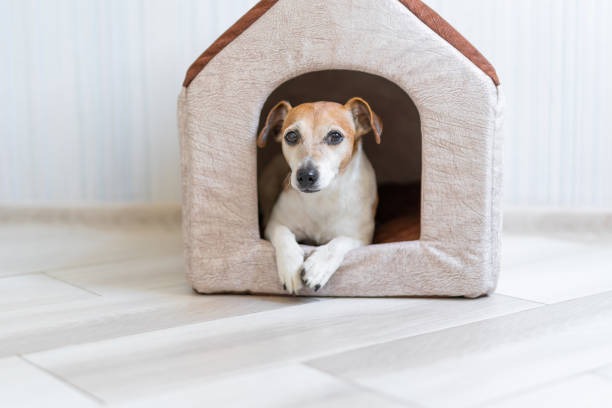
Do dogs understand the concept of “mine”? While they may not understand the legalities of property, they have a very clear sense of territorial boundaries and resource value. A kennel that has been used by one dog for a long period becomes saturated with its scent, effectively marking it as that individual’s private domain.
The Role of Scent in Defining Space
A dog’s sense of smell is its primary way of navigating the world. The kennel is not just a physical structure; it is a “scent profile.” When a dog enters its kennel, it is surrounded by its own pheromones, which provides a powerful calming effect. This is why introducing a new dog into a “used” kennel without thorough cleaning can lead to immediate conflict; the newcomer feels like an intruder, and the original occupant feels violated.
Can Dogs Share a Kennel?
While some bonded pairs enjoy sleeping together, forcing dogs to share a single kennel can lead to “low-level” chronic stress. Even the most social dogs require a space where they can be “off-duty.” Ownership of a specific spot allows a dog to regulate its own social interactions, retreating when it feels overwhelmed by the household’s activity.
Managing Resource Guarding and Nest Protection
Resource guarding occurs when a dog becomes reactive—growling, snapping, or stiffening—to protect something it deems valuable. When that “something” is the kennel itself, it is often referred to as “nest guarding.” This behavior is a double-edged sword: it shows the dog values the space, but it can become a safety hazard for owners and other pets.
Distinguishing Security from Aggression
It is vital to distinguish between a dog that is simply saying “I need space” and one that is exhibiting dominant aggression. Most kennel guarding is fear-based. The dog views the kennel as its only safe retreat, and when a human reaches in, that safety is perceived as being under threat. Understanding this shift in perspective is the first step in remedial training.
Step-by-Step De-escalation Strategies
To manage a dog that guards its nest, owners should implement a “nothing in life is free” protocol combined with positive reinforcement. Never reach into a kennel to pull a dog out; instead, lure them out with high-value treats. This changes the association from “my space is being invaded” to “leaving my space results in a reward.”
- The “Drop It” Command: Practice dropping treats near the kennel entrance without reaching inside.
- Scent Swapping: In multi-dog homes, swap bedding occasionally to habituate dogs to each other’s scents in a neutral way.
- Visual Barriers: Using a crate cover can often reduce guarding behavior by limiting the dog’s “line of sight” to perceived threats outside the crate.
Creating a Stress-Free Kennel Environment
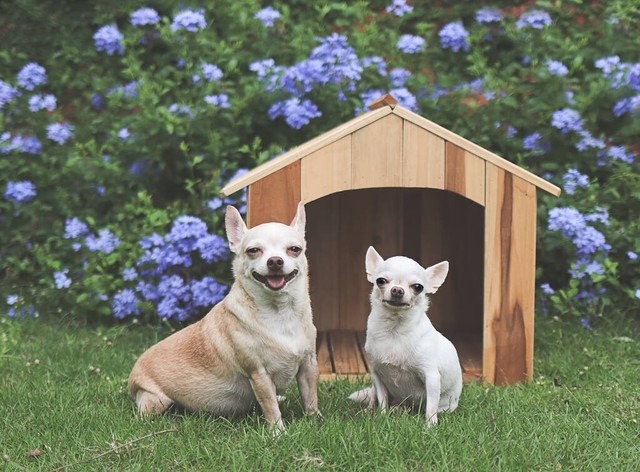
The ultimate goal of understanding kennel psychology is to create an environment that promotes rest and recovery. A well-managed kennel should be the dog’s favorite place in the house, a “bedroom” rather than a “prison.” This requires careful attention to placement, size, and the dog’s individual personality.
Optimal Placement and Atmosphere
The location of the kennel significantly impacts the dog’s stress levels. Placing it in a high-traffic area like a narrow hallway can make a dog feel “trapped” by passing people. Conversely, placing it in a completely isolated basement can trigger separation anxiety. The ideal spot is a quiet corner of a room where the family spends time, allowing the dog to feel included in the “pack” without being in the middle of the chaos.
The Importance of Progressive Introduction
Forcing a dog into a kennel before they are ready can create a lifelong aversion. The process should be gradual. Start by placing the kennel in the living room with the door propped open. Hide treats inside for the dog to find on its own. Only when the dog is voluntarily napping inside should you begin short sessions with the door closed.

Advanced Strategies for Long-Term Kennel Success
As a dog matures, its relationship with its kennel may change. Puppies often need the kennel for safety and boundaries, while senior dogs may need it for orthopedic support and a quiet place away from energetic children or younger pets. Adapting the kennel environment to the dog’s life stage is a hallmark of responsible ownership.
Orthopedic Considerations for Seniors
For older dogs, the kennel should be fitted with high-quality memory foam bedding to support aching joints. Ensure the entrance is low enough that the dog doesn’t have to “step up” significantly, which can be painful for dogs with arthritis or hip dysplasia. The kennel becomes a therapeutic space in these instances.
Using Technology and Pheromones
Modern solutions such as Adaptil (synthetic dog appeasing pheromones) can be used within the kennel area to create an aura of calm. Additionally, playing “through a dog’s ear” (bio-acoustic music) near the kennel can mask frightening noises like thunderstorms or fireworks, further cementing the kennel’s reputation as a safe harbor.
Frequently Asked Questions (FAQ)
- Q1: Why does my dog growl when I try to pet him while he is in his kennel?
- This is likely resource guarding or “nest guarding.” Your dog views the kennel as a private, secure sanctuary. When you reach in, you are invading that safe zone. It is best to call your dog out of the kennel and reward them before offering affection, rather than reaching into their private space.
- Q2: Is it okay to use the kennel as a form of punishment?
- No. The kennel should always be associated with positive experiences. Using it as a “time-out” for bad behavior can lead the dog to fear or resent the space, which destroys its effectiveness as a safety sanctuary and can lead to increased anxiety and barking.
- Q3: My dog carries all his toys into the kennel. Should I stop him?
- Generally, no. This is a sign that your dog feels the kennel is his personal “treasure chest.” As long as he isn’t aggressively guarding the toys when you approach, this behavior shows a high level of comfort and “ownership” of his space.
- Q4: How long is too long for a dog to stay in a kennel during the day?
- Adult dogs should generally not be crated for more than 6-8 hours at a time, and puppies significantly less (usually their age in months plus one hour). Prolonged confinement can lead to physical stiffness and psychological distress. Always ensure they have had ample exercise before and after kennel time.
- Q5: Why does my dog start “digging” at the bottom of the kennel before lying down?
- This is an ancestral nesting behavior. In the wild, dogs would dig to create a comfortable, temperature-regulated depression in the earth. In a kennel, they are simply trying to “arrange their bed” to their liking. Providing soft blankets can satisfy this instinct.
Animal care note: This article is for general education and owner awareness only. It is not veterinary diagnosis, treatment, emergency guidance, nutrition planning, or professional training advice. For illness, injury, diet changes, medications, behavioral risk, or urgent symptoms, consult a licensed veterinarian or qualified animal-care professional.