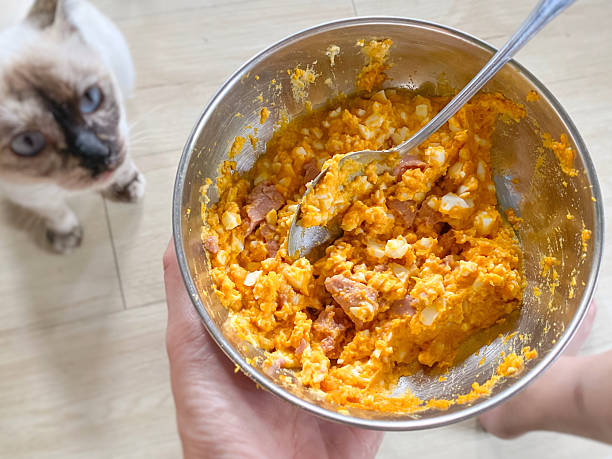
The Ultimate Guide to Feline Protein Requirements: From Wild Prey to Homemade Diets
Source: https://www.aobserve.com/from-wild-prey-to-food-what-protein-structure-do-cats-really-need/
The Biological Blueprint: Why Cats Are Obligate Carnivores
To understand the protein needs of a domestic cat, one must first look at their wild ancestors. Cats are “obligate carnivores,” a biological classification meaning they are strictly required by their genetic makeup to consume animal tissue. Unlike dogs or humans, felines have lost the metabolic pathways necessary to synthesize certain essential nutrients from plant matter.
The feline liver possesses a unique enzyme system that is constantly “turned on” to process protein for energy (gluconeogenesis). While other mammals can downregulate protein metabolism when intake is low, cats continue to burn protein at a high rate. This evolutionary trait makes a high-protein diet not just a preference, but a survival necessity.
Essential Amino Acids: The Building Blocks
Proteins are comprised of amino acids, and for cats, several are non-negotiable. Taurine is perhaps the most critical; found almost exclusively in animal muscle and organs, a deficiency leads to dilated cardiomyopathy and blindness. Arginine is another vital component, required to process ammonia—a byproduct of protein breakdown—out of the body. Without sufficient arginine, even a single meal can lead to toxic ammonia buildup.

Comparing Protein Sources: Biological Value and Bioavailability
Not all proteins are created equal. In the context of feline nutrition, we measure quality through “Biological Value” (BV). BV indicates how efficiently a cat’s body can utilize the protein it consumes. High-quality animal proteins have a high BV because their amino acid profiles closely match the cat’s biological requirements.
Plant-based proteins, such as gluten or soy, often lack the specific amino acids (like methionine and cysteine) that cats need in high concentrations. Furthermore, the feline digestive tract is short and optimized for rapid digestion of animal tissues, making the complex fibers in plant proteins harder to process and less bioavailable.
| Protein Source | Biological Value (Approx.) | Key Nutrient Profile |
|---|---|---|
| Whole Egg | 100 | Highest bioavailability, complete amino acids. |
| Chicken/Beef | 80-90 | Excellent source of taurine and B-vitamins. |
| Fish | 75-80 | High in Omega-3s, but must be cooked to neutralize thiaminase. |
| Wheat/Corn Gluten | 40-50 | Poor amino acid match; difficult for cats to digest. |

From Field to Bowl: Replicating the Wild Prey Amino Acid Profile
In the wild, a cat’s diet consists of small rodents, birds, and insects. This “prey model” typically consists of 50-60% protein, 30-40% fat, and less than 5% carbohydrates. When creating homemade cat food, the goal is to replicate this protein structure while ensuring the micronutrient balance is preserved.
The protein in wild prey is not just skeletal muscle. It includes connective tissue, skin, and organs. Heart meat, for example, is the densest natural source of taurine. Liver provides essential Vitamin A and copper. When formulating a homemade diet, relying solely on chicken breast or lean ground beef will lead to nutritional deficiencies.
The Impact of Heat on Protein Structure
Commercial kibble is often processed at extremely high temperatures, which can denature proteins and destroy sensitive amino acids like taurine. This is why synthetic supplements are added back into commercial foods. Homemade diets allow for gentler cooking methods or raw preparation, which preserves the natural integrity of the protein structure and ensures maximum nutrient absorption.
Technical Checklist for Homemade Protein Formulation
When preparing homemade meals, use this checklist to ensure the protein component meets the “Wild Prey” standard:
- Variety of Species: Rotate between poultry, rabbit, and beef to provide a broader amino acid spectrum.
- Organ Inclusion: Ensure at least 10-15% of the protein mass comes from organs (liver, heart, kidney).
- Moisture Content: Keep the protein hydrated. Wild prey is 70% water; homemade food should mimic this.
- Avoid Fillers: Eliminate peas, potatoes, and grains which can interfere with protein digestibility.
- Freshness: Use human-grade meats to avoid the biogenic amines found in “pet-grade” rendered meats.
Pro Tips for Expert Feline Nutrition
To truly optimize your cat’s health, consider the “Bio-Appropriate” approach. Always prioritize fresh muscle meat over meat meals. If you are cooking the protein, save the “meat juices” or broth, as many water-soluble amino acids and minerals leach out during the cooking process. Adding these back into the bowl ensures your cat receives the full nutritional value of the ingredient.
Frequently Asked Questions (FAQ)
- Can cats survive on a vegetarian protein source?
- No. Cats are obligate carnivores. They lack the enzymes to convert plant-based precursors into essential nutrients like Vitamin A, Arachidonic Acid, and Taurine. A vegetarian diet will eventually lead to organ failure in felines.
- How much protein does a cat need daily?
- An average adult cat requires approximately 2 grams of high-quality animal protein per pound of body weight. This requirement may increase for growing kittens or pregnant queens.
- Is too much protein bad for a cat’s kidneys?
- In healthy cats, high-quality protein does not cause kidney disease. However, for cats with pre-existing advanced kidney disease, phosphorus levels (often found in protein) may need to be managed under veterinary supervision.
- Why is taurine specifically found in animal tissue?
- Taurine is an amino sulfonic acid that is found in high concentrations in the brain, heart, and eyes of animals. Plants do not have a nervous system or muscular structure similar to animals, and thus do not produce taurine.
- Should I feed raw or cooked protein in a homemade diet?
- Both have benefits. Raw protein preserves all enzymes and nutrients but carries a risk of bacterial contamination if not handled properly. Lightly cooked protein is safer for cats with compromised immune systems while still providing superior nutrition to kibble.
Animal care note: This article is for general education and owner awareness only. It is not veterinary diagnosis, treatment, emergency guidance, nutrition planning, or professional training advice. For illness, injury, diet changes, medications, behavioral risk, or urgent symptoms, consult a licensed veterinarian or qualified animal-care professional.