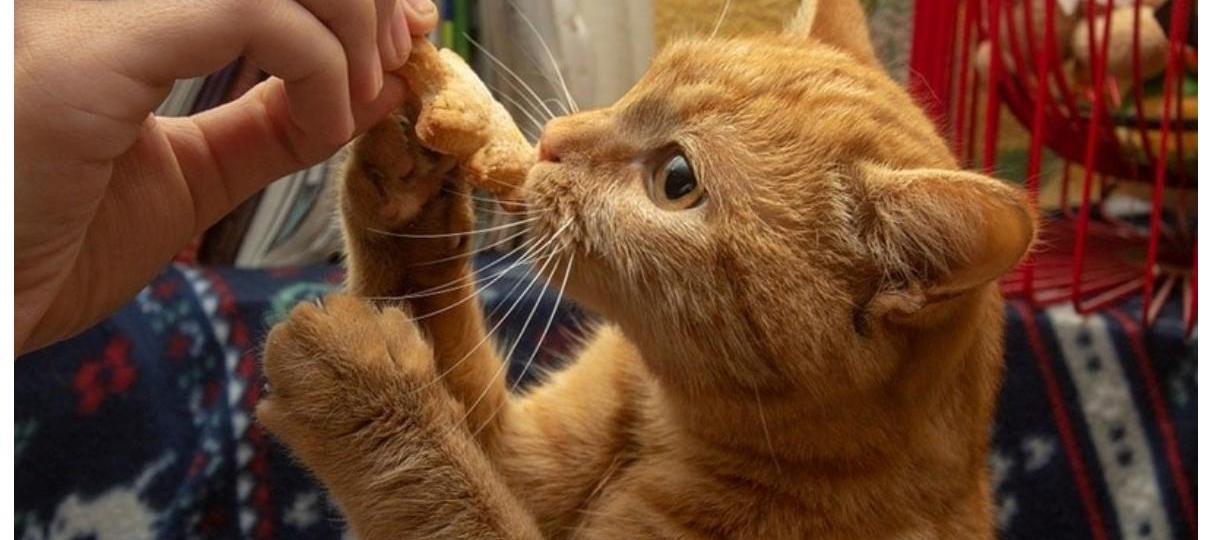
The Ultimate Guide to Homemade Healthy Cat Treats and Meals
The Nutritional Benefits of Pumpkin for Feline Digestive Health
Pumpkin is widely recognized by feline nutritionists as a powerhouse ingredient for digestive support. It is naturally rich in soluble fiber, which helps regulate bowel movements, preventing both constipation and diarrhea. Beyond digestion, pumpkin provides a concentrated source of Vitamin A, Vitamin C, and essential minerals like potassium and iron, all of which contribute to a shiny coat and a robust immune system.
Understanding Fiber Requirements
While cats are obligate carnivores, they can derive significant benefits from specific plant-based fiber sources when prepared correctly. Pumpkin acts as a prebiotic, nourishing the beneficial bacteria in the feline gut microbiome.
- Digestive Regulation: The high water and fiber content aids in moving hairballs through the digestive tract.
- Weight Management: Pumpkin is low in calories, making it an excellent filler for cats on a weight-loss regimen without sacrificing satiety.

Crafting Gourmet Homemade Pumpkin Treats
Creating treats at home allows you to bypass the artificial preservatives, heavy salts, and unnecessary fillers found in many commercial products. When preparing pumpkin treats, always ensure you are using 100% pure canned pumpkin puree—never pumpkin pie filling, which contains toxic spices like nutmeg and high sugar levels.
Simple Recipe Formulation
To create a basic pumpkin treat, combine plain pumpkin puree with a binding agent like oat flour or coconut flour. You can incorporate small amounts of cooked salmon or chicken to increase protein density, making the treat more palatable for picky eaters.
| Ingredient | Benefit |
|---|---|
| Pumpkin Puree | Digestive health & fiber |
| Coconut Flour | Grain-free binder |
| Egg (Binder) | Protein & amino acids |

Incorporating Canned Seafood and Vegetables
Canned seafood, such as sardines or tuna packed in water (no salt added), provides high-quality omega-3 fatty acids. These fatty acids are crucial for reducing inflammation and maintaining joint health. When combined with steamed vegetables like carrots or green beans, you create a balanced, nutrient-dense meal topper or snack.
Safety Guidelines for Seafood Consumption
Not all canned fish is suitable for cats. It is imperative to check labels for “in water” versus “in oil” and ensure there is zero added sodium. Excessive salt intake can lead to dehydration and kidney stress in cats.
- Sardines: An excellent source of Coenzyme Q10 and Vitamin B12.
- Carrots: Provide beta-carotene, which converts to Vitamin A, essential for vision.
- Green Beans: Excellent for adding bulk to meals for obese cats.

Advanced Preparation Strategies for Feline Nutrition
Efficiency in the kitchen is key to maintaining a consistent homemade feeding schedule. Batch cooking allows you to prepare a week’s worth of treats or toppers, which can be frozen in silicone molds for easy portion control. Always allow cooked components to reach room temperature before serving to avoid stomach upset.
Storage and Preservation
Homemade treats lacking chemical preservatives have a shorter shelf life. Store them in an airtight container in the refrigerator for up to 3-5 days, or freeze them for up to 3 months to maintain optimal freshness and nutritional integrity.
Frequently Asked Questions (FAQ)
- Q1: Can I use fresh pumpkin instead of canned?
- Yes, fresh pumpkin is excellent. You must peel, seed, and steam or roast it until soft before pureeing. Ensure no skins or fibrous strings remain, as these can be difficult for cats to digest.
- Q2: How much pumpkin should I give my cat daily?
- Generally, 1/2 to 1 teaspoon of pumpkin added to meals is sufficient for most cats. Always consult with your veterinarian before introducing significant amounts of fiber to your cat’s diet.
- Q3: Is canned tuna safe for cats?
- Canned tuna should be an occasional treat, not a meal replacement. It can contain high levels of mercury. Always select “tuna in water” with no added salt.
- Q4: Why do my homemade treats get moldy quickly?
- Because you aren’t using commercial preservatives, homemade treats retain moisture. Ensure they are fully dehydrated if making crunchy treats, or keep soft treats refrigerated and consume them quickly.
Animal care note: This article is for general education and owner awareness only. It is not veterinary diagnosis, treatment, emergency guidance, nutrition planning, or professional training advice. For illness, injury, diet changes, medications, behavioral risk, or urgent symptoms, consult a licensed veterinarian or qualified animal-care professional.