A Comprehensive Guide to Responsible Cat Ownership
Welcoming a cat into your home is the beginning of a wonderful journey filled with affection, purrs, and playful antics. However, responsible cat ownership extends far beyond providing food and shelter. It is a long-term commitment that involves understanding and meeting a cat’s physical, emotional, and financial needs. This guide provides a detailed roadmap for new and experienced cat owners alike, covering the essential pillars of care that ensure your feline friend thrives. From budgeting for their lifetime needs and selecting the perfect nutrition to creating a safe environment and understanding their unique behaviors, we will explore every facet of providing the best possible care for your cat.
The Financial Commitment of Cat Ownership
Before bringing a cat home, it is crucial to understand the financial investment involved. The costs can be broken down into initial, one-time expenses and ongoing, recurring costs. Proper budgeting ensures you are prepared for every stage of your cat’s life, including unexpected emergencies.
Initial One-Time Costs
The first year of cat ownership is often the most expensive. These initial costs establish a foundation for your cat’s health and well-being.
- Adoption or Purchase Fee: This can range from a modest fee at a local shelter, which often includes initial vaccinations and spaying/neutering, to a much higher price from a breeder.
- Spaying/Neutering: A vital procedure to prevent unwanted litters and reduce the risk of certain cancers and behavioral issues. This may cost several hundred dollars if not included in the adoption fee.
- Initial Veterinary Exam: A thorough check-up is necessary to screen for any health issues, parasites, or congenital conditions.
- Microchipping: A permanent form of identification that significantly increases the chances of being reunited with your cat if they get lost.
- Essential Supplies: This includes food and water bowls, a litter box, a high-quality cat carrier, scratching posts, bedding, and initial toys.
Recurring Monthly and Annual Expenses
After the initial setup, you must budget for continuous expenses that will last the lifetime of your cat, which can be 15-20 years or more.
- Food: The cost of high-quality cat food, whether wet, dry, or a combination, is a significant monthly expense.
- Cat Litter: This is a constant need, and the cost varies depending on the type (clumping, non-clumping, crystal, natural).
- Routine Veterinary Care: Annual check-ups, vaccinations, and dental cleanings are essential for preventative health.
- Flea, Tick, and Heartworm Prevention: These monthly treatments are critical, even for indoor cats, to prevent parasitic infections.
- Grooming: While many cats groom themselves, long-haired breeds may require professional grooming. Nail trims are also a common need.
- Pet Insurance or Emergency Fund: Unexpected illnesses or accidents can result in vet bills costing thousands of dollars. A monthly pet insurance premium or a dedicated savings account is a non-negotiable part of responsible ownership.
Essential Kitten Nutrition: Building a Healthy Foundation
The nutritional choices you make for your kitten in their first year of life will directly impact their growth, development, and long-term health. Kittens have different dietary needs than adult cats, requiring more energy, protein, and specific nutrients to support their rapidly growing bodies.
Why Kitten-Specific Food is Crucial
A kitten’s body is in a state of constant, rapid development. Their food must be specially formulated to meet these intense demands. Unlike adult cat food, kitten formulas are more calorically dense and have higher concentrations of essential nutrients.
- Higher Protein Content: Protein is essential for building strong muscles, tissues, and organs. Kittens require a diet with at least 30% protein.
- Increased Fat Levels: Fats are a concentrated source of energy for active, playful kittens and are vital for brain development and absorbing fat-soluble vitamins.
- Essential Vitamins and Minerals: Kitten food is fortified with higher levels of calcium and phosphorus for bone and teeth development, as well as crucial vitamins like Vitamin A and D.
- DHA: Docosahexaenoic acid (DHA), an omega-3 fatty acid, is critical for healthy brain and vision development.
Decoding Kitten Food Labels: Wet vs. Dry
Choosing between wet and dry food can be confusing. Many veterinarians recommend a diet that includes both. When reading labels, look for a statement that the food meets the nutritional levels established by the AAFCO (Association of American Feed Control Officials) for growth.
Wet food is highly beneficial for its high moisture content, which helps keep kittens hydrated and supports urinary tract health. It is also highly palatable. Dry food (kibble) can be convenient as it can be left out for free-feeding and may offer some benefits for dental health by reducing tartar buildup.
Feeding Schedules and Portion Control
Young kittens (under six months) have small stomachs and high energy needs, so they should be fed three to four small meals per day. After six months, you can typically transition to two meals a day. It is vital to follow the feeding guidelines on the food packaging and adjust based on your kitten’s body condition. Avoid overfeeding, as this can lead to obesity, a common and serious health problem in adult cats.

Creating a Safe and Healthy Home Environment
A cat’s immediate environment plays a massive role in their overall health and happiness. One of the most overlooked aspects of this environment is the litter box. The type of litter you choose can have direct health implications for your cat.
The Hidden Dangers of Scented Cat Litter
While scented litters are marketed to appeal to human noses, they can be detrimental to feline health. Cats have an incredibly sensitive sense of smell, and the artificial fragrances and chemicals used in these products can be overwhelming and harmful.
- Respiratory Issues: The dust from scented litters, which contains chemical fragrances, can be inhaled by cats. This can trigger or worsen asthma, cause allergic reactions, and lead to chronic respiratory irritation.
- Skin Allergies: The chemicals can cause contact dermatitis, leading to itchy, irritated skin, especially on the paws.
- Toxic Additives: Some fragrances are derived from essential oils or chemical compounds that are toxic to cats if ingested during grooming.
- Litter Box Aversion: The strong, unnatural smell may be so off-putting to a cat that they avoid the litter box altogether, leading to inappropriate urination elsewhere in the house.
Choosing the Right Litter: Unscented and Natural Options
The safest choice for your cat is an unscented, low-dust litter. There are many excellent natural alternatives to traditional clay litters that are both safe for your cat and environmentally friendly. These options include litters made from corn, wheat, recycled paper, or wood pellets. When switching litters, do so gradually by mixing a small amount of the new litter with the old, increasing the ratio over a week or two to ensure your cat accepts the change.
Best Practices for Litter Box Maintenance
A clean litter box is non-negotiable for a healthy cat. The golden rule is to have one more litter box than the number of cats in your household. Boxes should be placed in quiet, low-traffic areas. Scoop the litter box at least once daily and completely change the litter and wash the box with mild soap and water weekly.
Decoding Feline Communication and Behavior
Understanding your cat’s behavior is key to building a strong bond and identifying potential health or emotional issues early. One of the most common and often misunderstood behaviors is vocalization, particularly late-night howling or caterwauling.
Understanding Cat Howling: Common Causes
A cat that “sings” or howls at night is trying to communicate something important. Pinpointing the cause requires careful observation of context and other accompanying behaviors.
- Attention-Seeking: If your cat is bored or lonely, they may howl to get your attention. This often happens at night when the house is quiet and they feel under-stimulated.
- Mating Instincts: Unspayed female cats will howl to attract mates when they are in heat. Unneutered male cats will howl in response if they detect a female in heat nearby.
- Health Problems: Howling can be a sign of pain or illness. Conditions like hyperthyroidism, kidney disease, or high blood pressure can cause discomfort or anxiety, leading to increased vocalization.
- Territorial Warnings: A cat may howl if they see another animal outside, signaling a perceived threat to their territory.
- Cognitive Dysfunction Syndrome (CDS): In senior cats, howling, especially at night, can be a symptom of CDS, which is similar to dementia in humans. They may feel disoriented or confused.
How to Address Excessive Nighttime Vocalization
First, a veterinary check-up is essential to rule out any underlying medical conditions. If the cat is healthy, you can address behavioral causes. Increase playtime and enrichment during the evening to tire them out before bed. Provide a final meal or snack right before you sleep. Importantly, do not reward the howling with attention, as this reinforces the behavior. Instead, reward them with praise or treats when they are quiet.
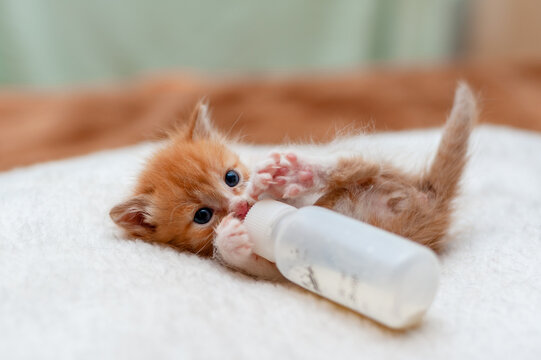
Addressing Extreme and Concerning Behaviors
While most feline behaviors are benign, some rare and disturbing actions can occur that require immediate and knowledgeable intervention. One such behavior is feline cannibalism, a topic that is distressing but important for breeders, rescuers, and multi-cat households to understand.
Understanding Feline Cannibalism: A Rare but Serious Issue
Feline cannibalism, particularly a mother cat eating her kittens, is not an act of malice but is almost always a response to extreme stress, illness, or perceived threats. It is a primal instinct driven by survival, not a common behavior in a healthy, stable environment.
Primary Causes in Mother Cats
When a queen (mother cat) engages in this behavior, it is typically triggered by one or more severe stressors.
- Stress and Fear: A mother cat in a noisy, chaotic, or unfamiliar environment may feel her kittens are in danger. In her mind, ending their lives quickly is a more humane alternative to them being discovered by a predator.
- Malnutrition or Illness: If the mother is severely malnourished or ill, she may lack the physical resources to care for her litter. Instinct may drive her to cull the litter to preserve her own strength.
- Stillborn or Unhealthy Kittens: A mother cat can often sense when a kitten is born with a fatal defect or is too weak to survive. She may consume the kitten to prevent its suffering and to keep the nest clean, which helps protect the remaining healthy kittens from predators and disease.
- Mastitis: This painful infection of the mammary glands can make nursing excruciating. The mother may reject or even kill the kittens because she associates them with intense pain.
Prevention Strategies for Breeders and Rescues
The key to preventing this behavior is creating a safe, stable, and resource-rich environment. A pregnant or nursing cat needs a secluded, quiet, and warm space away from household traffic and other pets. Ensure she has constant access to high-quality, high-calorie food and fresh water. Monitor the mother and kittens closely but from a distance to minimize interference. If any signs of illness are observed in the mother or kittens, seek veterinary care immediately.
Frequently Asked Questions (FAQ)
- Q1: How much does it really cost to own a cat per year?
- The annual cost of owning a cat can vary widely but typically ranges from $500 to over $2,000. This depends on factors like the quality of food, type of litter, local veterinary costs, and whether you have pet insurance. The first year is always the most expensive due to one-time costs like adoption and spaying/neutering.
- Q2: Can I feed my kitten adult cat food?
- No, it is not recommended to feed a kitten adult cat food. Kittens have specific, elevated nutritional requirements for growth that adult cat food does not meet. They need food with higher levels of protein, fat, calories, and certain vitamins and minerals to support healthy development. Feeding them adult food can lead to nutritional deficiencies and stunt their growth.
- Q3: Is clumping litter safe for cats?
- For most adult cats, clumping litter is perfectly safe and effective. However, it can pose a risk to very young kittens. Curious kittens may ingest the litter, and the clumping agent (sodium bentonite) can cause serious internal blockages. It is generally recommended to use non-clumping litter until a kitten is at least 3-4 months old.
- Q4: Why does my neutered male cat still howl at night?
- Even after neutering, a male cat may howl for several reasons. The most common causes are boredom, seeking attention, or habit. It can also be a sign of an underlying medical issue, such as pain, hyperthyroidism, or age-related cognitive dysfunction. Always start with a vet visit to rule out health problems, then focus on increasing evening playtime and environmental enrichment.
- Q5: What are the first things I should buy for a new cat?
- The essential items for a new cat include a sturdy cat carrier for safe transport, separate food and water bowls (ceramic or stainless steel are best), a litter box and unscented litter, high-quality kitten or cat food, a scratching post or pad to encourage appropriate scratching behavior, and a few safe, engaging toys.
Animal care note: This article is for general education and owner awareness only. It is not veterinary diagnosis, treatment, emergency guidance, nutrition planning, or professional training advice. For illness, injury, diet changes, medications, behavioral risk, or urgent symptoms, consult a licensed veterinarian or qualified animal-care professional.